Stepping into a professional kitchen or simply elevating your home cooking experience often starts with the right tools. Among them, the chef’s knife stands paramount, and for many discerning cooks, the best Damascus chef knife isn’t just a tool, it’s a statement. These stunning blades, with their mesmerizing patterns, combine ancient artistry with modern performance, promising not just cuts, but an experience. If you’re looking to upgrade your culinary arsenal, understanding what makes a Damascus chef knife truly exceptional is key.
The journey of the chef’s knife is a rich tapestry woven through culinary history, evolving from basic cutting tools to the sophisticated instruments we recognize today. While early knives were simple, functional pieces, the quest for superior sharpness, durability, and aesthetics led to remarkable innovations. One of the most legendary developments was Damascus steel. Historically, “Damascus steel” referred to Wootz steel, originating in India around 300 BCE, renowned for its incredible strength, flexibility, and razor-sharp edge. The secret to its creation was eventually lost, but modern knifemakers have revived the spirit of Damascus through pattern welding. Today, when we talk about a Damascus chef knife, we’re celebrating this modern interpretation—a layered fusion of different steels that not only creates a breathtaking visual pattern but also enhances the blade’s functional properties. This evolution has transformed the chef’s knife from a mere utility item into a work of art that performs with unparalleled grace.
Decoding the Anatomy of a Damascus Chef’s Knife: Blade and Handle
What sets the best Damascus chef knife apart isn’t just its striking appearance, but the meticulous engineering behind its construction. The blade and handle are the two primary components, each playing a crucial role in the knife’s overall performance and user experience.
The Blade: Layers of Strength and Sharpness
The magic of a Damascus blade lies in its layered composition. Modern Damascus steel is crafted by forge-welding multiple layers of varying steel alloys together. Typically, a hard, high-carbon core steel—such as VG-10, AUS-10, or 10Cr15CoMoV—forms the cutting edge, providing exceptional sharpness and edge retention. This core is then clad with numerous layers of softer stainless steel, often reaching 67 layers or more. These outer layers not only create the distinctive “water pattern” through acid etching but also add flexibility, corrosion resistance, and protection to the harder core. The hardness of a quality Damascus chef knife blade is often measured on the Rockwell scale (HRC), with values typically ranging from 60 to 62+. A higher HRC generally indicates better edge retention, though it can also mean a slightly more brittle blade if not properly crafted. The layered structure helps dissipate stress evenly, making the blade robust yet agile for diverse culinary tasks.
The Handle: Ergonomics Meets Elegance
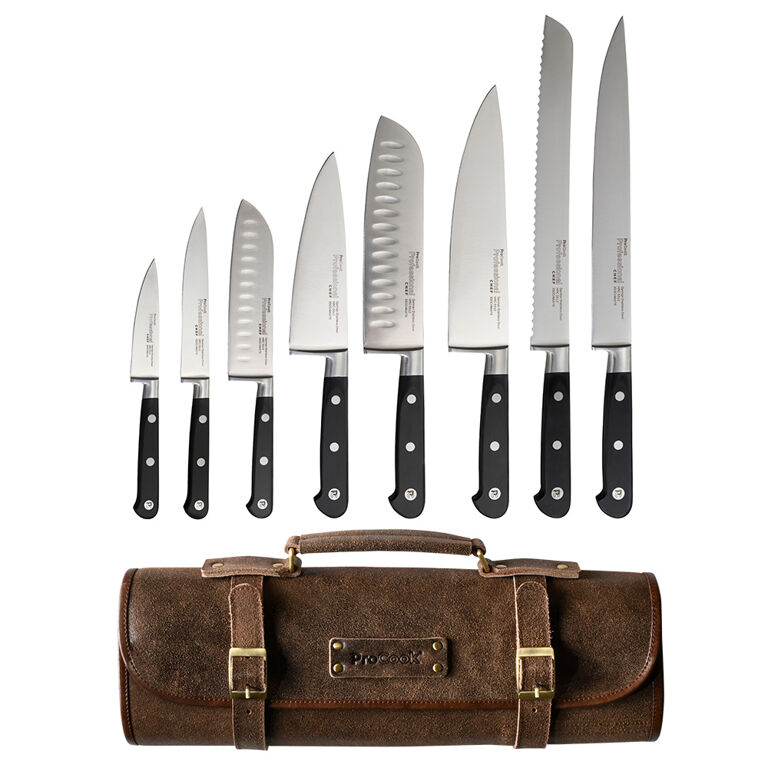
While the blade handles the cutting, the handle dictates comfort, control, and overall balance. A well-designed handle should feel like a natural extension of your hand. Common materials include:
- Pakkawood: An engineered composite of natural wood and resin, offering durability, water resistance, and a classic aesthetic.
- G10: A fiberglass-reinforced epoxy, known for its extreme durability, resistance to heat, moisture, and impact, providing a secure grip.
- Micarta: Another synthetic material crafted from linen or paper thermoset plastics, valued for its strength, stability, and comfortable, tactile feel.
- Exotic Woods: Materials like desert ironwood, olive wood, or burl maple offer unique beauty and a premium feel, though they might require more maintenance.
|
Our Picks for the Best Chefs Knife in 2026
As an Amazon Associate I earn from qualifying purchases.
|
||
| Num | Product | Action |
|---|---|---|
| 1 | HOSHANHO Kitchen Knife in Japanese High Carbon Steel, Professional High-Class Chef\'s Knife 8 inch, Non-slip Ultra Sharp Cooking Knives with Ergonomic Handle |

|
| 2 | PAUDIN Chef Knife, 8 Inch High Carbon Stainless Steel Sharp Kitchen Knife with Ergonomic Handle, Gift Box for Family & Restaurant |
|
| 3 | Matsato Chef Knife - Perfect Kitchen Knive for Cooking, Chopping. Japanese Steel Knife for Home, BBQ. For Balance & Control, 6.3 Inch |
|
| 4 | HOSHANHO 7 Inch Nakiri Knife, Japanese High Carbon Stainless Steel Chef Knife, Multipurpose Meat Vegetable Sharp Kitchen Knife with Ergonomic Pakkawood Handle |
|
| 5 | Mercer Culinary M22608 Millennia Black Handle, 8-Inch, Chef\'s Knife |
|
| 6 | Victorinox Swiss Army 5.2063.20-X14 Fibrox Chef\'s Knife Black 8 in |
|
| 7 | Shun Premier 8\" Chef\'s Knife, Handcrafted Japanese Kitchen Knife for Professional and Home Chefs, VG-MAX Core with Damascus Stainless Steel Cladding, Pakkawood Handle |
|
| 8 | imarku Japanese Chef Knife - Sharp Kitchen Knife 8 Inch Chef\'s Knives HC Steel Paring Knife, Unique Gifts for Men and Women, Gifts for Mom or Dad, Kitchen Gadgets with Gift Box, Gyutou Knives |
|
| 9 | MOSFiATA 8\" Super Sharp Professional Chef\'s Knife with Finger Guard and Knife Sharpener, German High Carbon Stainless Steel EN1.4116 with Micarta Handle and Gift Box |
|
| 10 | HENCKELS Classic Razor-Sharp 8-inch Slicing Knife, German Engineered Informed by 100+ Years of Mastery, Stainless Steel |
|
The handle’s shape, weight, and how it’s affixed (full tang, partial tang) all contribute to the knife’s balance and ergonomic comfort, which are critical for prolonged use without fatigue.
Exploring Popular Styles of Damascus Chef’s Knives
The term “chef’s knife” encompasses a broad category, and Damascus steel is used across various styles, each with its unique characteristics tailored for different culinary traditions and preferences. Understanding these can help you choose the best Damascus chef knife for your specific cooking needs.
Western-Style Chef’s Knives (Gyuto)
Often characterized by a noticeable curve along the blade, Western-style chef’s knives, particularly the Gyuto (the Japanese equivalent), are incredibly versatile. They are designed for a rocking motion, making them ideal for rapid chopping, mincing, and dicing. Their typical length ranges from 8 to 10 inches, providing ample blade real estate for most tasks. The blade tends to be thicker and heavier than purely Japanese knives, offering a robust feel and making them suitable for tougher ingredients or breaking down larger cuts of meat.
Japanese-Style Damascus Knives: Precision and Finesse
Japanese knives, while often incorporating Damascus steel, bring a different philosophy to the cutting board, prioritizing precision and thinness.
- Santoku Knife: Meaning “three virtues,” the Santoku excels at slicing, dicing, and mincing. It typically has a flatter profile than a Western chef’s knife, with a distinct “sheep’s foot” tip, encouraging a more up-and-down chopping motion. A 7-inch Santoku is a popular size, offering excellent control.
- Nakiri Knife: This vegetable knife features a straight, rectangular blade, perfect for precise, push-cutting techniques. It’s a specialist for finely slicing and dicing vegetables without the need for a rocking motion.
While the core functionality remains, the choice between Western and Japanese profiles in Damascus steel often comes down to personal cutting style and the types of ingredients you frequently work with.
Your Guide to Selecting the Perfect Damascus Chef’s Knife
Choosing the best Damascus chef knife is a personal quest. It’s about finding a tool that feels right in your hand and performs flawlessly for your culinary adventures. Here’s what to consider:
- Steel Quality is Paramount: Don’t be swayed by pattern alone. Research the core steel (e.g., VG-10, AUS-10) and the number of layers. Higher quality steel means better edge retention and durability. Look for HRC ratings of 60+ for serious performance.
- Examine the Craftsmanship: A high-quality Damascus knife will have a flawless finish, with a clear, intricate pattern. Pay attention to how the blade meets the handle—there should be no gaps or imperfections.
- Balance and Feel: Pick up the knife. Does it feel balanced in your hand? Is the weight comfortable? A well-balanced knife reduces fatigue and improves control. The handle material should offer a secure, comfortable grip, even when wet.
- Blade Length and Shape: An 8-inch chef’s knife is the most versatile for general kitchen tasks. If you tackle larger projects, a 10-inch might be better. Consider your cutting style—do you prefer a rocking motion (Western/Gyuto) or a push-cut (Santoku/Nakiri)?
- Brand Reputation and Reviews: While the visual appeal is undeniable, reliable brands with positive reviews often indicate a commitment to quality and performance. “Always look for transparent information about the steel used and the forging process,” advises Chef Antoine Dubois, a celebrated culinary expert. “A reputable maker will stand by their craftsmanship.”
- Budget: Damascus knives vary widely in price, from entry-level options around $80 to artisanal pieces exceeding $1,000. While a higher price often reflects superior craftsmanship and materials, excellent performing knives can be found at various price points. Invest what you’re comfortable with, prioritizing quality over flashy patterns.
Mastering Basic Grips and Techniques for Your Damascus Chef’s Knife
Once you’ve found the best Damascus chef knife for you, understanding how to hold and use it properly will unlock its full potential and ensure safety.
- The Pinch Grip: This is the most common and recommended grip for chef’s knives. Pinch the base of the blade between your thumb and forefinger, just in front of the bolster (the thick part where the blade meets the handle). Curl your remaining fingers around the handle. This grip offers maximum control over the blade.
- The Handle Grip: Some cooks prefer to hold the knife entirely by the handle, with all fingers wrapped around it. While this might feel more secure initially, it offers less control over the blade’s tip and can lead to more fatigue.
- Rocking Motion: Ideal for Western-style chef’s knives. Keep the tip of the blade on the cutting board and rock the blade through the food, lifting the heel. This is efficient for mincing herbs or dicing vegetables.
- Push Cut: Often used with Santoku or Nakiri knives. Lift the entire blade slightly off the board, push it forward and down through the food, then pull it back. This provides clean, precise cuts.
- Claw Grip (Guiding Hand): Always protect your non-dominant hand. Curl your fingertips inwards, creating a “claw” shape, and use your knuckles to guide the blade. This keeps your fingertips safely tucked away from the cutting edge.
Proper technique not only makes cooking more efficient but also reduces the risk of accidents. Practice makes perfect, so start with softer ingredients and gradually build your confidence.
Preserving Your Investment: Care and Maintenance for Your Damascus Chef’s Knife
A Damascus chef knife is an investment that, with proper care, can last a lifetime. Neglect, however, can quickly diminish its beauty and performance. Here’s how to keep your best Damascus chef knife in pristine condition:
- Handwash Only, No Dishwashers: This is the golden rule. Dishwashers subject knives to harsh detergents, high temperatures, and aggressive water jets, all of which can dull the edge, corrode the high-carbon steel, and permanently damage the delicate Damascus pattern. Instead, wash your knife immediately after use with warm, soapy water and a soft sponge or cloth.
- Dry Immediately and Thoroughly: After washing, dry the blade completely with a soft towel. Even small water droplets can lead to rust and water spots, especially on high-carbon steel layers.
- Oil Regularly: To protect the blade from moisture and prevent rust, especially for high-carbon Damascus, apply a thin layer of food-grade mineral oil. Gently buff the oil into the blade in the direction of the pattern. This forms a protective barrier and helps maintain the blade’s luster and pattern.
- Proper Storage is Crucial: Store your Damascus knife in a knife block, on a magnetic strip, or in a padded sheath. This protects the sharp edge from damage and prevents it from bumping against other utensils, which can dull or chip the blade. Avoid storing it loose in a drawer or in damp environments.
- Use the Right Cutting Surface: Always cut on a wooden or soft plastic cutting board. Hard surfaces like glass, ceramic, or stone will rapidly dull your knife’s edge and can even cause micro-chips.
- Regular Sharpening and Honing: Even the best Damascus chef knife will eventually lose its razor edge with use. Regularly hone your blade with a ceramic or steel honing rod to realign the edge. For true sharpening, use a quality whetstone or a professional sharpening service. The frequency depends on use, but honing before each use and sharpening every few months for regular users is a good practice.
The Enduring Benefits of a Quality Damascus Chef’s Knife
Investing in a high-quality Damascus chef knife goes far beyond simply acquiring a new kitchen tool; it’s an embrace of artistry, performance, and a heightened culinary journey. The benefits are numerous and profound:
- Exceptional Performance: The combination of hard core steel and layered outer steels results in a blade that achieves and maintains a razor-sharp edge, allowing for incredibly precise and effortless cuts. This translates to more efficient prep work and better presentation of your dishes.
- Unrivaled Durability: The layered construction of Damascus steel, with its blend of tough and flexible alloys, makes the blade remarkably resilient. It’s designed to withstand the rigors of daily kitchen use, resisting wear and maintaining its integrity over many years.
- Stunning Aesthetic Appeal: Each Damascus blade is a unique piece of art, showcasing mesmerizing patterns that are as individual as a fingerprint. This visual beauty adds a touch of sophistication and luxury to any kitchen, making cooking not just a task, but a pleasure.
- Enhanced Culinary Experience: A well-balanced, sharp, and comfortable Damascus chef knife transforms the act of cooking. Every slice, chop, and dice feels more controlled and satisfying, inspiring confidence and encouraging culinary creativity. It truly feels like an extension of your hand, making you a more effective and joyful cook.
- Longevity and Value: With proper care, a quality Damascus chef knife can become a cherished heirloom, passed down through generations. Its enduring performance and timeless beauty make it a truly worthwhile investment that pays dividends in both function and enjoyment.
Frequently Asked Questions About Damascus Chef Knives
What exactly is modern Damascus steel?
Modern Damascus steel is a layered composite steel created through a process called pattern welding. Different types of steel (typically a hard, high-carbon steel for the core and softer stainless steels for the cladding) are forge-welded, folded, and hammered together to create unique, visible patterns and enhance the blade’s performance.
Are Damascus knives purely for aesthetics, or do they offer functional benefits?
While the intricate patterns are undeniably beautiful, Damascus knives offer significant functional benefits. The layered construction provides a balance of hardness and flexibility, leading to superior edge retention, durability, and a blade that is less prone to chipping compared to a single, very hard steel.
How do I know if I’m buying a genuine Damascus chef knife?
Look for knives from reputable brands that openly disclose the types of steel used (e.g., VG-10 core with 67 layers of Damascus). The pattern should appear embedded in the steel, not just superficially etched or printed on. High-quality craftsmanship will be evident in the blade’s finish and the handle’s fit.
Is a Damascus chef knife harder to maintain than a regular stainless steel knife?
Yes, generally. Due to the high-carbon steel often used in the core, Damascus knives are more prone to rust and require more diligent care. They must be handwashed and dried immediately after use, and regularly oiled with food-grade mineral oil.
Can I sharpen my Damascus chef knife with a standard knife sharpener?
While some basic sharpeners might work, for the best Damascus chef knife, it’s highly recommended to use a whetstone or seek professional sharpening. This ensures the correct angle is maintained and protects the integrity of the delicate edge and pattern. Honing with a ceramic rod can be done regularly between sharpenings.
What’s the ideal length for a Damascus chef’s knife?
For most home cooks and professional chefs, an 8-inch Damascus chef’s knife offers the most versatility for a wide range of kitchen tasks. However, 7-inch Santokus or 10-inch chef’s knives are also popular choices depending on personal preference and the type of food preparation.
Elevate Your Culinary Journey
The best Damascus chef knife is more than just a cutting instrument; it’s a testament to centuries of metallurgical artistry and a cornerstone of modern culinary excellence. From its ancient origins as legendary Wootz steel to today’s pattern-welded masterpieces, these knives offer an unparalleled blend of strength, sharpness, and breathtaking beauty. By understanding its components, choosing the right style for your needs, and committing to its care, you’re not just buying a knife—you’re investing in an heirloom, a reliable partner that will transform your kitchen experience. Embrace the legacy, master the technique, and let a Damascus chef knife inspire your next culinary creation.