Every seasoned cook, from the bustling professional kitchen to the cozy home setup, understands the profound impact a truly great chef knife can have on their daily culinary adventures. When we talk about reliable, high-performance, and incredibly value-driven kitchen tools, one name consistently rises to the top: the Victorinox chef knife. These Swiss-made blades aren’t just cutting instruments; they are a testament to utilitarian design and unwavering functionality, offering a cutting experience that often rivals knives several times their price.
The journey of the chef knife itself is a long and storied one, evolving from rudimentary tools used for breaking down game to the sophisticated, versatile blades we wield today. Throughout this evolution, certain brands have earned their place in history by consistently delivering quality and innovation. Victorinox, a company celebrated globally for its iconic Swiss Army Knives, brought its precision engineering and commitment to excellence into the culinary world, creating chef knives that have become mainstays for countless chefs. They embody a philosophy where practical performance trumps flashy aesthetics, focusing on what truly matters when you’re preparing a meal.
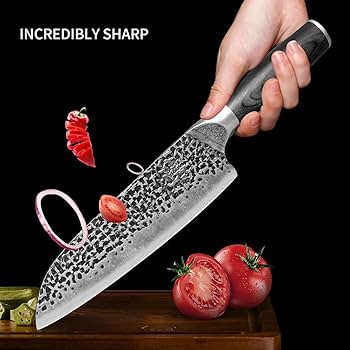
Unpacking the Anatomy: Blade and Handle Excellence
What makes a Victorinox chef knife such a standout performer? It begins with its core components: the blade and the handle.
The Blade: Precision in Every Slice
At the heart of every Victorinox chef knife is a blade crafted from high-carbon stainless steel. This particular alloy strikes a fantastic balance, offering exceptional sharpness, respectable edge retention, and impressive corrosion resistance. Unlike some pricier, hand-forged alternatives, most Victorinox chef knives feature a stamped blade. Don’t let the term “stamped” mislead you; this process contributes to a lighter knife that is incredibly agile and often sharper right out of the box.
The steel is typically hardened to around 56 on the Rockwell C scale (HRC). While some ultra-premium Japanese knives might boast higher hardness, this 56 HRC provides a sweet spot. It means the blade is hard enough to hold a keen edge but forgiving enough to be easily re-sharpened and honed at home. This balance makes the Victorinox chef knife remarkably durable and less prone to chipping compared to harder, more brittle steels. One of the oft-praised features of many Victorinox models, particularly the Fibrox Pro, is the absence of a traditional bolster that extends down to the heel of the blade. This “no bolster” design is a huge advantage, allowing you to sharpen the entire length of the blade right down to the very end, ensuring even wear over years of use and maximizing your cutting surface.
The Handle: Grip That Never Slips
The handle of a Victorinox chef knife is where its reputation for practicality truly shines, especially with the popular Fibrox Pro line. These handles are made from a thermoplastic elastomer (TPE), a synthetic material known for its excellent grip, even when wet or greasy. The textured surface provides superior control and comfort, reducing fatigue during long chopping sessions. This non-slip, ergonomic design is a primary reason why the Victorinox Fibrox Pro chef knife is the go-to choice for so many culinary professionals. It’s designed to feel good in a wide range of hand sizes, offering a secure hold that boosts confidence and safety in the kitchen.
While the Fibrox handle is the professional’s choice, Victorinox also offers the Swiss Classic line, often featuring a nylon handle. These handles are generally thinner and lighter. While still functional and offering good grip, many experienced cooks find the Fibrox Pro’s more substantial and textured handle to be superior for extended use. “The Fibrox handle might not be the prettiest, but it’s like a trusty old friend in your hand – it just feels right, especially when you’re elbow-deep in prep,” notes Chef Anya Sharma, a culinary instructor with two decades of experience.
Exploring the Popular Victorinox Chef Knife Lines
Victorinox primarily offers two highly acclaimed lines of chef knives that cater to slightly different preferences: the Fibrox Pro and the Swiss Classic.
The Victorinox Fibrox Pro: The Unsung Hero
Often hailed as the “best value chef knife on the planet,” the Victorinox Fibrox Pro chef knife is the definitive workhorse. It doesn’t win awards for aesthetic beauty, arriving in simple packaging, but its performance is legendary. This knife is designed for pure function. It consistently delivers a razor-sharp edge out of the box, maintains it well with regular honing, and is incredibly robust. Professional chefs, culinary students, and home cooks on a budget swear by its ability to perform 90% as well as knives costing four or five times more. Its lightweight design and comfortable, non-slip Fibrox handle make it a joy to use for extended periods, from dicing vegetables to breaking down larger proteins.
The Victorinox Swiss Classic: Style Meets Substance
The Victorinox Swiss Classic chef knife offers a slightly different aesthetic, often with a more vibrant range of handle colors, while still maintaining Victorinox’s commitment to quality. These knives are also incredibly sharp and perform admirably across a range of kitchen tasks. They utilize the same high-quality stainless steel blade as the Fibrox Pro. The main differentiator is typically the handle design, which, while ergonomic and slip-resistant, is generally slimmer and made from nylon. While perfectly suited for everyday home cooking, some prefer the more substantial feel and enhanced grip of the Fibrox Pro for heavier, more demanding tasks. If you prioritize a slightly more modern look or a lighter feel, the Swiss Classic Victorinox chef knife is an excellent choice.
Choosing Your Perfect Victorinox Chef Knife
Selecting the right Victorinox chef knife can feel like a big decision, but it boils down to understanding your own needs and preferences.
- Consider Your Hand Size and Comfort: If you have larger hands or anticipate long periods of use, the more substantial and highly textured Fibrox Pro handle is often preferred for its ergonomic grip and comfort. For smaller hands or lighter tasks, the Swiss Classic might feel nimble.
- Budget and Value: Both lines offer incredible value, but the Fibrox Pro is consistently lauded as an unbeatable performance-to-price ratio.
- Intended Use: For an all-around workhorse that can handle anything from delicate slicing to tough winter squashes, the 8-inch Victorinox Fibrox Pro chef knife is a common recommendation. If you’re looking for something a bit lighter and more visually appealing for general home cooking, the Swiss Classic is a fantastic option.
- Weight Preference: Victorinox knives are generally lighter than their forged German counterparts. If you prefer a lighter, more agile knife that minimizes hand fatigue, a Victorinox chef knife will be a perfect fit.
Mastering Basic Grip and Usage Techniques
Even the best Victorinox chef knife performs only as well as the hands that wield it. A proper grip is fundamental for safety, control, and efficiency. The most common and recommended grip is the “pinch grip.”
To perform a pinch grip, hold the knife by pinching the heel of the blade between your thumb and forefinger, with the remaining fingers wrapped comfortably around the handle. This grip offers superior control over the blade, allowing for precise cuts and better balance. It might feel a little unusual at first, especially if you’re used to gripping only the handle, but with practice, it becomes second nature and significantly improves your knife skills and safety with your Victorinox chef knife.
Essential Care for Your Victorinox Chef Knife
To ensure your Victorinox chef knife remains a high-performing tool for years to come, proper care and maintenance are crucial.
Cleaning Your Blade
The golden rule for cleaning any good knife, including your Victorinox chef knife, is to wash it immediately after use. Hand washing is always recommended to protect both the blade and the handle. Use warm water, mild dish soap, and a soft sponge. Acidic or salty foods can stain the blade if left on too long. While many Victorinox knives with synthetic handles are technically dishwasher-safe, it’s generally advised against for larger knives. The harsh detergents, high heat, and potential for knives to bump against other utensils in the dishwasher can dull the edge and potentially damage the handle or finish over time. Always dry your knife thoroughly with a clean cloth immediately after washing to prevent water spots and rust.
Honing and Sharpening
A sharp Victorinox chef knife is a safe Victorinox chef knife. Regular honing with a honing steel (not a sharpener!) is essential to maintain the blade’s edge between sharpenings. Honing realigns the microscopic edge of the blade, keeping it keen. Do this every few uses, or even before each use if you’re a heavy user.
When the blade no longer responds to honing and feels dull, it’s time for sharpening. Victorinox blades typically have an edge angle of 15-20 degrees per side. You can use a whetstone, a pull-through sharpener designed for this angle, or seek professional sharpening services. Maintaining the correct angle during sharpening is key to preserving the factory edge and ensuring optimal cutting performance.
Proper Storage
Storing your Victorinox chef knife correctly is vital to protect its edge and prevent accidents. Never store knives loosely in a drawer where they can rub against other utensils, damaging the blade. Ideal storage solutions include:
- Knife Blocks: A classic choice that keeps blades protected and easily accessible.
- Magnetic Knife Strips: A space-saving option that showcases your knives and keeps them off the counter.
- In-Drawer Knife Organizers: Prevents blades from touching each other while keeping them neatly tucked away.
- Blade Guards or Sheaths: Essential for protecting the edge if you store knives in a drawer or transport them.
The Undeniable Benefits of a Quality Victorinox Chef Knife
Investing in a Victorinox chef knife, particularly the renowned Fibrox Pro, offers a multitude of benefits that extend far beyond its modest price tag.
- Exceptional Value: It provides professional-grade performance without breaking the bank, making high-quality cutlery accessible to everyone.
- Reliable Performance: Known for their consistent sharpness, durability, and ease of maintenance, these knives are true workhorses you can depend on day in and day out.
- Unmatched Comfort and Safety: The ergonomic, non-slip handles provide a secure grip, enhancing control and reducing the risk of accidents.
- Versatility: Whether you’re mincing garlic, slicing delicate fish, or butchering a chicken, a Victorinox chef knife is remarkably versatile, handling a wide array of kitchen tasks with ease.
- Durability: Built to withstand the rigors of professional kitchens, these knives are incredibly tough and will last for many years with proper care.
Frequently Asked Questions About Victorinox Chef Knives
What makes Victorinox chef knives so popular?
Victorinox chef knives are popular for their exceptional blend of performance, durability, and affordability. They offer professional-grade sharpness and ergonomic handles that make them comfortable and safe to use, all at a price point that makes them accessible to both home cooks and culinary professionals.
Is the Victorinox Fibrox Pro better than the Swiss Classic?
The Victorinox Fibrox Pro is generally preferred by many professionals and serious home cooks due to its highly textured, non-slip Fibrox handle which offers superior grip and comfort, especially during extended use. The Swiss Classic is still an excellent knife with the same quality blade, but its thinner nylon handle is often considered less ergonomic for demanding tasks.
Can I put my Victorinox chef knife in the dishwasher?
While many Victorinox knives with synthetic handles are technically dishwasher-safe, it is highly recommended to hand wash your Victorinox chef knife immediately after use. Dishwashers can dull the blade, damage the handle over time due to high heat and harsh detergents, and increase the risk of the knife bumping against other items.
How often should I sharpen my Victorinox chef knife?
You should hone your Victorinox chef knife with a honing steel regularly, perhaps every few uses or even daily, to maintain its edge. Full sharpening with a whetstone or professional service is typically needed less frequently, depending on usage, perhaps every 1-3 months for a busy home cook, or when honing no longer restores its keenness.
What is the best size Victorinox chef knife?
The 8-inch Victorinox chef knife is widely considered the most versatile and popular size for general kitchen tasks. It offers a good balance of maneuverability for smaller jobs and sufficient length for larger items like roasts and bigger vegetables.
Are Victorinox knives full tang?
Most Victorinox chef knives, particularly the Fibrox Pro and Swiss Classic lines, feature a hidden or “half” tang rather than a full tang. While full tang knives are often associated with premium quality, Victorinox’s construction provides excellent balance and durability, allowing for a lighter, more agile knife without sacrificing strength.
The Unrivaled Choice for Every Kitchen
The Victorinox chef knife, whether you opt for the utilitarian Fibrox Pro or the sleek Swiss Classic, represents an outstanding investment for any kitchen. These knives cut with precision, handle with comfort, and stand up to the rigors of daily use, making them a true culinary companion. They embody the belief that a great tool doesn’t need to be ostentatious or expensive to deliver exceptional results. Embrace the efficiency, durability, and sheer cutting pleasure that a Victorinox chef knife brings to your cooking, and you’ll quickly understand why it’s celebrated globally as a true kitchen legend.
|
Our Picks for the Best Chefs Knife in 2026
As an Amazon Associate I earn from qualifying purchases.
|
||
| Num | Product | Action |
|---|---|---|
| 1 | imarku Japanese Chef Knife - Sharp Kitchen Knife 8 Inch Chef\'s Knives HC Steel Paring Knife, Unique Gifts for Men and Women, Gifts for Mom or Dad, Kitchen Gadgets with Gift Box, Gyutou Knives |

|
| 2 | Shun Premier 8\" Chef\'s Knife, Handcrafted Japanese Kitchen Knife for Professional and Home Chefs, VG-MAX Core with Damascus Stainless Steel Cladding, Pakkawood Handle |
|
| 3 | Victorinox Swiss Army 5.2063.20-X14 Fibrox Chef\'s Knife Black 8 in |
|
| 4 | MOSFiATA 8\" Super Sharp Professional Chef\'s Knife with Finger Guard and Knife Sharpener, German High Carbon Stainless Steel EN1.4116 with Micarta Handle and Gift Box |
|
| 5 | PAUDIN Chef Knife, 8 Inch High Carbon Stainless Steel Sharp Kitchen Knife with Ergonomic Handle, Gift Box for Family & Restaurant |
|
| 6 | HOSHANHO Kitchen Knife in Japanese High Carbon Steel, Professional High-Class Chef\'s Knife 8 inch, Non-slip Ultra Sharp Cooking Knives with Ergonomic Handle |
|
| 7 | HOSHANHO 7 Inch Nakiri Knife, Japanese High Carbon Stainless Steel Chef Knife, Multipurpose Meat Vegetable Sharp Kitchen Knife with Ergonomic Pakkawood Handle |
|
| 8 | Mercer Culinary M22608 Millennia Black Handle, 8-Inch, Chef\'s Knife |
|
| 9 | HENCKELS Classic Razor-Sharp 8-inch Slicing Knife, German Engineered Informed by 100+ Years of Mastery, Stainless Steel |
|
| 10 | Matsato Chef Knife - Perfect Kitchen Knive for Cooking, Chopping. Japanese Steel Knife for Home, BBQ. For Balance & Control, 6.3 Inch |
|