Every home cook and professional chef knows that a truly great meal starts long before the ingredients hit the pan. It begins with the tools in hand, and at the heart of any culinary arsenal is a high-quality chef’s knife. If you’re looking to elevate your kitchen game, understanding what made the best chef knives of 2022 stand out can guide your choice toward a blade that feels like an extension of your own hand. Forget flimsy, dull knives that make prep a chore; it’s time to find a workhorse that makes every slice, dice, and chop a joy.
A Brief History and Evolution of the Chef’s Knife
The journey of the chef’s knife is a fascinating one, evolving from simple, heavy cleavers into the sophisticated instruments we use today. For centuries, various cultures developed their own cutting tools, each reflecting their unique cooking styles and available materials. However, the modern chef’s knife as we know it largely emerged from two dominant traditions: German and Japanese.
The German tradition, exemplified by brands like Wüsthof and Zwilling J.A. Henckels, brought forth robust, heavier blades with a pronounced curve (or belly). These knives are designed for a “rocking chop” motion, making them fantastic for breaking down larger vegetables or tougher cuts of meat. Across the globe, Japanese craftsmanship gave us thinner, lighter blades with harder steel, often boasting razor-sharp edges and an emphasis on precision slicing. This distinction between the two styles remains fundamental, influencing the design, balance, and feel of even the best chef knives of 2022.
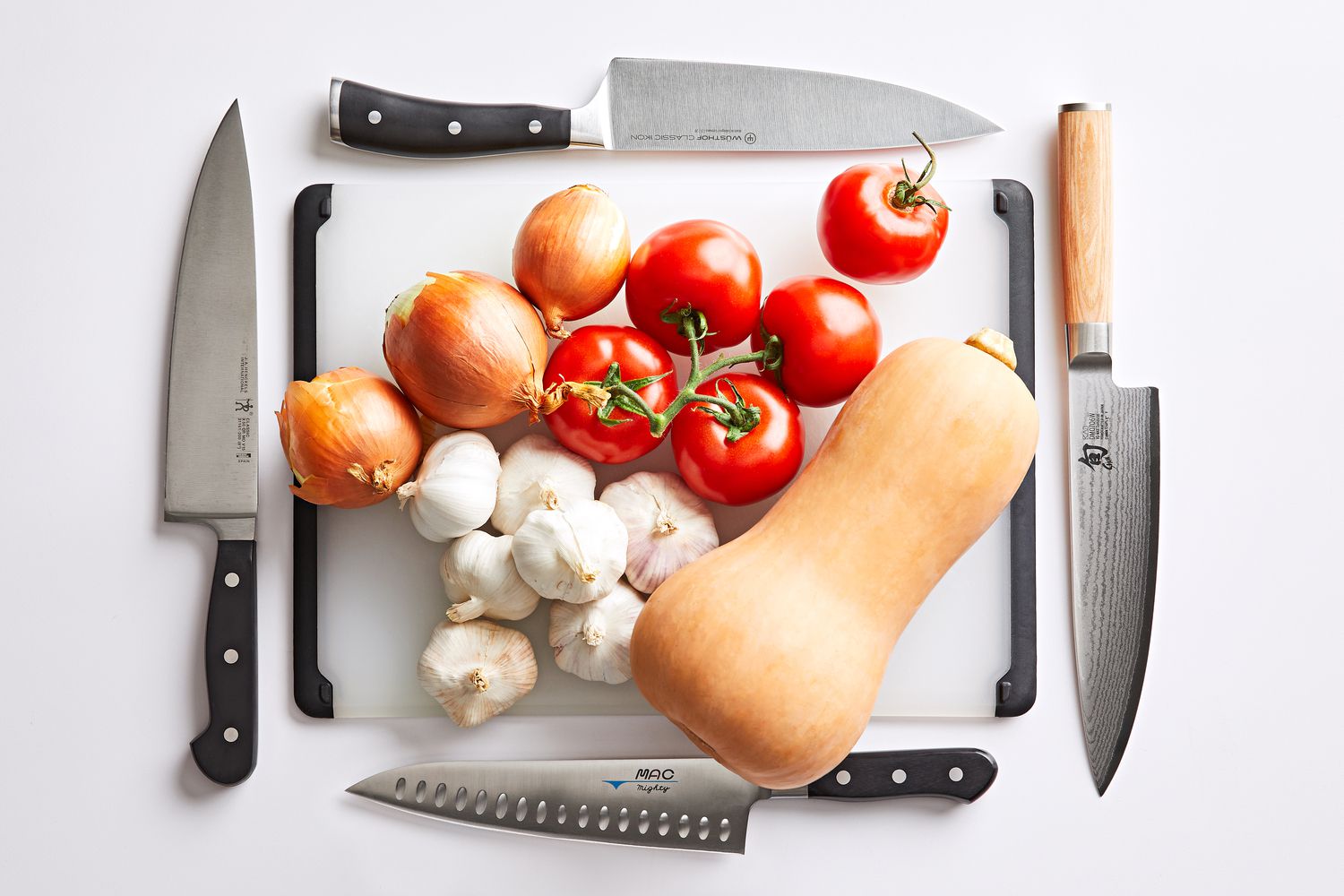
Understanding Your Blade: Key Components and Materials
Delving into what makes a chef’s knife truly great means understanding its anatomy, from the tip to the tang. The materials and construction are paramount to a knife’s performance and longevity.
Blade Materials
The material of the blade is perhaps the most crucial factor, dictating sharpness, edge retention, and durability.
- Stainless Steel: Commonly found in Western-style knives, stainless steel is forgiving and resistant to corrosion. It’s relatively softer, meaning it dulls quicker but is also easier to sharpen at home.
- High-Carbon Steel: Often associated with Japanese knives, high-carbon steel can achieve an incredibly sharp edge and holds it for longer. The trade-off is that it’s more brittle and susceptible to chipping, and requires meticulous care to prevent rust. Many Japanese-style knives in 2022 blend high-carbon properties with stainless steel benefits.
- Damascus Steel: This isn’t a type of steel but rather a pattern created by folding and forging multiple layers of different steels. Beyond its stunning aesthetic, Damascus cladding can add strength and help food release from the blade, as seen in the beautiful Shun Classic chef’s knife.
- Proprietary Alloys: Brands often develop their own steel compositions. For instance, Shun uses VG-MAX, a high-carbon alloy enriched with elements like chromium, tungsten, molybdenum, and vanadium for enhanced strength, corrosion resistance, and superior edge retention. Global knives are known for their Cromova 18 stainless steel, which also incorporates molybdenum and vanadium for sharpness and durability.
- Ceramic: A distinct option, ceramic blades are exceptionally lightweight and maintain a super-sharp edge. They’re immune to acids, salts, and oils, and won’t rust. However, they are brittle and prone to shattering if dropped, requiring special tools or professional services for sharpening.
Handle Materials
A comfortable and secure grip is vital for safety and control. Common handle materials include:
- Pakkawood: A resin-impregnated wood laminate, Pakkawood offers the beauty of wood with superior durability and water resistance. It’s often shaped for ergonomic comfort, such as the D-shaped handle found on some Shun knives.
- Polymer/Synthetic: Durable, non-slip, and hygienic, these handles are common on many Western-style and value-oriented knives, providing excellent grip even when wet. The Wüsthof Classic, for example, features a comfortable polymer handle.
- All-Metal: Knives like the Global Classic feature a seamless, all-metal construction, often with dimpled textures for grip. This design eliminates crevices where food can accumulate, making cleaning a breeze.
The Bolster and Tang
The bolster is the thick collar at the junction of the blade and handle. It adds weight for balance and acts as a finger guard. A full bolster is common in German knives. The tang refers to the part of the blade that extends into the handle. A full tang, where the blade material runs the entire length of the handle, provides superior balance, strength, and durability.
German vs. Japanese: Popular Styles of Chef’s Knives
The perennial debate between German and Japanese chef’s knives boils down to philosophy and technique. Both offer excellent options, including many of the best chef knives of 2022.
German-Style Knives
- Characteristics: These are generally heavier with a thicker spine and a more pronounced curve to the blade, known as a “belly.” They typically feature a double-bevel edge sharpened to a wider angle (around 20-22 degrees per side).
- Cutting Style: Best suited for a “rocking chop” motion, making them ideal for tasks like mincing herbs, dicing onions, and robust chopping. Their heft can assist in cutting through tough vegetables like butternut squash.
- Recommended Knives: The Wüsthof Classic 8-Inch Chef’s Knife continues to be a top recommendation, lauded for its power, sharpness, and ability to handle challenging tasks with confidence. Serious Eats calls it the “epitome of a Western-style blade.” The Zwilling J.A. Henckels Professional S is another classic, known for its solid construction and familiar weight.
Japanese-Style Knives
- Characteristics: Japanese knives tend to be lighter, thinner, and often have a straighter blade profile. They are typically made from harder steel, allowing for a sharper, more acute edge (10-15 degrees per side). Many feature single-bevel or asymmetric bevels for extreme sharpness, though dual-bevel options are also common.
- Cutting Style: Excelling at precise “push cuts” and “slicing” motions, Japanese knives are superb for delicate tasks, fine mincing, and achieving ultra-thin slices. Their lightness contributes to maneuverability and reduces fatigue.
- Recommended Knives:
- MAC Professional 8 Inch Hollow Edge Chef’s Knife: Often cited as a top Japanese-style pick, praised for its extreme sharpness, lightweight design, and hollow edge that helps prevent food from sticking.
- Shun Classic 8-Inch Chef’s Knife: Celebrated for its stunning Damascus steel, VG-MAX core, and super-sharp edge, it’s a favorite among experienced home cooks.
- Global 8-Inch Classic Japanese Chef’s Knife: Its distinctive all-metal design, lightweight feel, and razor-sharp Cromova 18 steel blade make it a standout for precision and easy cleaning.
- Tojiro DP Damascus 8.25-inch Chef’s Knife: Offers a good blend of Western heft with Japanese sleekness, praised for its precise cuts.
- Misono 8.2-Inch Molybdenum Gyuto: A great budget-friendly Japanese option, known for its keen edge and nimble feel.
- Material 8-Inch Knife: A popular mid-range option with a high-carbon Japanese stainless steel blade, known for its balance and sharpness right out of the box.
- Misen 8-Inch Chef’s Knife: Often recommended as one of the best chef knives for beginners due to its great value, sustained sharpness, and precise cutting ability.
Choosing Your Culinary Partner: A Guide to Selecting the Right Chef’s Knife
Selecting the perfect chef’s knife is a personal journey, much like finding a trusted companion. Here’s what to consider to ensure you pick one of the best chef knives of 2022 that perfectly fits your hand and your cooking style:
- Size and Blade Length: Chef’s knives typically range from 6 to 10 inches. An 8-inch blade is often considered the “sweet spot” for versatility, offering enough length for large items while remaining maneuverable for finer tasks. Smaller blades might suit those with smaller hands or limited counter space.
- Balance and Weight: Pick up the knife and feel its weight distribution. Some prefer a heavier knife, feeling the “gravitational pull” aids in downward cuts. Others, like myself, lean towards lighter blades for enhanced precision and control, especially during long prep sessions. The ideal weight often hovers around 7-8 ounces for many users. An unbalanced knife can lead to wrist fatigue.
- Handle Comfort and Grip: This is paramount for safety and comfort. Look for a handle that feels secure and comfortable in your hand, even when wet. Materials like Pakkawood or textured polymers offer excellent grip.
- Sharpness and Edge Retention: A good chef’s knife should be razor-sharp right out of the box. More importantly, it should maintain that edge through repeated use. Harder steels generally hold an edge longer, but softer steels are easier to resharpen.
- Blade Shape: Consider your primary cutting style. A more curved blade (Western-style) is excellent for a rocking motion, while a straighter profile (Japanese-style) excels at precise slicing.
“Finding the right chef’s knife is like choosing a dance partner; it needs to feel like an extension of your arm, perfectly balanced and ready for any culinary move.” – Chef Antoine Dubois, Le Cordon Bleu Alumnus.
Unleashing Precision: Basic Techniques for Holding and Using Your Chef’s Knife
Even the best chef knives of 2022 won’t perform optimally without proper technique. The right grip is fundamental for control, precision, and safety.
- The Essential “Pinch Grip”: This is the gold standard for control. Your thumb and forefinger should “pinch” the base of the blade, just in front of the bolster. The remaining three fingers then wrap around the handle. This grip gives you maximum leverage over the blade, allowing for delicate precision or powerful chops.
- Rocking Chop vs. Push Cut: With a German-style knife, the curved belly facilitates a rocking motion, where the tip remains on the cutting board while you move the blade up and down in an arc. Japanese knives, with their flatter profiles, are better suited for a push or slicing motion, lifting the blade slightly between cuts.
- Safety First: Always keep your non-cutting hand curled into a “claw” shape, protecting your fingertips. Move slowly and deliberately until the motions become second nature. A sharp knife is safer than a dull one, as it requires less force, reducing the chance of slipping.
Beyond the Cut: Care, Cleaning, and Sharpening Tips
Even the most revered of the best chef knives of 2022 will lose their luster and sharpness without proper care. Think of it as nurturing a valued friendship; a little effort goes a long way.
- Hand-washing and Drying: This cannot be stressed enough. Always hand-wash your chef’s knife immediately after use with warm, soapy water and dry it thoroughly. Dishwashers are anathema to good knives; the harsh detergents, high heat, and jostling can dull the edge, corrode the blade, and damage the handle.
- Honing vs. Sharpening: These terms are often confused, but they’re distinct.
- Honing: Regularly using a honing steel (or ceramic rod) realigns the microscopic edge of your blade, which bends and rolls over with use. This should be done frequently, perhaps every few uses, to maintain sharpness between actual sharpenings.
- Sharpening: This actually removes a tiny amount of metal from the blade to create a new, fresh edge. For the best results, especially with more expensive knives, whetstones offer a gentle and precise method, though they require a bit of practice to master. Electric sharpeners are easier but can be aggressive, removing more metal. Serious Eats advises caution with pull-through manual sharpeners, as they can be detrimental to the blade over time.
- Ceramic Knife Care: As mentioned, ceramic knives are extremely hard but brittle. They cannot be honed and require specialized diamond sharpeners or professional resharpening services (some manufacturers offer this). Avoid dropping them or twisting them, which can cause chipping or shattering.
Investment in Excellence: The Benefits of a Quality Chef’s Knife
While investing in one of the best chef knives of 2022 might seem like a splurge, the benefits far outweigh the initial cost.
- Enhanced Safety: A truly sharp knife requires less pressure to cut, drastically reducing the risk of slips and accidents.
- Increased Efficiency: Meal prep becomes faster and more enjoyable when your knife glides effortlessly through ingredients, saving you valuable time and effort in the kitchen.
- Superior Precision: Achieve cleaner, more consistent cuts, whether you’re mincing garlic, slicing tomatoes paper-thin, or dicing onions with professional accuracy.
- Durability and Longevity: High-quality materials and expert craftsmanship mean your knife will withstand years of heavy use, often becoming a cherished family heirloom.
- Elevating Your Cooking Experience: There’s an undeniable satisfaction that comes from working with a finely crafted tool. A top-tier chef’s knife transforms cooking from a chore into an art form, making every culinary endeavor more rewarding.
Frequently Asked Questions (FAQ)
What’s the ideal blade length for a chef’s knife?
While chef’s knives range from 6 to 12 inches, an 8-inch blade is often considered the most versatile and ideal length for most home cooks, offering a balance of control and cutting power for a wide array of tasks.
How often should I sharpen my chef’s knife?
You should hone your knife with a honing steel frequently, perhaps every few uses, to realign the edge. Actual sharpening, which creates a new edge, depends on usage but might be needed every few months to once a year for regular home use.
Can I put my chef’s knife in the dishwasher?
No, it’s strongly recommended to always hand-wash and immediately dry your chef’s knife. Dishwashers can dull the blade, damage the handle, and cause corrosion.
What’s the difference between a chef’s knife and a santoku?
Both are versatile kitchen workhorses. A chef’s knife typically has a curved blade suited for a rocking motion, while a santoku (Japanese-style) often has a flatter profile for more precise, straight-down or slicing cuts. It’s not necessary to own both, but some prefer the lighter feel of a santoku.
Are ceramic chef’s knives good?
Ceramic knives are excellent for their extreme sharpness, lightweight design, and resistance to rust and acids. However, they are more fragile and prone to chipping or breaking if dropped, and require special sharpening tools.
Conclusion
Choosing the best chef knives of 2022 was about finding tools that offered exceptional performance, comfort, and durability. Whether you lean towards the robust power of a German-style Wüsthof or the agile precision of a Japanese MAC or Shun, investing in a high-quality chef’s knife is one of the most impactful decisions you can make for your kitchen. It’s more than just a tool; it’s an indispensable partner that will inspire confidence, enhance your skills, and make every moment spent cooking a true pleasure. So, go ahead, explore the options, find the blade that truly speaks to you, and transform your culinary journey!