Stepping into the world of Japanese knives is like discovering a new dimension of culinary precision and artistry. Forget the struggles with dull, inefficient blades; a quality Japanese knife set can transform your cooking experience, making every slice, dice, and chop feel effortless and almost meditative. These aren’t just tools; they’re a testament to centuries of refined craftsmanship, offering unparalleled sharpness and balance that can truly elevate your kitchen game.
But with so many options out there, how do you navigate the landscape to find the Best Japanese Knives Set for your needs? This guide will cut through the clutter, exploring everything from the unique history and materials to the essential knives you’ll want in your collection, along with crucial care tips to keep them performing at their peak.
The Enduring Legacy of Japanese Knife Craftsmanship
The story of Japanese kitchen knives is deeply intertwined with the legendary samurai swords, known as katanas. The same meticulous forging techniques, passed down through generations of master blacksmiths, were adapted to create blades for the kitchen. This heritage means that a traditional Japanese kitchen knife is not merely stamped from a sheet of metal; it’s a piece of art, individually crafted with a dedication to perfection that few other knife-making traditions can rival. This deep history ensures that even today, many Japanese knives are still made with an incredible level of detail and care.
What Makes Japanese Knives Truly Special?
Japanese knives stand out from their Western counterparts in several key ways:
- Exceptional Sharpness and Precision: Japanese blades are typically thinner and honed to a much finer angle, often between 10 to 15 degrees, compared to the wider angles of Western knives (around 20 degrees). This results in a razor-sharp edge that glides through ingredients with minimal effort, allowing for incredibly precise cuts.
- Superior Steel Quality: While many Western knives prioritize toughness and stain resistance, Japanese knives often utilize harder, high-carbon steel. This allows for superior edge retention, meaning your knives stay sharper for longer periods between sharpening.
- Lightweight and Balanced Design: Generally lighter than Western knives, Japanese blades offer enhanced control and reduce hand fatigue, making extended prep tasks a breeze. Their balance is often meticulously crafted, making them feel like a natural extension of your hand.
- Specialized Blade Geometries: The Japanese knife tradition boasts a vast array of blade shapes, each designed for a specific culinary task, from delicate fish filleting to precise vegetable chopping. While some Western knives are multi-purpose, Japanese knives excel in specialization.
Essential Components: Blade and Handle
Understanding the key elements of a Japanese knife will help you appreciate its design and choose wisely.
The Heart of the Blade: Steel Types
The type of steel is paramount to a Japanese knife’s performance and maintenance. You’ll primarily encounter two categories:
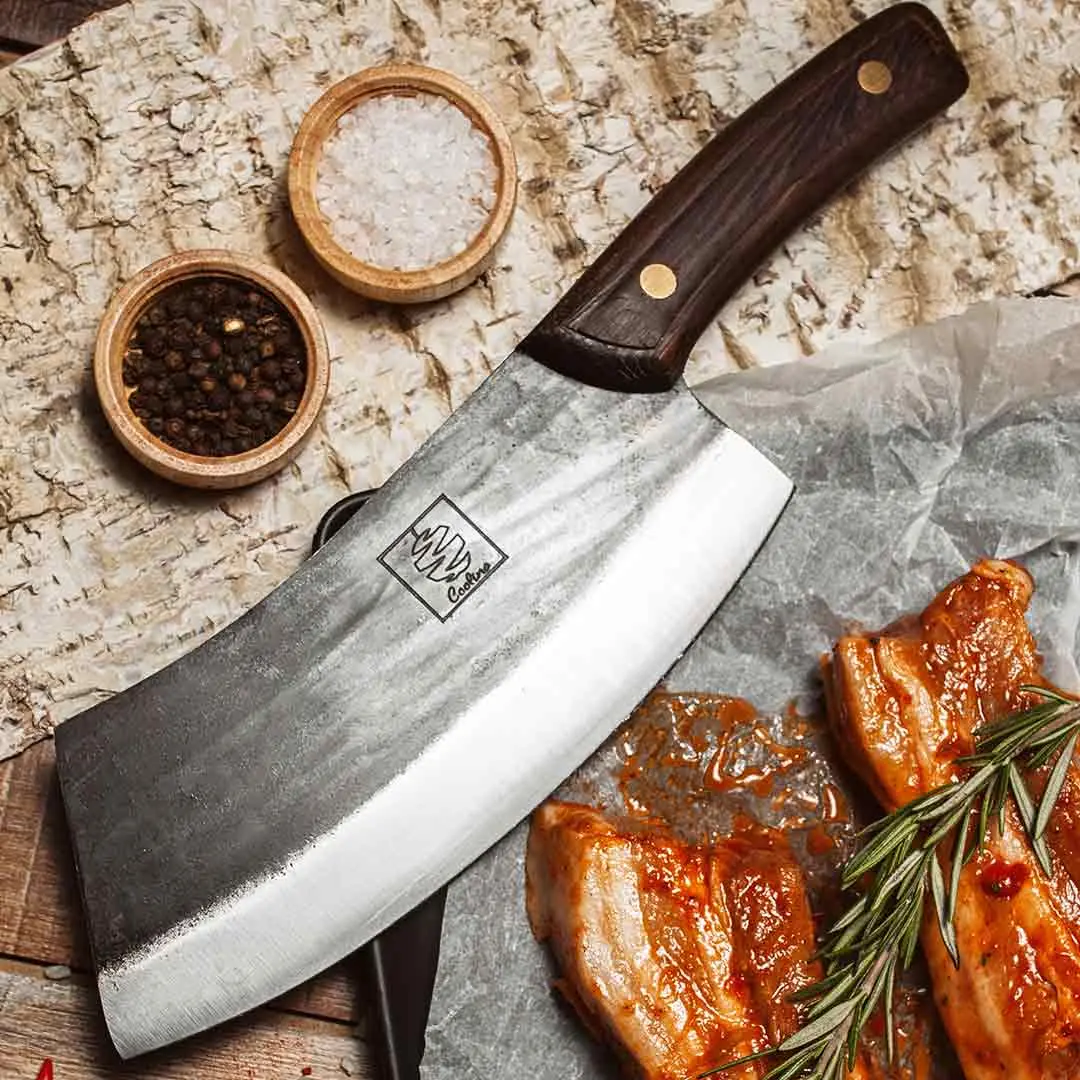
- Carbon Steel: These are the traditional choice, known for their exceptional hardness (often 60+ HRC on the Rockwell scale) and ability to take an incredibly sharp edge. Popular carbon steels include Shirogami (White Steel #1, #2) and Aogami (Blue Steel #1, #2, and Aogami Super). While they offer superior sharpness and are easier to resharpen, carbon steel knives require meticulous care to prevent rust and will develop a unique patina over time.
- Stainless Steel: Offering greater rust resistance and easier maintenance, stainless Japanese knives are often made from alloys like VG-10, AUS-10, Ginsan (Silver Steel), and R2/SG2 powder steel. VG-10, for example, is a popular choice known for its balance of hardness, toughness, and edge retention. Damascus steel, characterized by its beautiful layered pattern, often encases a high-carbon or premium stainless steel core, combining aesthetics with performance.
The Grip That Matters: Handle Materials
Japanese knife handles come in two main styles:
- Wa-handle (Traditional Japanese): These are typically made from wood (such as magnolia, pakkawood, or rosewood) and come in various shapes like octagonal, D-shaped, or oval. They are prized for their lightweight feel and comfortable, natural grip.
- Yo-handle (Western Style): These resemble Western knife handles, often made from pakkawood, composite materials, or resin. They are designed for a familiar grip and are generally more durable and less prone to moisture damage than natural wood.
Popular Japanese Knife Types for Your Set
While a sushi chef might own a dozen highly specialized blades, a well-chosen Japanese knife set for a home cook typically focuses on a few versatile staples. Here are some of the most common and valuable types:
- Gyuto (Chef’s Knife): This is the Japanese equivalent of a Western chef’s knife, an all-purpose workhorse perfect for slicing, dicing, chopping, and mincing meat, fish, and vegetables. It features a curved blade for a rocking motion.
- Santoku (Three Virtues Knife): Meaning “three virtues” (meat, fish, and vegetables), the Santoku is another versatile, all-purpose knife. It’s typically shorter than a Gyuto, with a flatter blade profile and a “sheep’s foot” tip, excellent for chopping and push-cutting. Many Santoku knives feature a Granton edge (hollow-ground indentations) to prevent food from sticking.
- Nakiri (Vegetable Knife): With its distinctive rectangular, thin, and flat blade, the Nakiri is specifically designed for efficient vegetable preparation. Its straight edge allows for full-contact push-cutting, ensuring no fibrous strands remain uncut.
- Petty Knife (Utility Knife): Similar to a Western paring knife, a Petty knife is a smaller, versatile blade ideal for intricate tasks like peeling fruits and vegetables, trimming, and other delicate prep work.
- Sujihiki (Slicer): This long, thin blade with a pointed tip is perfect for slicing cooked meats, roasts, and fish with clean, smooth cuts.
- Deba (Filleting Knife): A thick, heavy, and robust blade designed for breaking down whole fish and poultry, handling bones with ease.
Building Your Best Japanese Knives Set: A Buyer’s Guide
Choosing the ideal Japanese knives set requires a bit of thought, but it’s an investment that pays dividends in your kitchen.
Assess Your Cooking Style and Needs
Are you a home cook who mostly preps vegetables and occasional proteins? A Santoku or Gyuto might be your primary knife. Do you frequently break down whole chickens or fish? A Deba could be a valuable addition. Many excellent sets will include a combination of these versatile knives. For instance, a 3-piece set often includes a Gyuto (or Santoku), a Nakiri, and a Petty knife, offering a solid foundation for most culinary tasks.
Prioritize Steel Type and Edge Retention
Consider the steel based on your willingness to maintain the knives. If you prefer minimal upkeep, a high-quality stainless steel like VG-10 or AUS-10 is a great choice. If you’re willing to commit to regular drying and oiling for an even sharper edge, carbon steel is an exceptional option. Look for a Rockwell hardness (HRC) of 60-63 for optimal edge retention in Japanese knives.
Evaluate Handle Comfort and Balance
A knife should feel natural and balanced in your hand. Test different handle shapes and materials if possible. Pakkawood handles are popular for their durability and comfortable grip, while traditional wooden handles offer a classic aesthetic and lighter feel. The overall balance should prevent arm fatigue, especially during prolonged use.
Consider Reputable Brands
Several Japanese brands have earned global acclaim for their quality and craftsmanship. Brands like Shun, Miyabi, Tojiro, Global, Satake, and Yoshida Hamono are frequently recommended and known for producing excellent knife sets. For example, the Shun Classic 7-Piece Knife Block Set is renowned for its Damascus stainless steel and VG-MAX core, while Global’s Ikasu sets are praised for their lightweight, seamless design. For those seeking professional performance without a premium price tag, brands like Tojiro often offer outstanding quality.
Master the Art: Essential Usage Techniques
Once you have your Japanese knife set, learning how to use it properly will maximize its performance and longevity.
- Cutting Motions: Unlike the “rocking” motion often used with Western chef’s knives, many Japanese knives, particularly the Santoku and Nakiri, excel with a “push-cut” or “slice-and-pull” motion. Their thin, sharp blades are designed to glide straight through ingredients.
- Pinch Grip: For most precise cutting, a pinch grip (where your thumb and index finger pinch the base of the blade, just in front of the handle) provides superior control and stability.
- Cutting Surfaces: Always use a soft cutting board. Wooden end-grain boards (like maple, walnut, or cherry) or Hinoki (Japanese Cypress) are ideal. Soft rubberized boards are also excellent. Absolutely avoid hard surfaces like glass, ceramic, marble, or cheap bamboo, as these will quickly dull or even chip your delicate Japanese blades.
Keeping Them Pristine: Care and Maintenance Tips
Japanese knives are an investment, and proper care is crucial for maintaining their legendary sharpness and preventing damage.
- Hand Wash Immediately: After every use, hand wash your knives with mild dish soap and warm water. Do not let food residues dry on the blade, as acidic foods can cause discoloration or even corrosion.
- Dry Thoroughly and Immediately: This is the golden rule, especially for carbon steel knives. Even “stainless” steel can develop rust spots if left wet. Use a soft cloth to dry the entire blade and handle completely.
- NEVER Use a Dishwasher: The harsh detergents, high heat, and jostling inside a dishwasher are highly detrimental to Japanese knives. It can dull the edge, damage handles, and cause corrosion, often voiding warranties.
- Proper Storage: Store your knives safely to protect their edges and prevent accidents. Knife blocks, magnetic strips, in-drawer knife organizers, or blade guards (saya) are excellent options. Avoid tossing them in a “junk drawer” where blades can collide with other utensils.
- Regular Sharpening with Whetstones: While Japanese knives hold their edge remarkably well, they will eventually need sharpening. Whetstones (water stones) are the recommended method for achieving and maintaining their fine, precise angles. Learning to use a whetstone is a skill that will greatly extend the life and performance of your knives. For beginners, a combination whetstone (e.g., 1000 grit for sharpening, 6000 grit for polishing) is a good starting point. Avoid pull-through sharpeners or electric grinders, as these can remove too much metal and damage the fine edge.
- Oil Carbon Steel Blades: For carbon steel knives, a thin layer of food-safe mineral oil or camellia oil (tsubaki abura) should be applied occasionally to prevent rust, especially if storing for longer periods.
The Undeniable Benefits of a Quality Japanese Knife Set
Investing in a high-quality Japanese knives set is more than just buying kitchen tools; it’s about investing in a superior culinary experience.
“A truly great Japanese knife feels like an extension of your hand,” says Chef Hiroshi Tanaka, a renowned Japanese cuisine expert. “The precision, the balance, the sheer joy of a clean cut – it changes everything. It’s not just about cutting faster; it’s about cutting better, preserving the integrity of your ingredients, and finding pleasure in the process.”
The benefits are clear: reduced fatigue during prep, consistently beautiful cuts that enhance food presentation, and the sheer satisfaction of working with tools crafted with centuries of expertise. A well-maintained Japanese knife set can last a lifetime, becoming a cherished part of your culinary journey.
Frequently Asked Questions (FAQ)
1. Are Japanese knives better than German knives?
Japanese knives are renowned for their exceptional sharpness, precision, and thinner blades, ideal for delicate and fine cuts. German knives are generally heavier, more robust, and designed for power and durability, making them excellent for tasks like butchering. Neither is inherently “better”; it depends on your preferred cutting style and culinary tasks.
2. What’s the best Japanese knife set for beginners?
For beginners, a set including a versatile Gyuto or Santoku (for general tasks) and a Petty knife (for smaller work) is an excellent starting point. Look for sets made from quality stainless steel (like VG-10) for easier maintenance while you learn proper knife care.
3. How often should I sharpen my Japanese knives?
The frequency depends on usage. For regular home cooks, sharpening every 2-3 months with a whetstone is a good baseline. Professional chefs or those who cook extensively might sharpen more frequently. Regular honing with a ceramic rod can help maintain the edge between full sharpening sessions.
4. Can I put my Japanese knives in the dishwasher?
Absolutely not. Dishwashers expose knives to harsh detergents, high temperatures, and vigorous movements that can dull the blade, damage handles, and cause corrosion, even on stainless steel. Always hand wash and dry your Japanese knives immediately.
5. What’s the difference between carbon steel and stainless steel Japanese knives?
Carbon steel knives offer superior sharpness and edge retention but are prone to rust and require more diligent maintenance (immediate drying, occasional oiling). Stainless steel knives are more resistant to rust and easier to care for, though they might not achieve the absolute sharpness of high-carbon steel.
Conclusion
Embracing a best Japanese knives set is an investment in culinary excellence. From the rich history rooted in samurai swords to the meticulous craftsmanship and specialized designs, these knives offer an experience far beyond mere utility. By understanding the different blade types, steel compositions, and the vital role of proper care, you can select a set that perfectly complements your cooking style and becomes a cornerstone of your kitchen. Treat your Japanese knives with the respect they deserve, and they will reward you with years of unparalleled precision, efficiency, and pure joy in every culinary creation.