Ever feel like your cooking journey is held back by dull tools? You’re not alone. The truth is, an exceptional meal often begins with the humble kitchen knife. It’s not just a utensil; it’s an extension of your hand, a partner in your culinary dance. But with a bewildering array of choices out there, how do you discover the Best Kitchen Knives that will transform your daily cooking from a chore into a joy? Let’s cut through the confusion and find the perfect blades for your kitchen.
1. The Indispensable Heart of Your Kitchen: The Chef’s Knife and Its Companions
Every great kitchen arsenal has its workhorse, and for most home cooks and professional chefs alike, that’s the chef’s knife. But it’s far from the only player on the team. Understanding the roles of various blades is the first step to building your ultimate collection of best kitchen knives.
What Exactly is a Chef’s Knife?
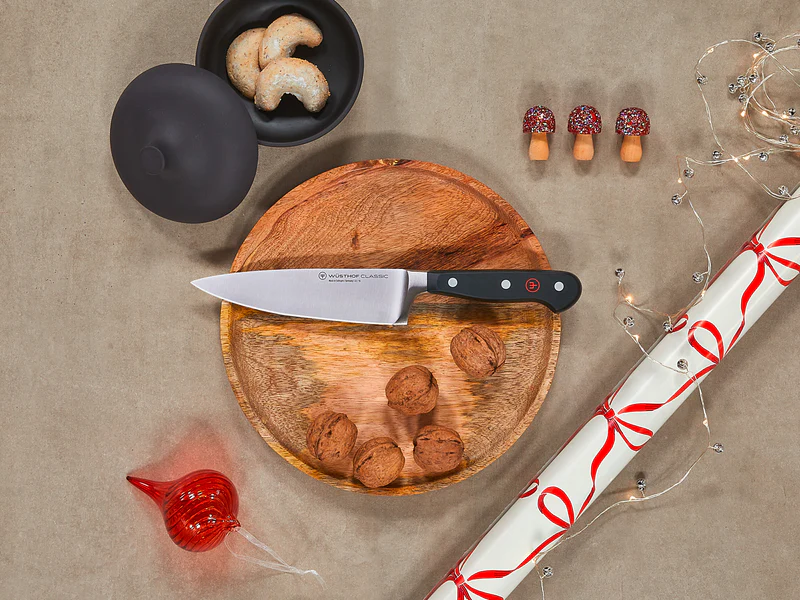
Think of the chef’s knife as your go-to all-rounder. Typically ranging from 6 to 12 inches, with an 8-inch blade often considered the sweet spot for most hands and tasks, this versatile tool excels at chopping, slicing, dicing, and mincing a wide array of ingredients. Its broad, tapered blade and curved profile are designed for the classic “rocking” motion beloved by many cooks. “An 8-inch chef’s knife is like the trusty best friend of the kitchen,” notes Chef Anya Sharma, a culinary instructor with two decades of experience. “It handles almost anything you throw at it, from a delicate herb mince to a hefty butternut squash.”
A Brief History and Evolution
From rudimentary flint tools used by early humans to break down game, knives have been central to food preparation for millennia. Over centuries, these tools evolved, influenced by regional cooking styles and technological advancements. The modern chef’s knife, as we know it, emerged from a blend of European butchery knives and Japanese culinary precision, culminating in the versatile designs we see today. The quest for sharper, more durable, and more comfortable blades has always driven innovation.
Beyond the Chef’s Knife: Other Essential Kitchen Knives
While a chef’s knife is paramount, a few other specialized blades can truly elevate your efficiency and precision, making them contenders for the best kitchen knives for specific tasks:
- Paring Knife: This small, nimble knife, usually 3 to 4 inches long, is your best friend for delicate tasks. Peeling fruits, trimming vegetables, segmenting citrus, or mincing garlic with precision are where it shines. Its short blade offers maximum control.
- Utility Knife: Sitting comfortably between a paring knife and a chef’s knife (typically 5-7 inches), the utility knife is ideal for tasks too big for a paring knife but too small for a chef’s knife. Think slicing bagels, trimming smaller cuts of meat, or preparing sandwiches.
- Bread Knife: With its distinct serrated edge, a bread knife (often 7-10 inches) effortlessly glides through crusty loaves without squashing the soft interior. It’s also surprisingly effective on delicate items like tomatoes or soft pastries.
- Santoku Knife: Hailing from Japan, the Santoku (meaning “three virtues” – slicing, dicing, mincing) is another excellent all-purpose knife. It typically features a flatter blade profile than a Western chef’s knife, making it superb for up-and-down chopping motions, often with a “Grantons edge” (dimples) to prevent food from sticking.
- Boning and Fillet Knives: These specialized blades feature thin, flexible blades designed to separate meat from bone (boning knife) and to precisely fillet fish (fillet knife), minimizing waste.
- Cleaver & Nakiri: A heavy, broad-bladed cleaver is for serious tasks like chopping through bone or tough root vegetables. The Nakiri, another Japanese vegetable knife, boasts a thin, rectangular, flat blade, optimized for precise, straight cuts through vegetables.
2. Anatomy of Excellence: Understanding Knife Components and Materials
What makes some of the best kitchen knives stand out from the rest? It often comes down to the quality of their components and the materials used.
The Blade: Heart of the Cut
The blade is where the magic happens, and its material and construction dictate much of a knife’s performance and longevity.
- Materials Matter:
- High-Carbon Stainless Steel: Many consider this the ideal material for best kitchen knives. It combines the sharpness and edge retention of carbon steel with the corrosion resistance of stainless steel. It’s robust, flexible, and holds an edge beautifully.
- Stainless Steel: The most common and affordable choice, stainless steel is highly resistant to rust and corrosion, making it low maintenance. While it may not achieve the razor-sharp edge of carbon steel, modern stainless steel alloys hold their edge much better than older versions and are easier to sharpen.
- Carbon Steel: Prized by traditionalists and professional chefs for its ability to take and hold an incredibly sharp edge, carbon steel is strong and durable. However, it’s prone to rust, discoloration (patina), and requires diligent care and immediate drying after use. “Carbon steel is a commitment,” says Chef Anya Sharma. “But the reward is a cutting experience that’s truly unmatched.”
- Ceramic: These knives are incredibly sharp and retain their edge for a very long time. They are also lightweight and non-reactive. The main drawback is their brittleness; they can chip or shatter if dropped or used on hard surfaces.
- Construction: Forged vs. Stamped Blades:
- Forged Knives: Made from a single bar of steel heated and hammered into shape, forged knives are generally heavier, more durable, and better balanced. They typically feature a full tang (the blade material extends through the entire handle) and a bolster (the thick part between the blade and handle) for balance and hand protection. Most high-quality best kitchen knives are forged.
- Stamped Knives: These are cut from a large sheet of steel, then ground and sharpened. They are lighter, often more flexible, and generally more affordable. While some excellent stamped knives exist, they usually lack the heft and balance of their forged counterparts.
- Edge Type: Beyond the standard straight edge, you’ll find serrated edges (like on bread knives) and hollow-ground or Granton edges (with indentations to reduce sticking), each designed for specific cutting tasks.
The Handle: Your Connection to the Blade
A knife’s handle is crucial for comfort, control, and safety.
- Materials: Handles come in various materials, including natural wood (beautiful but requires maintenance), synthetic materials like G10 or Pakkawood (durable, water-resistant, often ergonomic), and high-quality plastics or composites.
- Ergonomics and Comfort: The best kitchen knives will feel comfortable and secure in your hand, even when wet. It should provide a firm, confident grip without causing fatigue during prolonged use. The handle’s shape and texture are paramount here.
- The Bolster and Tang: As mentioned, the bolster provides a transition from blade to handle, protecting your fingers and adding balance. A full tang ensures durability and a well-balanced feel, making the knife feel sturdy and reliable.
3. Choosing Your Culinary Companion: How to Select the Best Kitchen Knives
Choosing the best kitchen knives is a personal journey. What feels right for one cook might not for another. Here’s how to navigate the choices:
Consider Your Cooking Style
The first step is honest self-assessment. What kind of cooking do you do most often?
- Vegetable-heavy cooking? A chef’s knife or a Santoku will be your primary tool. Consider a Nakiri if you’re serious about vegetable prep.
- Lots of meat and poultry? A sturdy chef’s knife, possibly a boning knife, will be essential.
- Daily, varied meals? A core set of a chef’s knife, paring knife, and bread knife will cover most bases.
Western vs. Japanese Blades: A Matter of Philosophy
- Western (German) Knives: These are typically heavier, with a thicker blade and a more pronounced curve, ideal for a “rocking” chop. They are often very durable and less prone to chipping, making them great all-purpose workhorses. Brands like Wüsthof are renowned for this style.
- Japanese Knives: Known for their lighter weight, thinner blades, and exceptionally sharp edges, Japanese knives prioritize precision. Their often straighter edge is perfect for “push cuts” and delicate slicing. Santokus and Nakiris are prime examples. Brands like Shun or Global offer popular Japanese-style options. “It’s not about one being better than the other,” explains Chef Anya Sharma. “It’s about understanding which style complements your natural cutting motion and cooking goals.”
Finding Your Fit: Weight, Balance, and Hand Size
When you hold a truly great knife, it should feel like an extension of your arm. The balance point is key – often right where the blade meets the handle. Some prefer a blade-heavy feel for more power, while others prefer a handle-heavy balance for better control. If possible, always try to hold a knife before buying it. If buying online, read reviews carefully for descriptions of weight and balance. A lighter knife might be great for speed and agility, while a heavier one can provide momentum for tougher cuts.
Budget vs. Investment: Quality Pays Off
While it might be tempting to opt for a cheap knife set, investing in one or two high-quality knives is almost always the smarter choice. The best kitchen knives offer superior performance, durability, and safety. A sharp, well-balanced knife is a pleasure to use and significantly reduces the risk of accidents caused by struggling with a dull blade. Think of it as investing in your culinary future and your enjoyment in the kitchen.
4. Keeping Your Edge: Care and Maintenance for Longevity
Even the best kitchen knives won’t stay sharp and pristine without proper care. Think of it as nurturing a valued tool.
Cleaning Your Knives
- Hand Wash Only: This is non-negotiable for quality knives. Dishwashers are harsh, subjecting blades to high heat, corrosive detergents, and jostling that can dull or chip the edge, and damage handles.
- Dry Immediately: After washing, always dry your knives thoroughly with a soft cloth. This prevents water spots, staining, and rust, especially crucial for high-carbon steel blades.
Sharpening Techniques: Honing vs. Sharpening
Many people confuse honing with sharpening, but they are different processes:
- Honing: This is what you do with a honing steel. It realigns the microscopic edge of a blade that has bent over with use, restoring its keenness. You should hone your knives frequently, perhaps every few uses.
- Sharpening: This actually removes a small amount of metal to create a new, sharper edge. This is typically done with a whetstone or a pull-through sharpener, and it’s needed less frequently, perhaps every few months to a year, depending on use. Learning to use a whetstone can be incredibly satisfying and ensures your best kitchen knives maintain their peak performance.
Safe Storage
Proper storage protects both your knives and your fingers.
- Knife Blocks: A classic choice that keeps blades safely tucked away.
- Magnetic Strips: A visually appealing and convenient option that displays your knives and keeps them easily accessible.
- Sheaths/Blade Guards: Essential for knives stored in drawers to prevent dulling from bumping into other utensils and for protecting hands.
5. The True Value: Why Invest in Quality Kitchen Knives?
Ultimately, investing in the best kitchen knives isn’t just about owning fancy tools; it’s about transforming your entire cooking experience. A sharp, well-balanced knife makes meal preparation faster, safer, and infinitely more enjoyable. Imagine effortlessly gliding through ingredients, executing precise cuts, and feeling a sense of confidence with every chop. This isn’t just about efficiency; it’s about the joy of cooking. As Chef Anya Sharma often says, “A great knife is more than just steel and a handle; it’s the conductor of your culinary symphony.”
Frequently Asked Questions about Best Kitchen Knives
What is the single most important kitchen knife to own?
The single most important kitchen knife to own is undoubtedly an 8-inch chef’s knife. Its versatility allows it to handle the vast majority of chopping, slicing, and dicing tasks in any kitchen, making it an indispensable tool for every cook.
How often should I sharpen my kitchen knives?
You should hone your kitchen knives regularly, ideally every few uses, to realign the blade’s edge. Actual sharpening, which removes metal to create a new edge, depends on usage but is typically needed every 3-6 months for a frequently used knife, or once a year for light users.
Can I put my good kitchen knives in the dishwasher?
No, it is strongly advised not to put good kitchen knives in the dishwasher. The harsh detergents, high heat, and potential for the blade to knock against other items can dull the edge, corrode the steel, and damage the handle materials. Always hand wash and dry immediately.
What’s the difference between a chef’s knife and a Santoku?
A chef’s knife typically has a curved blade, favoring a “rocking” motion for cutting, and is often heavier. A Santoku, a Japanese all-purpose knife, usually has a flatter blade and a less pointed tip, designed for an up-and-down “chopping” motion, and is generally lighter and thinner for precise cuts.
How can I tell if a knife is well-balanced?
To test a knife’s balance, gently pinch the bolster (where the blade meets the handle) between your thumb and forefinger. A well-balanced knife will either sit perfectly level or be slightly blade-heavy, feeling comfortable and stable in this position.
Conclusion
Choosing the best kitchen knives for your home is a decision that impacts every meal you prepare. It’s about finding tools that resonate with your cooking style, fit comfortably in your hand, and offer the performance and durability you deserve. From the versatile chef’s knife to specialized blades, understanding materials, construction, and proper care will empower you to make informed choices. So, go ahead, explore the possibilities, find your perfect cutting companions, and embark on a sharper, more enjoyable culinary journey. Happy cooking!