Stepping into the kitchen, whether you’re a seasoned chef or just starting your culinary journey, you quickly realize that a great kitchen knife isn’t just a tool; it’s an extension of your hand, a true partner in creating delicious meals. But with a dizzying array of options out there, how do you slice through the noise to find the best kitchen knives of 2022? Don’t worry, we’re here to guide you through the exciting world of premium cutlery, from historical legacies to the latest innovations, ensuring your kitchen is equipped for excellence.
The Enduring Legacy: A Brief History of Chef’s Knives
The story of the kitchen knife is as old as cooking itself, evolving from rudimentary stone tools to the sophisticated blades we cherish today. For centuries, the basic function remained: cutting. However, over time, different cultures developed unique approaches to blade design, steel composition, and handle ergonomics. The robust, heavy-duty knives from Germany, honed for strength and power, contrast beautifully with the delicate, razor-sharp precision tools hailing from Japan, a testament to their samurai sword-making heritage. This rich history has culminated in a diverse market where tradition meets innovation, offering a perfect blade for every culinary task and personal preference.
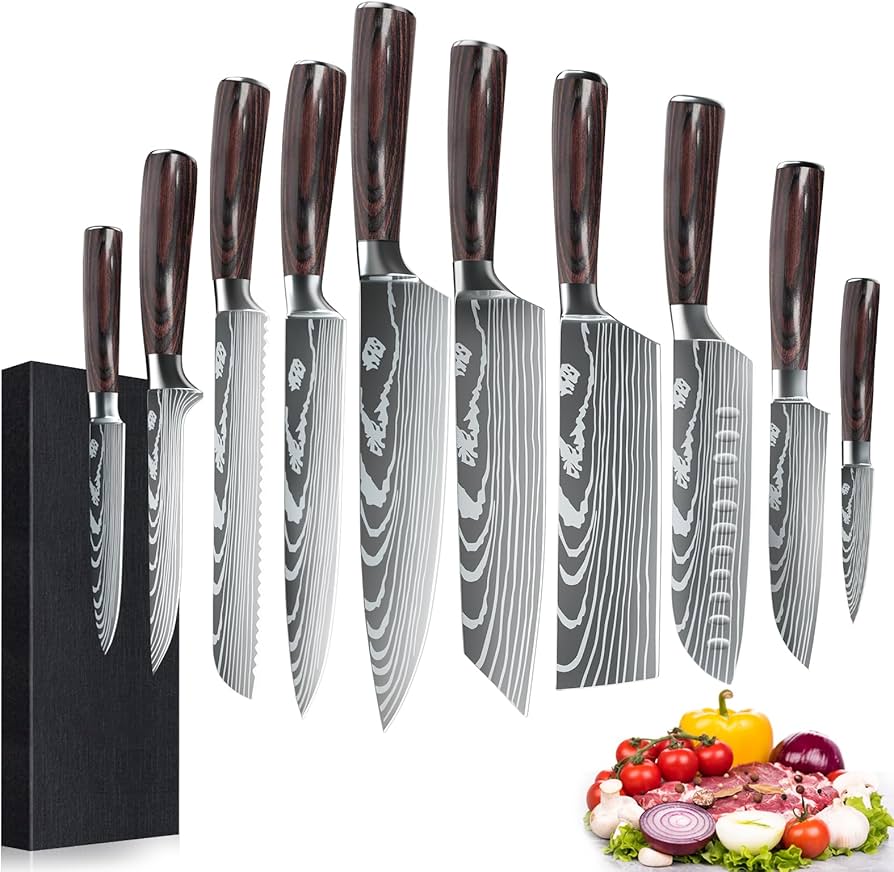
Anatomy of a Masterpiece: Key Components and Materials of a Chef’s Knife
What truly makes a knife one of the best kitchen knives? It’s a combination of meticulously crafted components and superior materials working in harmony.
The Blade: Heart of the Knife
The blade is, without a doubt, the soul of your kitchen knife. Its length typically ranges from 6 to 10 inches, with 8 inches being the most common for chef’s knives, offering versatility for various tasks. Blade shape is crucial too:
- Curved Blades: Often found in German-style knives, these are ideal for a “rocking” motion, perfect for finely mincing herbs or chopping vegetables with a smooth, continuous flow.
- Straight Blades: More common in Japanese knives like Santokus and Nakiris, they excel at an up-and-down “push cut,” providing clean, precise slices.
Many chef’s knives also feature a bolster, the thickened part where the blade meets the handle. A full bolster offers excellent finger protection and balance, especially for those who prefer a “pinch grip” close to the blade, though it can make sharpening the entire blade more challenging. Half bolsters or no bolsters are often favored for easier sharpening and a lighter feel.
Materials: The Foundation of Performance
The material of your knife’s blade significantly impacts its sharpness, edge retention, and maintenance:
- Stainless Steel: The most common choice today, it’s an alloy of metals with chromium, offering excellent rust resistance and a shiny finish. While generally softer than carbon steel, modern advancements have produced high-carbon stainless steel that balances durability with good edge retention.
- Carbon Steel: Historically favored, carbon steel blades contain more carbon, making them harder and capable of achieving an incredibly fine, long-lasting edge. However, they are more brittle and susceptible to rust and discoloration if not meticulously cleaned and dried after each use. This material demands a higher level of care but rewards with unparalleled sharpness.
- Damascus Steel: This isn’t a type of steel but a forging technique that layers different metals, creating distinctive wavy patterns. While often associated with aesthetic beauty, traditional Damascus steel was renowned for its strength, flexibility, and extreme sharpness.
- Ceramic: Made from zirconium dioxide, ceramic knives are incredibly sharp and lightweight, often sharper than metal blades. Their downside is brittleness, making them prone to chipping or breaking if dropped or used for prying.
The Handle: Your Connection to the Blade
A knife’s handle is about more than just looks; it’s about comfort, grip, and control. Materials vary widely:
- Plastic/Synthetic: Durable, hygienic, and often textured for a secure, slip-resistant grip, even when wet or greasy.
- Wood: Offers a classic aesthetic and a warm, natural feel. However, natural wood can warp or split if not properly maintained and dried.
- Pakkawood: A popular choice, this resin-impregnated wood offers the beauty of natural wood with enhanced durability, moisture resistance, and stability. Its smooth yet grippy texture provides a comfortable and secure hold.
Ultimately, the best handle shape is a matter of personal preference, but ergonomic designs that fit comfortably in your hand, without sharp angles or noticeable gaps around rivets, are key to preventing fatigue during long cooking sessions.
Weight and Balance: The Unseen Force
A well-balanced knife feels like a natural extension of your arm. The weight distribution between the blade and handle is crucial; neither end should feel disproportionately heavy, as this can strain your wrist and reduce control. A properly balanced knife allows for precise, effortless movements, making repetitive tasks far less tiring. As professional chef Isabella “Izzy” Rossi often says, “A balanced knife sings in your hand, making every cut a joy.”
German vs. Japanese: Two Schools of Knife Philosophy
The world of premium kitchen knives is largely defined by two distinct traditions: German and Japanese. Understanding their differences is key to choosing the best kitchen knives for your needs.
German-Style Knives: Robust and Reliable
Born from centuries of European blacksmithing, German knives are renowned for their strength, durability, and versatility. Brands like Wüsthof, Zwilling J.A. Henckels, and Messermeister embody this tradition.
- Characteristics: Typically heavier and thicker blades, made from softer, tougher stainless steel (around 56-58 HRC on the Rockwell scale). They often feature a full bolster and a pronounced curve on the blade, ideal for the classic “rocking” chop.
- Strengths: Excellent for heavy-duty tasks like cutting through dense root vegetables, breaking down poultry, or mincing large quantities. Their robust nature means they can withstand more abuse and are less prone to chipping, though they may require more frequent sharpening.
Japanese-Style Knives: Precision and Finesse
With a heritage rooted in samurai sword craftsmanship, Japanese knives prioritize precision, sharpness, and finesse. Brands such as Shun, MAC, and Global are prime examples.
- Characteristics: Generally thinner and lighter blades, crafted from harder carbon steel or high-carbon stainless steel (often 60-61 HRC). They are sharpened to a finer angle (often 15 degrees compared to Germany’s 20-22 degrees), resulting in a sensationally sharper edge that retains its keenness longer. Blade shapes can vary, including the multi-purpose Gyuto (similar to a chef’s knife) and the Santoku (meaning “three virtues” for meat, fish, and vegetables), known for its flatter profile and “sheep’s foot” tip.
- Strengths: Unparalleled for delicate tasks like thinly slicing fish, creating precise juliennes, or fine herb mincing. Their lightness reduces hand fatigue during long prep sessions.
- Considerations: The harder, thinner steel is more brittle, making these knives more susceptible to chipping or cracking if used on bones, frozen foods, or dropped on hard surfaces. They require more careful handling and hand washing.
Many modern manufacturers now create “hybrid” knives that blend the best of both worlds, offering Japanese-style sharpness with some of the durability of German designs.
Top Contenders: The Best Kitchen Knives of 2022 (Our Recommendations)
Based on rigorous testing, expert reviews, and widespread acclaim in 2022, these knives stood out for their exceptional performance, design, and value, making them some of the best kitchen knives available.
Best Overall German-Style Chef’s Knife: Wüsthof Classic 8-Inch Chef’s Knife
The Wüsthof Classic is often cited as the quintessential German chef’s knife, celebrated for its robust build and timeless design. It’s a powerful, all-purpose tool built to last a lifetime. Tested by Food & Wine, this knife excelled in slicing tough sweet potatoes and breaking down chicken, showcasing its strength and durability. Its full bolster provides excellent finger protection, and the comfortable, slip-resistant handle ensures a secure grip. While its weight can be a factor for repetitive, light tasks, its ability to tackle demanding ingredients makes it a favorite for many home cooks and professionals alike.
Best Overall Japanese-Style Chef’s Knife: MAC Professional 8 Inch Hollow Edge Chef’s Knife
For those who prioritize agility and precision, the MAC Professional 8-inch Hollow Edge Chef’s Knife consistently earns high praise. This Japanese-made knife is known for its lightweight design, superb balance, and comfortable Pakkawood handle, making it a joy to use for extended periods. It performed exceptionally well in tests involving chicken, sweet potato, onion, and garlic. While some initial sharpness measurements indicated it might not be the absolute sharpest out of the box, regular honing quickly brings it to its full potential, offering razor-sharp performance for intricate cuts.
Best Carbon Steel Chef’s Knife: Shun Classic 8-Inch Chef’s Knife
Shun knives, particularly the Classic 8-inch Chef’s Knife, are revered for their stunning aesthetics and formidable sharpness. Featuring a high-carbon VG-MAX steel core layered with 34 layers of softer steel, this knife delivers effortless, accurate cuts and maintains its edge exceptionally well. Its D-shaped Pakkawood handle offers a secure and comfortable grip, fitting naturally in the hand. While its harder carbon steel blade demands careful hand washing and immediate drying to prevent corrosion, its superior edge retention and beautiful Damascus pattern make it a coveted tool for those dedicated to proper knife care.
Best Value Chef’s Knife: Victorinox Fibrox 8-Inch Chef’s Knife
Often hailed as the benchmark for budget-friendly cutlery, the Victorinox Fibrox 8-inch Chef’s Knife delivers impressive performance at a fraction of the cost of its high-end competitors. Made by the company behind the iconic Swiss Army Knife, it offers solid performance, easily sailing through tomatoes, green onions, and herbs. Its thin, lightweight, stamped blade provides excellent maneuverability, and the textured Fibrox handle ensures a firm, non-slip grip, even when wet. While it might struggle with exceptionally dense foods like large sweet potatoes, its overall value and reliable performance make it an unbeatable choice for everyday kitchen tasks.
Best Splurge Chef’s Knife: Steelport 8-Inch Chef’s Knife
For those looking to invest in a truly exceptional piece of American craftsmanship, the Steelport 8-inch Chef’s Knife offers a unique blend of Japanese precision and German durability. Handcrafted from high-carbon steel, this knife is incredibly sharp and well-balanced, effortlessly gliding through both delicate tomatoes and tough sweet potatoes. Its thoughtful design, including a downward-curving “sheepsfoot” tip for safe handling and a beautifully crafted maple burl handle, exudes quality. Steelport also offers free sharpening for life, solidifying its place as a top-tier investment for the discerning chef.
Best All-Steel Chef’s Knife: Global 8-Inch Classic Japanese Chef’s Knife
Global knives are instantly recognizable by their distinctive all-steel construction and dimpled handles, which offer a surprisingly secure grip. The Global 8-inch Classic Japanese Chef’s Knife beautifully combines elements of European and Japanese design, providing precise control and versatility. Crafted from Global’s proprietary Chromova 18 stainless steel, it’s lightweight with a thin, razor-sharp edge, excelling in tasks from mincing garlic to creating a fine basil chiffonade. The hollow handle, perfectly balanced with sand, ensures effortless maneuverability. While the all-metal grip can be a point of preference and it might require extra force for very dense items, its unique design and superb performance make it a standout choice.
Best Santoku Knives: Wüsthof Classic Ikon Santoku, MAC Superior 5-inch Santoku, and New West KnifeWorks 7-Inch Teton Edge Santoku
Santoku knives, the Japanese “three virtues” blades, are beloved alternatives to the traditional chef’s knife for their user-friendly design.
- The Wüsthof Classic Ikon Santoku (7-inch) offers German durability with a Japanese-style blade, featuring a thinner, lighter profile and a stylish, ergonomic curved handle.
- The MAC Superior 5-inch Santoku is highly regarded for its exceptional value and remarkable sharpness, praised by many professionals for its balance and cutting ability.
- For an artistic touch, the New West KnifeWorks 7-inch Teton Edge Santoku marries ultra-sharp carbon steel with breathtaking, colorful G10 handles and a unique Teton mountain range etching, making it a stunning, high-performing gift.
Choosing Your Culinary Companion: A Guide to Finding the Right Chef’s Knife
Selecting the best kitchen knife is a deeply personal journey. Here’s what to consider to find your perfect match:
1. Match Your Cooking Style
Do you prefer a “rocking” motion for chopping, or a more straight up-and-down “push cut”? Curved blades suit rocking, while flatter profiles (like Santokus) are better for push cuts.
2. Consider Your Hand Size and Grip
Handle ergonomics are paramount. If you have smaller hands, a slim handle from brands like Wüsthof, MAC, or Global might feel more comfortable. For larger hands, a more substantial grip, such as those found on Shun or Wüsthof Classic, can provide better control. The “pinch grip,” where you hold the spine of the blade between your thumb and index finger, is widely recommended for control.
3. Assess Your Maintenance Commitment
Are you diligent about hand washing and immediate drying? Carbon steel and certain high-carbon stainless steels offer superior edge retention but demand more care to prevent rust and discoloration. If low maintenance is a priority, a standard stainless steel knife might be a better fit.
4. Determine Your Budget
The price of a quality kitchen knife can range significantly. While value options like Victorinox offer excellent performance, investing in a mid-to-high-range knife from brands like Wüsthof, Shun, or MAC ensures longevity and superior cutting experience. Think of it as a long-term investment in your culinary happiness.
Mastering the Blade: Essential Techniques for Using Your Chef’s Knife
A great knife performs best with good technique. Here are a couple of fundamental tips:
The Pinch Grip
This is the cornerstone of control. Loosely “pinch” the spine of the blade between your thumb and index finger, right where it meets the handle. Wrap your remaining fingers around the handle. This grip offers stability and precise control, allowing you to guide the blade with confidence.
Basic Chopping Motions
- Rocking Motion: With a curved blade, keep the tip on the cutting board and rock the knife forward and down, then pull back and up. This motion is efficient for mincing and chopping.
- Push Cut: With a flatter blade, lift the knife slightly, push forward and down through the food, then pull back to reset. This is excellent for precise slicing.
Always keep your guiding hand (the one holding the food) in a “claw” shape, tucking your fingertips under your knuckles to protect them from the blade.
Keeping It Sharp: Care, Maintenance, and Sharpening Tips
Even the best kitchen knives require consistent care to maintain their peak performance.
Cleaning and Storage
- Hand Wash Only: Always hand wash your knives immediately after use with warm, soapy water. Dishwashers can dull edges, damage handles, and cause corrosion due to harsh detergents and high heat.
- Dry Immediately: After washing, thoroughly dry your knife with a soft cloth to prevent water spots, rust, and bacterial growth, especially for carbon steel blades.
- Proper Storage: Store knives in a knife block, on a magnetic strip, or with blade guards to protect the edge from dulling and prevent accidental cuts.
Honing vs. Sharpening
- Honing: Use a honing steel regularly—ideally, every time you use your knife. A honing steel realigns the microscopic edge of the blade, keeping it straight and extending its sharpness. It doesn’t remove material but maintains the existing edge.
- Sharpening: Over time, even with honing, the blade’s edge will naturally dull. Sharpening removes a small amount of metal to create a new, keen edge. Depending on usage, your chef’s knife should be sharpened every month or two. You can use whetstones, pull-through sharpeners, or electric sharpeners at home, or opt for professional sharpening services.
The Investment Factor: Why a Quality Kitchen Knife is Worth Every Penny
Investing in one of the best kitchen knives is not merely a purchase; it’s a long-term commitment to culinary joy, efficiency, and safety. A high-quality knife, properly cared for, can last 25 years or more, making its initial cost negligible over its lifetime. Think of the “dollar-cost averaging” – a $200 knife used for 25 years costs a mere $8 per year, a small price for such an indispensable tool. Beyond the economics, a sharp, well-balanced knife transforms food preparation from a chore into a pleasure, boosting confidence and inspiring creativity in the kitchen. It makes cuts easier, safer, and more precise, elevating the presentation and quality of every dish you create.
Frequently Asked Questions (FAQ)
How often should I sharpen my chef’s knife?
If you use your chef’s knife daily, aim to sharpen it every one to two months. However, the best indicator is performance: if you notice it slipping or struggling to make thin, clean slices, it’s time for a sharpening. Regular honing between sharpenings will extend the life of your edge.
What’s the difference between a chef’s knife and a Santoku?
Both are versatile all-purpose knives. A chef’s knife typically has a curved blade, ideal for a rocking motion, and a pointed tip. A Santoku, on the other hand, usually features a flatter blade and a “sheep’s foot” tip, making it better for an up-and-down push cut. Santokus are often lighter and thinner, emphasizing precision.
Can I put my kitchen knives in the dishwasher?
No, it is highly recommended to hand wash your kitchen knives. Dishwashers can dull the blade, cause handle damage, and lead to corrosion due to harsh detergents, high heat, and jostling against other items.
What is Damascus steel?
Damascus steel refers to a distinctive wavy pattern visible on a knife blade. Traditionally, it involved a complex forging process of folding multiple layers of metal to create both strength and beauty. Modern Damascus steel primarily refers to this layered aesthetic, though high-quality versions still offer excellent performance.
What does “full tang” mean?
“Full tang” indicates that the blade’s metal extends all the way through the handle, providing superior balance, strength, and durability. This construction is a hallmark of high-quality forged knives.
Conclusion
The pursuit of the best kitchen knives in 2022 leads us to a fascinating blend of tradition and innovation. Whether you lean towards the robust power of German engineering or the refined precision of Japanese artistry, the perfect blade awaits. Remember that a great knife is an investment in countless delicious meals, safer prep, and boundless culinary creativity. Choose wisely, care for it diligently, and let your knife become your trusted partner in crafting memorable experiences in the kitchen. Explore our platform, Thế Giới Dao, for more insights and to discover the knife that truly speaks to your culinary soul.