Stepping into the kitchen, whether you’re a seasoned home chef or just starting your culinary journey, you quickly realize one undeniable truth: a good knife is a game-changer. But why settle for just one when you can have a symphony of precision tools at your fingertips? Investing in the Best Knife Sets is not merely about acquiring cutlery; it’s about unlocking efficiency, safety, and joy in your cooking. With so many options out there, from sleek minimalist trios to expansive block sets, finding the perfect collection can feel like navigating a maze. This guide will cut through the confusion, helping you choose a knife set that truly elevates your kitchen experience.
The Anatomy of a Quality Knife Set: Key Components and Materials
Before diving into specific recommendations, let’s understand what makes a knife set truly exceptional. It’s a blend of thoughtful design, durable materials, and smart storage.
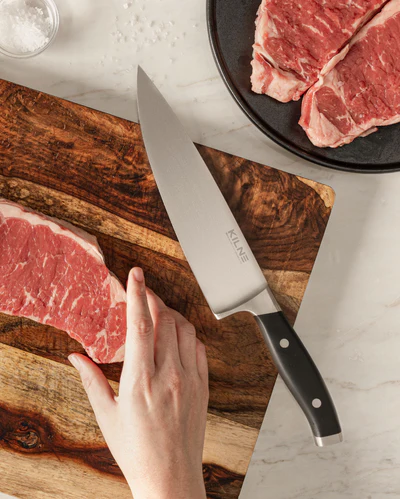
Blade Materials: The Heart of the Cut
The material of your knife blades dictates their sharpness, edge retention, and how easily they can be maintained.
- High-Carbon Stainless Steel: This is the workhorse of most quality knife sets, offering a fantastic balance of strength, corrosion resistance, and the ability to hold a sharp edge. It’s durable and generally easy to sharpen.
- German Steel: Often a type of high-carbon stainless steel, German knives are known for their robustness, slightly softer steel (making them easier to sharpen), and a keen edge perfect for heavy-duty tasks like breaking down poultry or dense vegetables.
- Japanese Steel: Typically harder than German steel, Japanese knives boast thinner blades and incredibly sharp, acute edges. They excel at precision tasks and delicate slicing but can be more prone to chipping if misused. Some Japanese sets feature beautiful Damascus patterns, created by folding layers of steel.
- Ceramic Blades: Extremely sharp and lightweight, ceramic knives are rust-proof and don’t transfer metallic tastes. However, they are brittle and can chip or break easily if dropped or used on hard surfaces. They also require specialized sharpening.
Handle Materials: Grip and Comfort
A comfortable, secure grip is paramount for control and safety.
- Wood: Classic and aesthetically pleasing, wood handles offer a warm, natural feel but require more maintenance as they can warp or crack if not properly cared for.
- Composite/Synthetic (e.g., G-10, Micarta, Santoprene): These materials are highly durable, moisture-resistant, and provide excellent grip, even when wet. They are common in modern knife sets due to their performance and low maintenance.
- Stainless Steel: Offers a sleek, modern look and excellent durability, but can sometimes be slippery when wet and may feel heavy to some users.
- Triple-Riveted: Often found on full-tang knives, rivets securely attach the handle scales to the blade, ensuring longevity and stability.
Construction: Forged vs. Stamped
The way a knife is made significantly impacts its balance, durability, and cost.
- Forged Knives: Crafted from a single bar of steel, heated, and then hammered into shape. This creates a stronger, heavier, and typically more balanced blade with a bolster (the thick part where the blade meets the handle). Forged knives are generally more expensive and prized for their robustness.
- Stamped Knives: Cut from a large sheet of steel and then ground and sharpened. They are lighter, thinner, and often more affordable. While they lack the bolster of forged knives, modern stamped blades can still offer excellent performance.
Storage Solutions: Keeping Your Blades Safe and Sharp
How you store your knives is crucial for their longevity and your safety.
- Knife Blocks: The most common option, offering dedicated slots for each knife. They keep blades protected and organized on your countertop. Some advanced blocks even feature self-sharpening slots, which hone the blade every time a knife is removed or returned.
- Magnetic Strips: A sleek, space-saving solution that mounts on your wall, allowing you to display your knives and keep them easily accessible.
- In-Drawer Organizers: Ideal for those with limited counter space, these trays keep knives safely separated within a drawer.
- Blade Sheaths/Guards: Individual covers for blades, often included with color-coded sets, perfect for drawer storage or transport.
Unsheathing Versatility: Types of Knife Sets for Every Chef
The range of knife sets available is vast, designed to cater to different cooking styles and needs.
Starter Sets: The Essentials for Every Kitchen
For those just beginning their culinary adventure or with limited kitchen space, a basic 2-3 piece set is often ideal. These typically include:
- Chef’s Knife (or Santoku): Your all-purpose workhorse for chopping, slicing, and dicing.
- Paring Knife: Perfect for delicate tasks like peeling, coring, and intricate cuts.
- Serrated Utility or Bread Knife: Essential for slicing bread, tomatoes, or anything with a tough exterior and soft interior.
“Don’t get caught up in the ‘more is better’ mindset,” advises Sarah Chen, a Kitchenware Specialist. “A smaller, high-quality set that covers your essential needs will always outperform a large set of mediocre knives.”
Comprehensive Block Sets: For the Enthusiastic Home Cook
These sets usually range from 8 to 18 pieces and provide a broader array of tools for diverse cooking tasks. Beyond the essentials, they often include:
- Utility knife
- Boning knife
- Carving knife
- Steak knives (usually 4-8 pieces)
- Kitchen shears
- Honing steel (for maintaining the edge)
Brands like Chicago Cutlery, Henckels, and Wüsthof offer popular comprehensive sets that cater to everyday kitchen needs. For example, the Henckels Statement Knife Block Set is known for its sturdy, well-made knives and a good variety for home cooks.
Specialty Sets: Tailored for Specific Culinary Styles
- Japanese-style Sets: Focus on thinner, sharper blades, often featuring santoku knives and specific Japanese profiles. The Ginsu Chikara 8-Piece Bamboo Block Knife Set is praised for its super-sharp Japanese-style knives and good value.
- Self-Sharpening Block Sets: These blocks contain integrated sharpeners in each slot, honing the blade every time a knife is inserted or removed. This can be a convenient feature for consistent edge maintenance, such as found in the Henckels Classic 15 Piece Self Sharpening Block Set.
- Color-Coded Sets: Excellent for preventing cross-contamination and adding a vibrant touch to your kitchen. Cuisinart’s Advantage Color Collection is a popular budget-friendly option with individual knife guards for safe storage.
Choosing Your Culinary Companion: A Guide to Finding the Perfect Knife Set
Selecting the right knife set involves more than just aesthetics; it’s about matching the tools to your lifestyle and cooking habits.
Consider Your Cooking Needs
- What do you cook most often? If you frequently prepare large meals or entertain, a comprehensive set with steak knives and specialty blades might be beneficial. If you primarily cook for one or two, a minimalist “trio of knives” might suffice, offering essential versatility without clutter.
- Are you a beginner or experienced? Beginners might appreciate the convenience and variety of a larger set, while experienced cooks might prefer fewer, higher-quality individual knives.
Budget vs. Quality: An Investment in Your Kitchen
While budget-friendly options exist, remember that a knife set is an investment. “A well-chosen knife set isn’t just about having the right tools; it’s about transforming your cooking experience. The right balance and sharpness can make even mundane tasks a joy,” notes Chef Isabella Rossi, a Culinary Educator. Quality often correlates with durability, edge retention, and overall performance.
Ergonomics and Balance: The Feel in Your Hand
Hold the knives if you can. Do they feel comfortable and balanced? A knife should feel like an extension of your arm, not a heavy or flimsy tool. Handles should offer a secure grip, even when wet or greasy. Some knives, like the Mercer Culinary Genesis Forged Knife Set, are lauded for their comfortably curved rubber handles and excellent balance.
Storage Space: Countertop or Drawer?
Consider your kitchen layout. Do you have ample counter space for a traditional knife block, or would a magnetic strip or in-drawer organizer be a better fit? Some blocks are designed with slim profiles to save space.
Maintenance Preferences: Self-Sharpening or Manual?
If you prefer minimal fuss, a self-sharpening block could be a great choice. If you enjoy the ritual of sharpening or want more control over your edge, a set with a honing steel or a separate sharpener is ideal.
Handle Like a Pro: Basic Knife Skills and Usage Tips for Your Set
Even with the best knife sets, proper technique is crucial for safety and efficiency.
Proper Grip: The Pinch Grip
For most tasks with a chef’s knife, use a “pinch grip.” Pinch the blade between your thumb and forefinger, just in front of the bolster, and wrap your remaining fingers around the handle. This provides maximum control.
Basic Cuts: Practice Makes Perfect
- Slicing: Use a smooth, forward and down motion, letting the knife’s length do the work.
- Dicing: Create even cubes by first slicing, then turning your ingredient and slicing again.
- Mincing: For very fine pieces, use a rocking motion with your chef’s knife, keeping the tip on the board.
Safety First: Always Be Mindful
“Many home cooks underestimate the power of a proper knife. Investing in a good set is investing in your safety and efficiency. Dull knives are far more dangerous than sharp ones,” emphasizes Kenji Tanaka, a Master Bladesmith.
- Always cut away from your body.
- Keep your guiding hand in a “claw” position, knuckles forward, to protect your fingertips.
- Use a stable cutting board that won’t slip.
- Never try to catch a falling knife.
Keeping Your Edge: Care, Cleaning, and Sharpening Your Knife Set
Proper maintenance will ensure your knife set lasts for decades.
Hand Washing is Key
While some manufacturers claim “dishwasher-safe,” always hand-wash your kitchen knives with warm, soapy water. The harsh detergents and high temperatures of a dishwasher can dull edges, damage handles, and cause corrosion.
Drying Thoroughly
Immediately after washing, dry your knives completely with a soft cloth. This prevents water spots and, more importantly, rust, especially on high-carbon steel blades.
Honing vs. Sharpening
Understand the difference:
- Honing: Uses a honing steel (often included in knife sets) to realign the microscopic edge of a blade. Do this regularly, even daily, to maintain sharpness.
- Sharpening: Actually removes material from the blade to create a new, sharper edge. This is needed less frequently, perhaps every few months to a year, depending on use. You can use whetstones, electric sharpeners, or manual pull-through sharpeners.
More Than Just Blades: The Enduring Benefits of a Quality Knife Set Investment
Choosing one of the best knife sets offers advantages that extend far beyond simply cutting food.
- Efficiency and Enjoyment in the Kitchen: Sharp, well-balanced knives make prep work faster, easier, and more enjoyable. You’ll glide through ingredients instead of struggling.
- Safety Through Sharpness: Counterintuitively, sharp knives are safer than dull ones. A sharp blade requires less force and is less likely to slip, reducing the risk of accidents.
- Durability and Longevity: A quality knife set, properly cared for, can last for decades, becoming a cherished part of your culinary toolkit.
- Aesthetic Appeal and Organization: A well-designed knife set, especially with an attractive block or magnetic strip, can be a stylish addition to your kitchen, keeping your tools organized and accessible.
Frequently Asked Questions About Best Knife Sets
What makes a good knife set?
A good knife set is defined by its ability to meet your specific cooking needs with high-quality, durable materials that are comfortable to use and easy to maintain. It’s about finding the right balance of knives for your tasks, the best materials you can afford, and a set that you’re willing to care for properly.
Are self-sharpening knife sets good quality?
Self-sharpening knife sets offer convenience, especially for beginners, by maintaining a decent edge with minimal effort. However, for more refined sharpening and ultimate edge control, a separate sharpening tool like a whetstone or an electric sharpener might provide superior results.
Is it better to buy a set or individual knives?
For most home cooks, a reliable, high-quality knife set is a worthwhile investment, providing a versatile range of tools at a potentially better price than buying individually. However, if you have very specific needs or already know your preferred knives, building a collection one by one allows for greater customization with top-tier individual blades.
How long do knife sets last?
With proper care, including hand washing, thorough drying, and regular honing and sharpening, a good knife set can last for decades, much like quality flatware.
How do you keep knife sets clean?
Always hand-wash your knives with warm, soapy water immediately after use. Dry them thoroughly with a soft cloth before storing to prevent rust and maintain blade integrity. Knife blocks and sheaths can be wiped down with a damp cloth.
Your Journey to Culinary Excellence Starts Here
Choosing the best knife sets for your kitchen is more than just a purchase; it’s an investment in your culinary passion. By understanding the components, materials, and types of sets available, and considering your personal cooking style, you can confidently select a collection that will serve you faithfully for years to come. With proper care and the right techniques, your new knife set will transform every meal preparation into a more efficient, enjoyable, and safer experience. Get ready to chop, slice, and dice your way to culinary excellence!