Every home chef dreams of a kitchen where cooking is a joy, not a chore. While gadgets come and go, there’s one tool that remains the undisputed king of the kitchen: a great knife. Investing in the Best Knives For Home Chef duties can revolutionize your culinary experience, making prep work faster, safer, and far more enjoyable. It’s not just about having a sharp edge; it’s about having the right tools that feel like an extension of your hand, guiding you through every slice, dice, and chop with effortless precision.
Why a Great Knife Matters: More Than Just a Tool
Think about your current kitchen routine. How much time do you spend wrestling with dull blades, uneven cuts, or struggling through a tough onion? A quality knife cuts through these frustrations, transforming mundane tasks into moments of culinary satisfaction. From the humble beginnings of sharpened stones to the sophisticated steel blades of today, knives have always been central to food preparation. The evolution of the chef’s knife, in particular, showcases centuries of refinement, culminating in the versatile instruments we rely on today. A truly great knife isn’t just about slicing; it’s about confidence, efficiency, and a newfound appreciation for the art of cooking.
Understanding Your Blade: Anatomy and Materials
Before diving into specific recommendations for the best knives for home chef, let’s get acquainted with what makes a knife truly excellent. Understanding its components and the materials used can make all the difference in your selection.
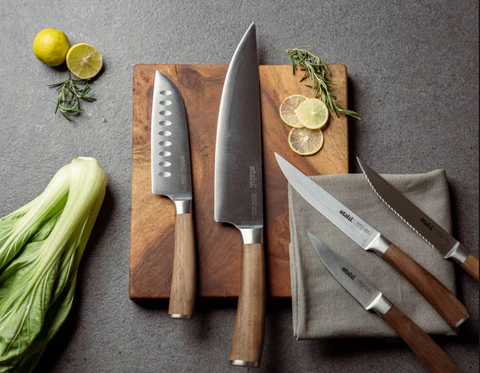
The Blade: The Heart of the Knife
The blade is, naturally, where the magic happens. Its material and design heavily influence performance and maintenance.
- Steel Types:
- High-Carbon Stainless Steel: This is the sweet spot for most home chefs. It combines the rust-resistant properties of stainless steel with the excellent edge retention and sharpness of higher carbon content. Brands like Wüsthof and Victorinox often utilize variations of this steel, offering durability and relative ease of maintenance.
- Carbon Steel: Prized by some professionals for its extreme sharpness and ability to take a razor-fine edge, carbon steel is less common for the everyday home chef. Why? It’s prone to rust and discoloration and requires diligent care. Unless you’re ready for the commitment, it might be more upkeep than you bargained for.
- Damascus Steel: Often recognizable by its distinctive wavy patterns, Damascus steel isn’t a type of steel but a technique of folding and forging different steels together. It results in beautiful, durable blades with excellent cutting properties, combining aesthetics with performance.
- Edge Types (Western/German vs. Japanese/Gyuto):
- Western (German) Blades: These are typically thicker, heavier, and have a more pronounced curve, or “rocker,” along the blade. This design makes them excellent for a rocking motion, ideal for chopping large quantities of vegetables and handling tougher tasks like breaking down poultry. Their softer steel tends to be more chip-resistant but may require more frequent honing.
- Japanese (Gyuto) Blades: Lighter and thinner, Japanese knives boast a sharper, more acute edge angle. They often have a flatter profile near the heel, favoring a push-cut style and excelling at precise, delicate slicing and dicing. Crafted from harder steel, they hold an edge longer but can be more prone to chipping if mishandled.
- The Bolster: This thickened area where the blade meets the handle adds balance and acts as a finger guard. Some knives feature a full bolster, while others have a half-bolster or no bolster at all, influencing grip and sharpening ease.
The Handle: Your Connection to the Blade
A knife is only as good as how it feels in your hand. The handle plays a crucial role in comfort, control, and safety.
- Materials: Handles come in various materials, including natural wood (like rosewood or olive wood), composite materials (like Pakkawood or synthetic polymers), and even all-metal designs. Each offers different aesthetics, grip, and durability.
- Ergonomics: Look for a handle that fits comfortably in your hand, offering a secure grip even when wet or greasy. Personal preference is key here; what feels good to one person might not to another.
- Full Tang vs. Partial Tang: A “full tang” knife means the blade steel extends all the way through the handle. This construction provides superior balance, strength, and durability, making it a hallmark of quality knives. Partial tang knives, where the blade doesn’t extend fully, are generally less robust.
Your Essential Culinary Crew: Key Knife Types for the Home Chef
While specialized knives abound, most home chefs can conquer nearly any culinary task with a core set of just three to five versatile blades. Focusing on these essential best knives for home chef needs is a smart strategy.
The Indispensable Chef’s Knife (The Workhorse)
If you could only have one knife, make it a chef’s knife. This multi-purpose powerhouse handles roughly 80% of your cutting tasks.
- Characteristics: Typically an 8-inch blade, though 6-inch to 10-inch options are available. The classic German style features a curved blade ideal for a rocking motion, while Japanese Gyuto versions are often thinner and flatter, favoring a push cut.
- Uses: Chopping vegetables, slicing meats, mincing herbs, dicing onions, and even smashing garlic cloves. It’s your everyday workhorse for almost everything.
The Precision Paring Knife (The Detailer)
For those intricate tasks where a larger knife feels cumbersome, the paring knife steps in.
- Characteristics: Small (typically 2-4 inches), with a sharp, pointed tip.
- Uses: Peeling fruits and vegetables, deveining shrimp, trimming small garnishes, coring tomatoes, and other delicate, in-hand precision work.
The Versatile Utility Knife (The All-Rounder)
Sitting comfortably between the chef’s knife and the paring knife, the utility knife is a versatile mid-size option.
- Characteristics: Generally 5-7 inches long, with a straight or slightly curved blade.
- Uses: Ideal for tasks that are too big for a paring knife but too small for a chef’s knife, such as slicing sandwiches, trimming smaller cuts of meat, or halving larger fruits and vegetables.
The Mighty Serrated/Bread Knife (The Slicer)
Don’t try to cut a fresh loaf of artisan bread with a straight-edge knife – you’ll just crush it! That’s where the serrated knife shines.
- Characteristics: Long, with a saw-toothed edge, typically 10 inches or more.
- Uses: Effortlessly slicing through crusty bread, delicate tomatoes, cakes, and even carving roasts with a tough exterior.
The Japanese Santoku (The Alternative Chopper)
A popular alternative to the traditional chef’s knife, especially for those who prefer a different cutting style.
- Characteristics: Often 6-7 inches, with a flatter blade profile and a “sheepsfoot” or rounded tip. Many feature a Granton edge (indentations) to prevent food from sticking.
- Uses: Excels at chopping, dicing, and mincing. Its flatter edge is often preferred for a “push cut” motion rather than a rocking motion.
While boning knives for precise meat trimming or carving knives for holiday roasts can be useful additions, the “trifecta” of a chef’s knife, paring knife, and serrated knife, possibly augmented by a utility knife or Santoku, will cover almost all your needs for the best knives for home chef.
Choosing Your Perfect Partner: A Buying Guide for Home Kitchen Knives
Selecting the best knives for home chef isn’t a one-size-fits-all endeavor. It’s a personal journey to find tools that resonate with your cooking style and comfort.
Consider Your Needs & Comfort First
The most crucial factor is how a knife feels in your hand. Does it feel balanced? Is the grip secure? Is the weight comfortable? Many experts recommend trying knives in person if possible. What you cook most often will also influence your choice; if you frequently break down large cuts of meat, a heavier German chef’s knife might be ideal. If delicate vegetable prep is your passion, a nimble Japanese knife could be your dream.
Blade Material & Performance
As discussed, high-carbon stainless steel offers a great balance of sharpness, edge retention, and easy maintenance for home cooks. While harder steels hold an edge longer, they can be more brittle. Think about how much time you’re willing to dedicate to knife care.
Balance & Grip
A well-balanced knife feels like an extension of your arm, reducing fatigue during long prep sessions. Test different models to see how the weight distribution feels. A comfortable, non-slip grip is essential for safety and control.
Budget: Value vs. Splurge
You don’t need to break the bank to get excellent knives. Brands like Victorinox offer exceptional performance at an affordable price, making them excellent choices for beginners or budget-conscious cooks. Mid-range options from Wüsthof, MAC, or Shun provide a significant step up in craftsmanship and materials without reaching professional-grade prices. Remember, a single high-quality chef’s knife is often a better investment than a full set of mediocre ones.
Sets vs. Individual Purchases
While knife sets can seem convenient, they often include knives you rarely use. Many culinary experts advocate buying individual knives based on your specific needs, ensuring every blade in your block is a workhorse you love.
Sharpen Your Skills: Basic Knife Techniques & Safety
Even the best knives for home chef are only as good as the hand wielding them. Mastering a few basic techniques and prioritizing safety will elevate your cooking and protect your fingers.
The Proper Grip: The Pinch Grip
Forget the “hammer grip.” The standard professional grip, known as the “pinch grip,” involves pinching the heel of the blade between your thumb and forefinger, with the remaining fingers wrapped around the handle. This provides maximum control and stability.
Fundamental Cutting Motions
- Rocking Motion: Common with German-style chef’s knives, this involves keeping the tip of the blade on the cutting board while rocking the knife down through the food, lifting the heel, and pushing forward.
- Push Cut: Often used with flatter Japanese-style blades, this technique involves pushing the knife straight down and slightly forward through the food.
Crucial Safety Rules
- Always use a sharp knife: A dull knife requires more force, making it more likely to slip and cause injury.
- Keep your guiding hand safe: Form a “claw” with your non-dominant hand, curling your fingertips inward and using your knuckles to guide the blade.
- Cut away from your body: This seems obvious but is easily forgotten in a busy kitchen.
- Maintain a stable cutting surface: Use a non-slip cutting board.
Keeping Your Knives Pristine: Care and Maintenance Tips
To ensure your investment in the best knives for home chef lasts for years, proper care is non-negotiable.
Hand Washing is Paramount (No Dishwashers!)
This is perhaps the most important rule. The harsh detergents, high heat, and jostling in a dishwasher can dull your blade, damage the handle, and even cause rust. Always hand wash your knives immediately after use with warm, soapy water and dry them thoroughly.
Safe Storage Methods
Proper storage protects both your knives and your fingers.
- Knife Block: A classic choice, protecting blades from dings and keeping them organized.
- Magnetic Strip: Conveniently displays your knives and keeps them within easy reach, but ensure they are placed and removed carefully to avoid dulling the edge.
- In-Drawer Holders: If you prefer to keep your knives out of sight, specific in-drawer trays protect the blades.
Honing vs. Sharpening: Understanding the Difference
These terms are often confused, but they serve different purposes:
- Honing: This realigns a knife’s microscopic edge, which naturally bends over time with use. A honing steel (or ceramic rod) should be used frequently, ideally before or after every few uses, to maintain peak performance. It doesn’t remove metal; it straightens the edge.
- Sharpening: This actually removes a small amount of metal to create a new, sharper edge when honing no longer suffices. Depending on usage, home knives typically need professional sharpening once or twice a year, or you can use a quality sharpening stone or pull-through sharpener if you’re comfortable with the technique.
The Long-Term Value: Why Invest in Quality Knives?
Opting for the best knives for home chef duties is more than just a purchase; it’s an investment in your culinary journey.
- Enhanced Cooking Experience: Sharp, comfortable knives make prep work a pleasure, reducing effort and increasing speed. You’ll actually look forward to chopping vegetables!
- Safety: Counterintuitively, a sharp knife is safer than a dull one. It glides through food predictably, requiring less force and reducing the chance of slips.
- Longevity: High-quality knives, with proper care, can last a lifetime, often outliving cheaper alternatives many times over. This makes them a more sustainable and cost-effective choice in the long run.
Expert Insight: A Culinary Perspective
“Choosing the right knife is like choosing a dance partner,” explains Chef Anya Sharma, founder of ‘The Global Table’ culinary academy. “You need one that moves with you, that feels natural and extends your capabilities. For the home chef, it’s about finding that balance of utility, comfort, and just enough character to inspire joy in every meal.”
Frequently Asked Questions (FAQs)
Q: What’s the absolute minimum number of knives I need?
A: Most culinary experts agree that a good quality chef’s knife, a paring knife, and a serrated bread knife form the essential “trifecta” for nearly all home cooking tasks. These three blades can handle a vast range of ingredients and preparation styles, making them the best knives for home chef starting points.
Q: How often should I hone vs. sharpen my knives?
A: You should hone your knives frequently, ideally every few uses or even before each significant cooking session, to realign the edge. Sharpening, which removes metal to create a new edge, is needed less often, typically once or twice a year for a home chef, depending on use and blade material.
Q: Can I put my good knives in the dishwasher?
A: Absolutely not! Dishwashers can damage knife blades and handles due to harsh detergents, high heat, and physical knocking. Always hand wash and dry your quality knives immediately after use to preserve their edge and integrity.
Q: German or Japanese: which style is better for a home chef?
A: Neither is inherently “better”; it depends on your preference. German knives are generally heavier and more robust, excelling at chopping with a rocking motion. Japanese knives are lighter and sharper, favored for precision slicing with a push cut. Many home chefs find an 8-inch German-style chef’s knife to be an excellent all-around choice due to its durability.
Q: What does “full tang” mean and why is it important?
A: “Full tang” means the blade’s steel extends in one continuous piece all the way through the handle. This construction is vital because it provides superior strength, balance, and durability to the knife, making it a key indicator of a high-quality, long-lasting blade.
Conclusion
Embarking on your culinary journey with the best knives for home chef is a game-changer. From mastering the delicate art of mincing garlic to confidently slicing through a hearty roast, the right set of blades empowers you to cook with greater efficiency, safety, and immense pleasure. It’s not just about owning tools; it’s about embracing a lifestyle where every meal prepared is a testament to quality and care. So, take the plunge, choose your companions wisely, and let your “Thế Giới Dao” (World of Knives) journey begin, transforming your kitchen into a haven of culinary excellence.