Ever wondered what truly elevates a home kitchen from good to gourmet? Often, it’s the humble yet powerful Chef Knife Set. More than just a collection of blades, a quality chef knife set is the heart of efficient and enjoyable cooking. It’s the silent partner in countless culinary adventures, making slicing, dicing, and chopping a joy rather than a chore. But with so many options out there, how do you choose the perfect set that will last a lifetime? This guide will cut through the confusion, helping you understand why a good set is indispensable, what to look for, and how to care for these vital kitchen companions. Whether you’re a seasoned home cook or just starting your culinary journey, investing in the right chef knife set can transform your kitchen experience.
A Slice of History: The Evolution of the Chef’s Knife
The chef’s knife, the centerpiece of any quality chef knife set, has a rich history that mirrors the evolution of cooking itself. Its origins can be traced back to basic cleavers and butcher knives. Over centuries, particularly in Europe, it transformed into the versatile, curved-blade instrument we recognize today. The 19th and 20th centuries saw the rise of iconic German brands, developing robust, heavy blades known for their durability and power. Across the globe, Japanese knife-making traditions perfected thinner, razor-sharp blades, emphasizing precision and delicate cuts. Today, a good chef knife set often includes elements inspired by both traditions, offering a blend of strength and finesse tailored to diverse cooking styles.
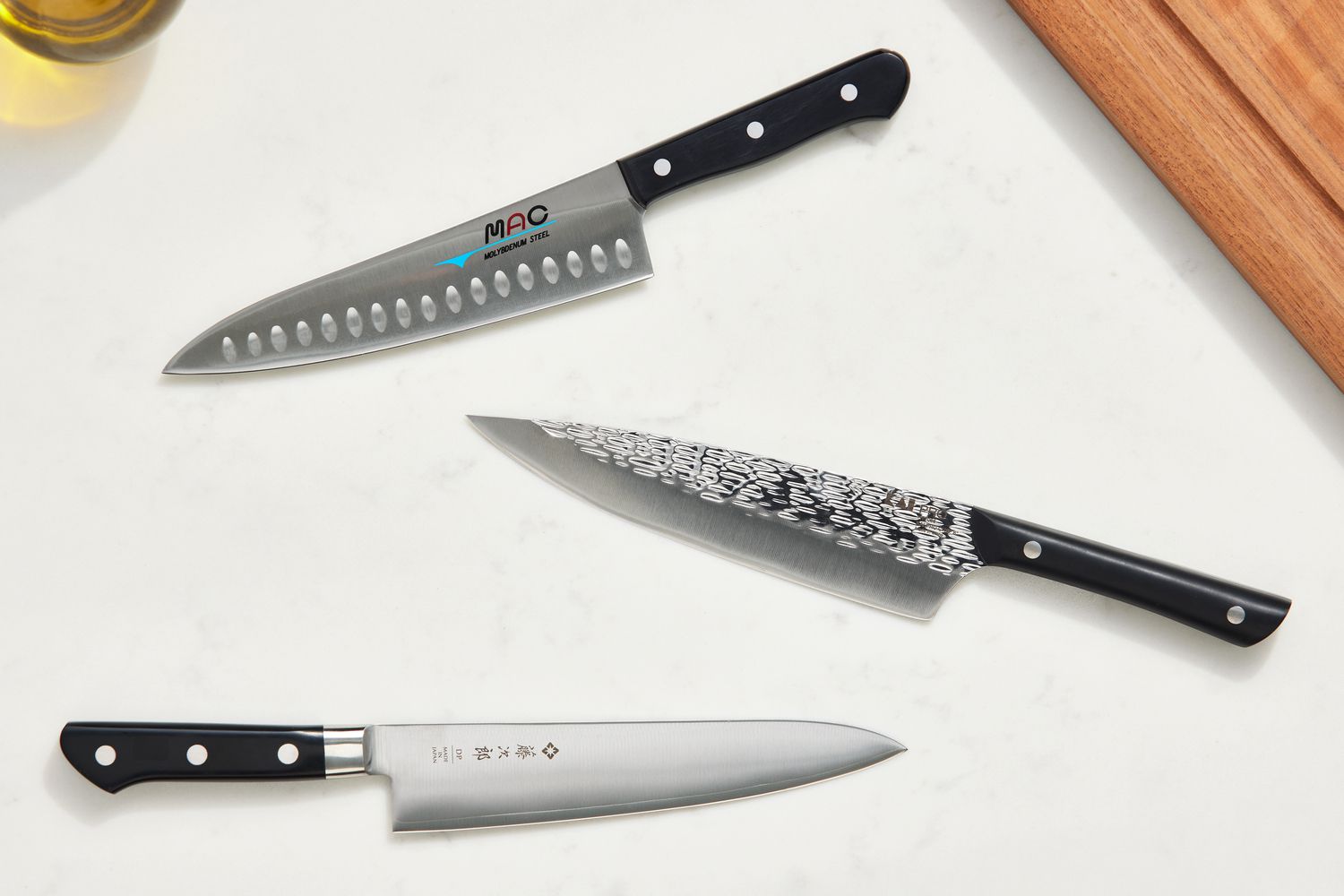
The Anatomy of Excellence: Key Components and Materials of Your Chef Knife Set
Understanding what goes into each knife in your chef knife set is crucial for appreciating its performance and durability. From the tip of the blade to the end of the handle, every component plays a vital role.
The Blade: The Heart of the Cut
The blade is where the magic happens, and its material is paramount.
- High-Carbon Stainless Steel: This is the most popular choice for a chef knife set. It strikes an excellent balance, combining the sharpness and edge retention of carbon steel with the rust resistance of stainless steel. It’s what gives many modern knives their long-lasting performance.
- Stainless Steel: While more corrosion-resistant, traditional stainless steel often doesn’t hold an edge as well as its high-carbon counterpart. It’s common in more budget-friendly sets.
- Carbon Steel: Prized by some professionals for its extreme sharpness and ease of sharpening, carbon steel requires meticulous care to prevent rust and discoloration. You’ll typically find this in specialized, high-end knives rather than full sets.
- Forged vs. Stamped: Forged blades are made from a single piece of heated steel, pounded into shape, and usually feature a bolster (the thick collar between the blade and handle). They are generally heavier, more balanced, and more durable. Stamped blades are cut from a sheet of steel, are lighter, and often more affordable. Both can be high quality.
- German vs. Japanese Steel: German knives are known for softer, more pliable steel that is easier to sharpen and more resistant to chipping. Japanese knives often use harder steel, allowing for a sharper, thinner edge that retains its sharpness longer but can be more brittle.
The Handle: Your Connection to Control
A knife’s handle is more than just something to hold; it’s about comfort, grip, and balance.
- Materials: Common materials include wood (often stabilized or composite like Pakkawood for durability), plastic (like POM or ABS polymer, known for hygiene and resilience), and metal. Each offers a different feel and aesthetic.
- Ergonomics: A good handle should fit comfortably and securely in your hand, reducing fatigue during long prep sessions. It should provide a non-slip grip, even when wet.
- Full Tang: In a full-tang knife, the blade extends all the way through the handle, often secured with rivets. This construction provides superior balance, strength, and durability. It’s a hallmark of a well-made knife in any chef knife set.
What’s in the Box? Popular Types of Knives in a Chef Knife Set
A comprehensive chef knife set equips you for virtually any culinary task. While sets vary, these are the common stars you’ll find:
- Chef’s Knife: The ultimate multi-tasker. Typically 8 inches, this knife is your workhorse for chopping vegetables, slicing meats, and mincing herbs with its versatile curved blade. It’s the centerpiece of any good chef knife set.
- Paring Knife: Small and agile, usually 3 to 4 inches. Perfect for delicate tasks like peeling fruits, trimming small vegetables, and creating garnishes. It offers precision where larger blades can’t.
- Serrated Bread Knife: With its scalloped edge, this knife effortlessly glides through crusty bread without squishing the soft interior. It’s also fantastic for slicing tomatoes or other soft-skinned produce.
- Utility Knife: Falling between a paring and a chef’s knife (4-7 inches), the utility knife is great for tasks too large for a paring knife but too small for a chef’s knife, such as slicing sandwiches or smaller cuts of meat.
- Santoku Knife: The Japanese equivalent of the chef’s knife, often 7 inches. It has a straighter edge and a “sheep’s foot” tip, ideal for precise, thin slicing and dicing, particularly with vegetables and fish. Its hollow-ground (Granton) edge helps prevent food from sticking.
- Boning Knife: With a thin, flexible (or stiff) blade (5-6 inches), this knife is designed to separate raw meat from the bone or skin from fish.
- Carving/Slicing Knife: Longer and thinner than a chef’s knife, perfect for creating uniform slices of roasted meats, poultry, and larger fruits.
- Kitchen Shears: Often included, these robust scissors are indispensable for tasks like snipping herbs, cutting twine, or even spatchcocking poultry.
- Honing Steel: Not a sharpener, but a tool to realign the microscopic edge of your blades, keeping them performing optimally between sharpenings. It’s a key accessory in maintaining your chef knife set.
Your Culinary Matchmaker: How to Choose the Right Chef Knife Set
Selecting the perfect chef knife set can feel daunting, but by focusing on your needs, you can make an informed decision.
What to Consider When Choosing
- Your Cooking Style and Needs: Are you a beginner needing the absolute basics, a passionate home cook who enjoys diverse cuisine, or an aspiring professional? A basic 3-piece set (chef, paring, bread) is great for beginners, while more extensive sets offer specialized tools.
- Budget: Quality knife sets range widely in price. Determine what you’re comfortable investing, remembering that a good set is a long-term asset.
- Balance and Weight: Hold the knives! A well-balanced knife feels like an extension of your arm, allowing for control and reducing wrist fatigue. Some prefer heavier, German-style knives, others lighter, Japanese-style blades.
- Blade Material and Sharpness: Prioritize high-carbon stainless steel for its versatility. Look for knives that arrive razor-sharp and have good edge retention.
- Handle Comfort: The handle should feel secure and comfortable in your hand, regardless of material.
- Storage: Most sets come with a knife block, but magnetic strips or knife rolls are also popular options for keeping your chef knife set organized and protected.
Master the Blade: Basic Gripping and Usage Techniques
Even the finest chef knife set is only as good as the hands wielding it. Proper technique ensures safety and efficiency.
- The Pinch Grip: The most common and effective grip. Pinch the base of the blade with your thumb and forefinger, wrapping your remaining fingers around the handle. This grip offers maximum control.
- The Rocking Motion: For your chef’s knife, use a fluid rocking motion, keeping the tip on the cutting board while you move the heel up and down, ideal for chopping and mincing.
- Use the Right Knife for the Job: Don’t use a paring knife for heavy-duty tasks or a chef’s knife for delicate peeling. Matching the knife to the task prevents damage to the blade and makes your work easier and safer.
- Cutting Surfaces: Always use a wooden or high-grade plastic cutting board. Avoid glass, ceramic, or metal surfaces, as they will rapidly dull and damage your blades.
Keep Them Keen: Tips for Care, Cleaning, and Sharpening Your Chef Knife Set
A high-quality chef knife set is an investment, and like any investment, it requires proper care to maintain its value and performance.
Cleaning Your Knives
- Hand Wash Immediately: Always hand wash your knives right after use with warm water and mild soap, using a soft sponge. Food acids can corrode blades if left on too long.
- No Dishwasher! The high heat, harsh detergents, and clanging against other utensils in a dishwasher can severely damage both the blade and handle of your knives.
- Dry Immediately: After washing, thoroughly dry your knives with a clean, lint-free towel. Never let them air dry, especially carbon steel blades, as this can lead to rust and water spots.
- Never Soak: Soaking knives in water, even briefly, can cause water damage to handles and rust on blades.
Sharpening and Honing
- Regular Honing: Use a honing steel frequently (daily or weekly, depending on use) to realign the blade’s edge. This keeps your knives feeling sharp without actually removing metal.
- Occasional Sharpening: When honing no longer brings back the edge, it’s time for actual sharpening. This can be done with a whetstone, pull-through sharpener, or an electric sharpener. How often depends on usage, but a few times a year for a home cook is a good rule of thumb.
- Professional Sharpening: Consider having your chef knife set professionally sharpened once a year or as needed. They have the expertise and equipment to restore a perfect edge.
- Carbon Steel Specifics: If your set includes carbon steel knives, rinse them immediately after cutting acidic foods (like citrus or tomatoes) and apply a food-safe mineral oil after washing and drying to prevent oxidation and encourage a protective patina.
Storage Solutions
- Knife Blocks: A common and safe way to store your chef knife set, protecting the blades and keeping them easily accessible.
- Magnetic Strips: A space-saving option that proudly displays your knives while keeping them out of harm’s way.
- Knife Rolls/Sheaths: Ideal for transport or if you have limited counter space, these protect individual blades.
- Avoid Loose Drawers: Storing knives unprotected in a drawer allows them to bang against other utensils, damaging their edges and posing a safety risk.
The Payoff: Benefits of Investing in a Quality Chef Knife Set
Why go through the effort of researching and maintaining a premium chef knife set? The benefits extend far beyond just cutting food.
- Enhanced Efficiency: Sharp, well-balanced knives make prep work faster and less tiring. You’ll glide through ingredients instead of struggling.
- Superior Precision: Achieve cleaner cuts, finer dices, and more consistent slices, elevating the presentation and even the taste of your dishes.
- Increased Safety: Counterintuitively, a sharp knife is a safer knife. It requires less force to cut, reducing the chance of slips and accidents.
- Pure Enjoyment: Cooking with high-quality tools is simply more pleasurable. It turns a chore into a craft.
- Long-Term Investment: A well-cared-for chef knife set from a reputable brand can last decades, making it a wise financial decision in the long run.
Frequently Asked Questions About Chef Knife Sets
What knives are absolutely essential for a home cook’s chef knife set?
For most home cooks, a basic chef knife set should include an 8-inch chef’s knife, a 3-4 inch paring knife, and a serrated bread knife. These three knives can handle the vast majority of kitchen tasks.
How often should I sharpen the knives in my chef knife set?
You should hone your knives frequently (daily or weekly) with a honing steel to realign the edge. Actual sharpening with a stone is typically needed less often, perhaps every few months for a home cook, depending on usage.
Can I put my chef knife set in the dishwasher?
No, you should never put your chef knife set in the dishwasher. The harsh detergents, high heat, and potential for knives to clang against each other can damage the blades, handles, and dull the edges. Always hand wash and dry immediately.
What’s the difference between a German and a Japanese chef knife set?
German-style knives are generally heavier, with a more curved blade, made from softer steel that’s durable and easier to sharpen. Japanese-style knives are typically lighter, with a straighter, thinner, and harder blade, offering superior sharpness and precision but can be more brittle.
Is it worth investing in an expensive chef knife set?
Yes, investing in a high-quality chef knife set is generally worth it. Premium knives offer better edge retention, balance, comfort, and durability, making cooking more efficient, enjoyable, and safer in the long run.
Conclusion: Crafting Your Culinary Legacy with the Perfect Chef Knife Set
A chef knife set is far more than just a collection of cutting tools; it’s the foundation of any thriving kitchen and a testament to your culinary passion. From understanding the nuanced differences in blade materials and handle designs to mastering basic techniques and committed care, every step in choosing and maintaining your set enhances your cooking journey. By investing in a quality chef knife set and treating it with the respect it deserves, you’re not just buying knives – you’re building a relationship with tools that will empower your creativity, elevate your dishes, and bring joy to your kitchen for years to come. So go ahead, find your perfect chef knife set, and start crafting your culinary legacy!