Every great dish begins long before the heat hits the pan. It starts with the right tools, and when it comes to kitchen essentials, few are as fundamental and transformative as your collection of Cooking Knives. These aren’t just mere utensils; they are extensions of a chef’s hand, enabling precision, efficiency, and a truly enjoyable culinary journey. Whether you’re a seasoned professional or a passionate home cook, understanding the world of cooking knives is the first step to elevating your kitchen prowess.
The Enduring Legacy: A Brief History of Cooking Knives
The story of cooking knives is as old as humanity’s relationship with food itself, a fascinating saga of innovation and cultural evolution. Early humans, some 2.5 million years ago, first crafted primitive cutting tools from sharpened stones like flint and obsidian during the Stone Age. These weren’t the sleek cooking knives we know today, but they were vital for butchering game and preparing plants. As civilizations advanced, so did our tools.
The Bronze Age saw the emergence of metal blades, crafted from copper and tin alloys, offering superior sharpness and durability. This was followed by the Iron Age, where iron blades became the new standard, leading to a wider variety of shapes designed for specific culinary needs. During the Middle Ages, local blacksmiths fashioned knives from steel, iron, and bone. It was in the 18th century, with advancements in steelmaking and manufacturing techniques, that cooking knives began to take on more specialized forms and became accessible on a larger scale, particularly with the rise of German knife manufacturers renowned for their robust and durable blades. The 20th century, however, truly revolutionized the landscape with the widespread adoption of stainless steel and the global recognition of Japanese cooking knives, celebrated for their unparalleled precision and sharpness.
Anatomy of Excellence: Key Components and Materials of Cooking Knives
A cooking knife is a symphony of design and material, each component playing a crucial role in its performance.
The Blade: Heart of the Knife
The blade is, without a doubt, the defining feature of any cooking knife. Its material and construction dictate sharpness, edge retention, and maintenance.
- Stainless Steel: The most common blade material, stainless steel is an alloy typically containing iron and chromium. It’s highly resistant to rust and corrosion, making it a low-maintenance choice. While generally easier to care for, it may not achieve or hold as fine an edge as some other materials.
- High-Carbon Steel: Valued by many professional chefs, high-carbon steel can be sharpened to an incredibly fine, razor-like edge and maintains that sharpness for extended periods. However, it’s more reactive to acidic foods and moisture, making it susceptible to discoloration and rust if not meticulously cared for.
- High-Carbon Stainless Steel: This material offers a fantastic balance, combining the rust-resistance of stainless steel with the superior edge retention and sharpness potential of high-carbon steel. It’s often considered a sweet spot for both home cooks and professionals.
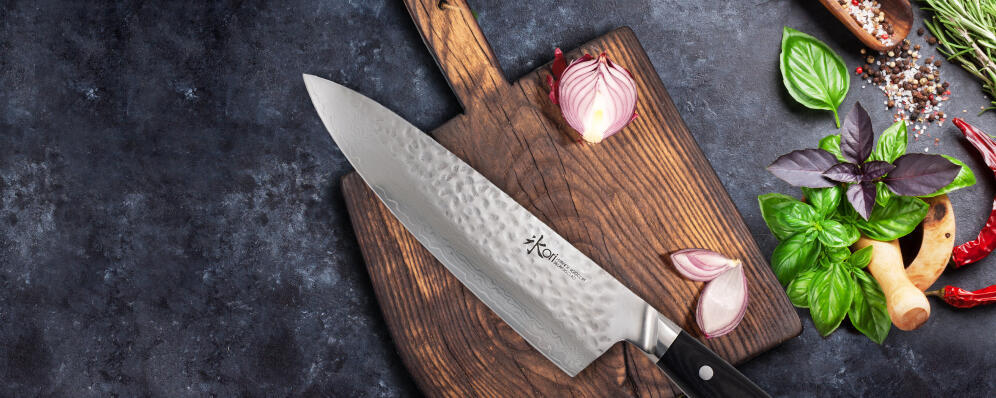
- Damascus Steel: Known for its distinctive wavy patterns, Damascus steel is created by layering different types of steel, then forging and folding them. This process can result in a blade that is both tough and capable of holding a very sharp edge, often prized for its beauty as much as its performance.
- Ceramic: Extremely hard and capable of taking an incredibly sharp edge, ceramic knives are lightweight and non-corrosive. Their brittleness, however, makes them prone to chipping if dropped or mishandled, and they require specialized sharpening tools.
Beyond material, the construction of the blade matters. Forged knives are crafted from a single piece of steel heated and hammered into shape, resulting in a heavier, more durable blade with a full tang (the part of the blade extending into the handle). Stamped knives are cut from a sheet of steel, typically lighter and more flexible. While both can be excellent, many prefer the balance and robustness of a forged knife for general tasks.
The Handle: Your Connection to the Blade
Often overlooked, the handle is critical for comfort, control, and safety. Materials like wood, composite, and synthetic polymers are common. The best handle will feel natural in your hand, offering a secure, non-slip grip. A well-balanced cooking knife will have its weight evenly distributed between the blade and the handle, making it feel like a seamless extension of your arm. As Chef Isabella Rossi, a renowned culinary instructor, often says, “A great knife isn’t just about the sharpness of its blade; it’s about how it sings in your hand. The handle is where that connection begins.”
Master Your Kitchen: Popular Types of Cooking Knives
The world of cooking knives offers a diverse array of tools, each designed for specific tasks. While an expansive collection can be impressive, a few key types form the backbone of any functional kitchen.
The Versatile Chef’s Knife (Western vs. Japanese)
If there’s one knife you absolutely need, it’s the chef’s knife. This all-purpose powerhouse is your go-to for chopping, slicing, dicing, and mincing. However, “chef’s knife” encompasses two primary styles:
- Western (German) Chef’s Knife: Typically 8-12 inches long, with a pronounced curve along the blade. This design is excellent for the “rocking” motion favored in Western cooking, making quick work of piles of vegetables and herbs. They tend to be heavier and thicker, built for robustness.
- Japanese Chef’s Knife (Gyutou, Santoku, Nakiri): Japanese knives like the Gyutou (similar to a Western chef’s knife but often thinner and lighter), Santoku (a shorter, straighter blade with a “sheepsfoot” tip), and Nakiri (a rectangular blade designed specifically for vegetables) are known for their exceptional sharpness and thinner blades, allowing for incredibly precise cuts. They often feature harder steel, holding an edge longer but sometimes requiring more delicate handling.
Precision in Your Palm: The Paring Knife
Small but mighty, the paring knife, usually 3-4 inches long, is your instrument for delicate, precise tasks. Think peeling fruits and vegetables, intricate garnishes, coring, or deveining. It offers unparalleled control for work that requires a lighter touch.
Beyond the Basics: Other Essential Cooking Knives
While a chef’s knife and a paring knife can handle most kitchen tasks, these specialized cooking knives can significantly enhance efficiency and enjoyment:
- Serrated/Bread Knife: With its scalloped edge, this knife glides effortlessly through items with tough crusts and soft interiors, like fresh bread or ripe tomatoes, without squishing them.
- Utility Knife: Falling in size between a paring knife and a chef’s knife, the utility knife is great for tasks that are too big for a paring knife but too small or delicate for a chef’s knife, such as slicing sandwiches or trimming smaller cuts of meat.
- Boning Knife: Featuring a thin, flexible blade, a boning knife is designed to separate meat from bone with precision, making it indispensable for preparing poultry, fish, and larger cuts of meat.
- Cleaver: The heaviest knife in the kitchen, a cleaver is built for power. Western cleavers are robust, designed to cut through bones and tough vegetables, while Chinese cleavers are often thinner and used for a wider range of tasks, including chopping and scooping.
Your Perfect Partner: A Guide to Choosing the Right Cooking Knife
Selecting the ideal cooking knives involves more than just picking the prettiest blade. It’s about finding tools that genuinely enhance your cooking experience.
- Consider Your Cooking Style: What do you cook most often? If you mostly chop vegetables, a Nakiri or Santoku might be a great fit. If you debone poultry regularly, a good boning knife is essential. For general all-purpose use, a quality chef’s knife is paramount.
- Blade Material and Maintenance: Are you meticulous about maintenance, or do you prefer something more forgiving? High-carbon steel offers superior sharpness but demands more care, while high-carbon stainless steel provides a good balance. Ceramic knives are low maintenance for staining but require careful handling to avoid chipping.
- Comfort and Balance: This is highly personal. A knife should feel like a natural extension of your hand. Test different grips and weights if possible. Some prefer the heft of a German-style knife, others the nimble feel of a Japanese blade. The handle shape, texture, and weight distribution all matter, especially for long prep sessions.
- Budget: Quality cooking knives are an investment, but you don’t need to break the bank. There are excellent options at various price points. Prioritize one or two high-quality essential knives over a large, mediocre set.
Becoming a Pro: Basic Grips and Usage Techniques for Cooking Knives
Even the best cooking knives are only as good as the hands that wield them. Mastering fundamental techniques will not only make you more efficient but also safer in the kitchen.
- The Pinch Grip: This is the safest and most common professional grip for a chef’s knife. Pinch the heel of the blade with your thumb and forefinger, wrapping your remaining fingers around the handle. This grip offers maximum control over the blade.
- The Rocking Motion: Ideal for Western chef’s knives, this technique involves keeping the tip of the blade on the cutting board while rocking the middle and heel of the blade up and down to chop ingredients.
- The Push Cut: Often favored with Japanese-style knives, this involves pushing the knife straight down and slightly forward through the food, without the rocking motion.
Keep Them Sharp: Tips for Care, Cleaning, and Sharpening Cooking Knives
Proper care is crucial for the longevity and performance of your cooking knives. A dull knife is not only inefficient but also more dangerous than a sharp one.
- Clean Immediately: After each use, wash your knives by hand with warm, soapy water and dry them thoroughly. Dishwashers can dull edges and corrode certain materials.
- Proper Storage: Avoid tossing knives loosely in a drawer where they can ding against other utensils. Use a knife block, a magnetic strip, or individual blade guards to protect edges.
- Honing vs. Sharpening: A honing steel (or ceramic rod) realigns the microscopic edge of a sharp blade, keeping it sharp. This should be done frequently. Actual sharpening, which removes a small amount of metal to create a new edge, is needed less often and can be done with a whetstone, pull-through sharpener, or professional service.
- Choose Your Board Wisely: Wooden or high-density plastic cutting boards are kinder to your knife edges than glass, stone, or metal, which can quickly dull them.
Why Invest? The Benefits of Quality Cooking Knives
Investing in high-quality cooking knives is an investment in your culinary journey, offering a multitude of benefits that extend far beyond simply cutting food.
- Enhanced Safety: A sharp, well-balanced knife is safer than a dull one. It glides through food with less effort, reducing the risk of slipping and accidents.
- Increased Efficiency: Quality cooking knives make prep work faster and easier, allowing you to enjoy the cooking process more and get dishes on the table sooner.
- Superior Results: Precise cuts lead to more even cooking and better presentation, elevating the quality of your meals.
- Durability and Longevity: Well-made cooking knives, especially those from reputable brands using superior materials, are built to last a lifetime with proper care. They maintain their edge longer and withstand the rigors of daily use.
- Pure Enjoyment: There’s a profound satisfaction that comes from working with a beautifully crafted, perfectly sharp knife. It transforms a mundane task into a joyful art.
Frequently Asked Questions About Cooking Knives
What is the most important cooking knife to own?
The chef’s knife is widely considered the most important and versatile cooking knife. It can handle a vast array of tasks, from chopping vegetables to slicing meats, making it indispensable for any kitchen.
How often should I sharpen my cooking knives?
You should hone your cooking knives frequently, often before or after each use, to realign the edge. Actual sharpening, which removes metal, is typically needed less often, perhaps every few months to once a year, depending on use.
What’s the difference between a German and Japanese chef’s knife?
German chef’s knives are generally heavier with a curved blade, ideal for a rocking motion. Japanese chef’s knives (like Gyutou) are often lighter, thinner, and sharper, favoring a push-cut technique and excelling in precision.
Can I put my cooking knives in the dishwasher?
No, it’s strongly recommended to hand wash your cooking knives immediately after use. Dishwashers can dull the blade, cause corrosion or rust, and even damage the handle materials due to harsh detergents and high heat.
What is a full tang, and why is it important for cooking knives?
A full tang means the blade extends in one piece through the entire length of the handle. This construction offers superior balance, strength, and durability, as the knife is less likely to break or loosen at the handle.
Conclusion
The world of cooking knives is rich with history, craftsmanship, and endless possibilities. From the ancient stone tools that fed our ancestors to the precision-engineered blades in modern kitchens, these essential instruments have always been at the heart of culinary creation. By understanding the different types, materials, and proper care techniques, you’re not just buying a tool; you’re investing in an experience. So, choose your cooking knives wisely, care for them diligently, and let them be your trusted companions on every delicious adventure.