In the vibrant world of culinary arts, a knife is far more than just a tool; it’s an extension of the chef’s hand, a partner in creation, and often, a cherished heirloom. While mass-produced knives serve their purpose, the realm of Custom Kitchen Knives offers an unparalleled experience, transforming everyday cooking into an act of personal expression and precision. These bespoke blades are not just made; they are meticulously crafted to fit your hand, your style, and your specific culinary demands, elevating both your technique and your joy in the kitchen.
A Legacy Forged: The History and Evolution of Custom Kitchen Knives
The story of the kitchen knife is as old as cooking itself, tracing back to the earliest tools for preparing food. For centuries, knives were inherently “custom” – fashioned by local blacksmiths to meet the individual needs of their users. With the advent of industrialization, mass production brought accessibility and affordability, but often at the cost of personalization and nuanced craftsmanship.
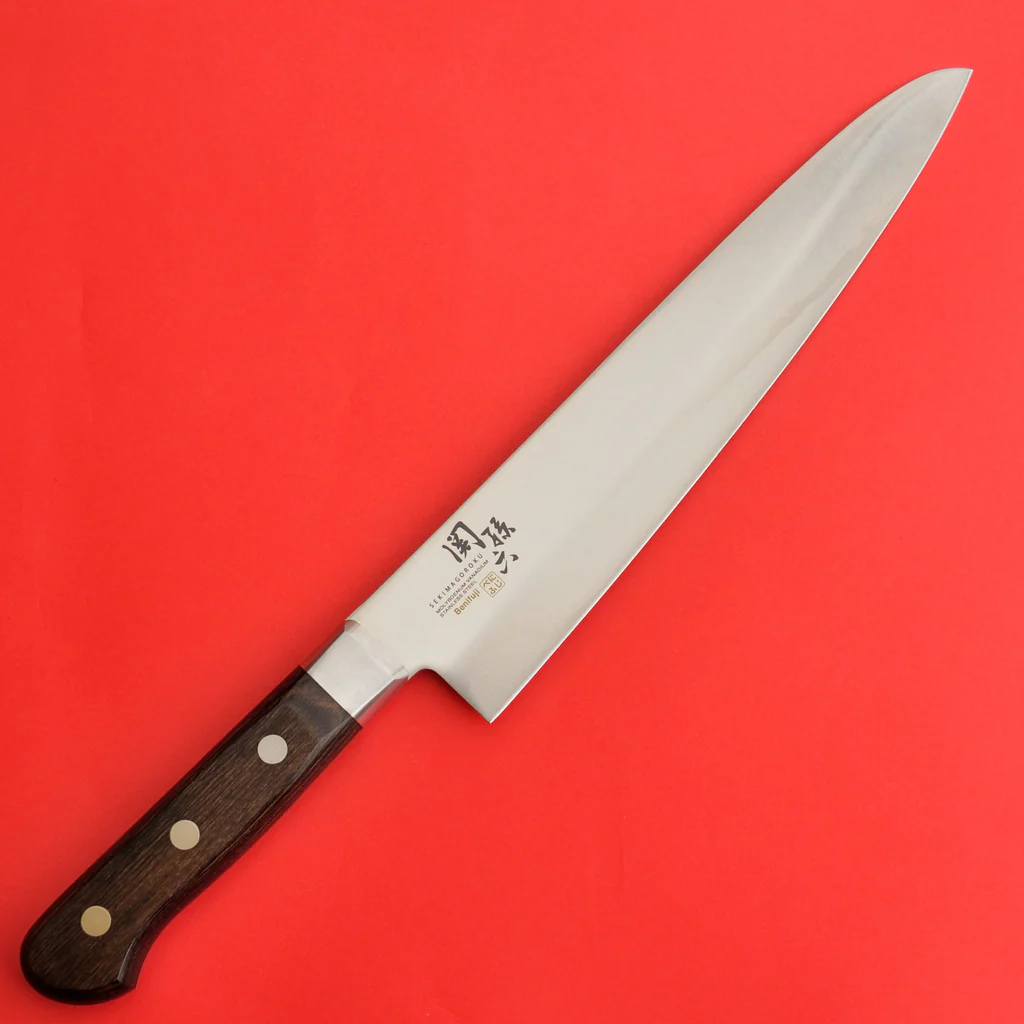
Today, there’s a resurgence of appreciation for the bespoke, with artisans drawing inspiration from the rich traditions of Japanese, French, and German blade design. Modern custom knife makers blend these classic aesthetics with contemporary materials and techniques, creating tools that honor history while pushing the boundaries of performance. This evolution from purely functional implements to highly personalized works of art underscores a deeper connection between the chef and their most vital tool.
Beyond the Blade: Key Components and Materials of Custom Kitchen Knives
The magic of a custom kitchen knife lies in the meticulous selection and integration of its core components, each chosen for optimal performance and personal preference.
The Blade: Heart of the Knife
The blade is, undeniably, the soul of any knife. For custom kitchen knives, makers carefully select premium steels to achieve specific characteristics:
- Steel Types: You’ll find a spectrum of options, including various high-carbon stainless steels like 154CM, CPM-154, and CPM-S30V, known for their impressive hardness and edge retention. Some makers also utilize German stainless steel, such as 1.4116, often hand-finished to a razor-sharp 15° edge. Additionally, traditional carbon steels are favored by many for their exceptional sharpness and ease of resharpening, though they require more diligent care to prevent rust.
- Performance Properties: Regardless of the steel, the goal is superior performance. This means achieving exceptional sharpness, maintaining that keen edge through extensive use (edge retention), and possessing high abrasion resistance to withstand the rigors of the kitchen. Each blade is engineered for durability, promising a tool that will stand the test of time.
- Blade Finishes: Beyond the steel, the finish adds to both the aesthetics and durability. Common options include stonewashed, which provides a rugged, matte look and helps conceal minor scratches, and satin finishes, offering a refined, polished appearance.
The Handle: An Extension of Your Hand
A knife is only as good as how it feels in your hand, and custom handles are where ergonomics truly shine.
- Material Diversity: The choices are vast and varied, ranging from the timeless beauty of exotic woods and intricate burls to modern synthetics like carbon fiber and G-10 (fiberglass composite), and even more utilitarian options such as Richlite or Grivory®. For those seeking true luxury, some artisans incorporate precious metals or embedded gems.
- Ergonomics and Comfort: This is where customization makes a profound difference. Custom handles are meticulously designed to fit the unique contours of your hand, accommodating specific hand sizes, grip styles, and even strength levels. Makers can tailor handles for individuals who have suffered hand injuries or experience conditions like arthritis, ensuring optimum comfort and reduced fatigue during prolonged use. The balance of the knife, how it feels in your hand, is also a critical consideration, contributing to effortless control and precision.
The Craftsmanship: Art and Science Intertwined
What truly sets custom kitchen knives apart is the human element behind their creation. These are not merely assembled; they are often hand-forged, shaped, ground, and polished with meticulous attention to detail. This dedication to precision engineering, drawing on decades of knife-making expertise, ensures that each knife is not just a tool, but a unique piece reflecting individuality and a commitment to excellence.
Your Culinary Signature: What Makes Custom Kitchen Knives Special?
Investing in a custom kitchen knife opens up a world of benefits that mass-produced options simply cannot match. It’s about owning a tool that truly resonates with you and enhances your culinary journey.
Unparalleled Personalization
The ability to personalize every aspect of your knife is perhaps the most compelling reason to go custom. You can specify the blade shape and length to suit your most frequent tasks, choose a blade finish that appeals to your aesthetic, and select handle materials and colors that reflect your personal style. Many makers also offer custom engraving, allowing you to add a monogram, meaningful message, date, logo, or even original artwork, transforming the knife into a truly unique personal treasure or an unforgettable gift.
Superior Performance
Custom knives are built for purpose. The choice of premium steels and the expert heat treatment mean these blades achieve and maintain a far sharper edge than commercial alternatives. This translates to effortless slicing, dicing, and chopping, improving your efficiency and the quality of your cuts. They are designed with advanced alloy properties that resist abrasion and maximize edge retention, ensuring peak performance meal after meal.
Perfect Ergonomics
A custom knife feels like an extension of your own hand. Because the handle can be tailored to your exact specifications – hand size, grip style, and even specific needs like accommodating hand injuries or arthritis – you experience unparalleled comfort and control. This precise fit significantly reduces hand fatigue, allowing you to work longer and more comfortably in the kitchen.
Durability and Longevity: A Lifetime of Pleasure
Crafted with a commitment to excellence and using premium, durable materials, a custom kitchen knife is built to last. Many custom makers emphasize creating knives that will become cherished family heirlooms, “handed down for generations.” This dedication to quality ensures a lifetime of service and enjoyment, making it a sustainable choice that avoids the cycle of disposability. Some even offer lifetime sharpening and maintenance services, further cementing their long-term value.
Aesthetic Appeal: A Work of Art
Beyond functionality, custom kitchen knives are often stunning works of art. The unique materials, bespoke designs, and artisan craftsmanship combine to create a tool that is as beautiful as it is functional. Owning such a piece brings a deep sense of pride and elevates the aesthetic of any kitchen.
Choosing Your Culinary Companion: A Guide to Selecting the Perfect Custom Kitchen Knife
Selecting a custom kitchen knife is an exciting journey of self-discovery and collaboration with an artisan. Here’s how to navigate the process:
1. Identify Your Culinary Needs
Start by honestly assessing your cooking style. What kind of food do you prepare most often? What are your primary cutting tasks (e.g., precise vegetable work, butchering, general chopping)? Do you prefer a heavier or lighter knife? Understanding your daily routine will guide your choices.
2. Blade Considerations
- Steel Type: Do you prioritize ultimate sharpness and easy resharpening (carbon steel), or corrosion resistance and lower maintenance (stainless steel)? Research specific alloy properties like those offered by advanced stainless steels for maximum edge retention.
- Blade Profile and Length: A general chef’s knife is versatile, but you might want a specialized santoku, utility, or paring knife. Consider how different lengths feel and function in your hand and on your cutting board.
3. Handle Considerations
- Material: Think about durability, grip texture, aesthetics, and maintenance. Do you prefer the warmth and natural feel of exotic wood, or the modern, robust nature of carbon fiber or G-10?
- Ergonomics: Discuss your hand size, grip preference (e.g., pinch grip), and any specific ergonomic needs you might have. A reputable maker can design a handle that perfectly molds to your hand, optimizing comfort and control.
4. Research the Artisan
Look for knife makers whose style, philosophy, and expertise resonate with you. Review their portfolio, read testimonials, and understand their commitment to quality. A good relationship with your maker is key to achieving your ideal knife. They are the experts, and their insights are invaluable.
5. Define Your Budget
Custom knives are an investment in quality and craftsmanship. Prices vary widely based on materials, complexity, and the maker’s reputation. Be realistic about your budget, but remember that a high-quality custom knife is a long-term asset.
Mastering Your Blade: Essential Techniques for Custom Kitchen Knives
A custom knife, perfectly balanced and razor-sharp, can transform your cutting techniques. Here are some fundamental pointers:
The Proper Grip
For most tasks, the “pinch grip” is paramount. Pinch the blade between your thumb and forefinger, holding the handle with the remaining fingers. This grip offers superior control, balance, and leverage, allowing the knife to become a true extension of your arm.
Fundamental Cutting Techniques
Practice basic cuts like the rocking motion for chopping herbs, the push cut for dicing vegetables, and clean slices for proteins. Allow the knife’s sharpness and weight to do the work; avoid forcing the blade. Focus on fluid, controlled movements, guided by the knife’s superior balance and edge.
Safety First, Always
A sharp knife is a safe knife, as it requires less force and is less likely to slip. Always use a stable cutting board, keep your free hand’s fingertips tucked back (the “claw” grip), and pay full attention to the task at hand. When not in use, ensure your custom knife is stored safely to protect its edge and prevent accidents.
Caring for Your Heirloom: Maintenance Tips for Custom Kitchen Knives
To ensure your custom kitchen knife performs at its peak and lasts for generations, proper care is essential.
Immediate Cleaning
Always hand wash your knife immediately after use with warm, soapy water. Never leave it to soak, especially if it has a carbon steel blade or an exotic wood handle. Harsh dishwasher detergents and high heat can damage the blade, dull the edge, and degrade handle materials.
Thorough Drying
After washing, thoroughly dry your knife with a soft cloth. Moisture is the enemy of steel, particularly carbon steel, which can rust quickly. Even stainless steels benefit from being kept dry to prevent water spots and maintain their finish.
Safe Storage
Protecting the sharp edge and preventing damage is crucial. Store your custom knife in a knife block, on a magnetic strip, or in a dedicated blade guard or saya (sheath). Avoid tossing it into a drawer with other utensils where the edge can chip or dull.
Sharpening and Honing
Regular honing with a ceramic or steel honing rod will realign the blade’s edge between sharpenings, maintaining its keenness. For actual sharpening, consider professional services from a reputable sharpener. Some custom knife makers offer lifetime sharpening and maintenance programs, such as Benchmade’s LifeSharp service, ensuring your blade remains in optimal condition for its entire lifespan.
The Unrivaled Edge: The Benefits of Investing in Custom Kitchen Knives
The decision to invest in a custom kitchen knife is a commitment to quality, performance, and personal satisfaction. The benefits extend far beyond the cutting board:
- Enhanced Cooking Experience: A knife that feels perfectly balanced and effortlessly sharp transforms the mundane task of food preparation into a truly enjoyable and efficient experience.
- Improved Precision and Efficiency: With a blade tailored to your needs and incredibly sharp, you’ll achieve finer cuts, consistent results, and complete tasks with greater speed and less effort.
- Reduced Hand Fatigue: The ergonomic design, custom-fitted to your hand, means less strain and discomfort, even during extensive cooking sessions.
- Pride of Ownership: There’s a profound satisfaction in owning a tool that is uniquely yours, crafted with skill and passion, and designed to perform flawlessly.
- A Lasting Legacy: Unlike disposable tools, a well-cared-for custom kitchen knife becomes a part of your family’s story, a functional heirloom to be passed down and cherished for generations.
Frequently Asked Questions
What is the main difference between a custom kitchen knife and a mass-produced one?
A custom kitchen knife is handcrafted and often tailored to individual specifications, including blade material, handle design, and ergonomics, offering superior performance, personalization, and longevity compared to uniformly manufactured mass-produced knives.
How long does it typically take to get a custom kitchen knife made?
The timeframe varies significantly depending on the maker’s backlog, the complexity of the design, and the materials used. It can range from a few weeks to several months, or even over a year for highly sought-after artisans.
Are custom kitchen knives worth the investment?
For serious home cooks, culinary professionals, or anyone who values precision, ergonomics, durability, and a personalized tool, custom kitchen knives are widely considered a worthwhile investment that enhances the cooking experience and provides a lasting asset.
What kind of steel is best for a custom kitchen knife?
The “best” steel depends on personal preference for edge retention, toughness, ease of sharpening, and corrosion resistance. Popular choices include high-carbon stainless steels like CPM-S30V for excellent edge retention and various carbon steels for superior sharpness.
How do I care for my custom kitchen knife?
To care for your custom kitchen knife, always hand wash it immediately after use with warm, soapy water, then thoroughly dry it. Store it safely in a block, magnetic strip, or sheath, and hone the edge regularly. Avoid dishwashers and harsh chemicals.
Can custom knives be repaired if damaged?
Many custom knife makers offer repair services for their own work, especially if the damage is minor. For more significant damage, it’s always best to consult the original maker or a highly reputable knife repair specialist.
Is it possible to customize the handle for specific hand conditions like arthritis?
Yes, absolutely. One of the significant advantages of custom kitchen knives is the ability to design the handle specifically for optimum comfort and ergonomics, accommodating individual needs such as hand size, grip style, strength, or conditions like arthritis.
Conclusion
The journey into the world of custom kitchen knives is an exploration of precision, artistry, and personal connection to the tools of your trade. From the carefully selected steels that form a razor-sharp edge to the ergonomic handles crafted to fit your unique grip, every element is a testament to bespoke quality. Investing in a custom knife is not just acquiring a utensil; it’s embracing a culinary companion that will inspire confidence, elevate your skills, and stand as a symbol of your passion for food. Step into the realm where your knife is truly an extension of yourself, and discover the unparalleled joy and efficiency it brings to every dish you create.