Stepping into the world of high-end kitchen tools, the Damascus Steel Chef Knife immediately captures attention. More than just a utensil, it’s a culinary masterpiece, a testament to both ancient craftsmanship and modern engineering that elevates your cooking experience. This isn’t merely about cutting ingredients; it’s about connecting with a blade that feels like an extension of your hand, offering unparalleled sharpness and stunning aesthetics.
The Ancient Art Meets Modern Kitchen: A Brief History of Damascus Steel
The legend of Damascus steel harks back to ancient times, with tales of extraordinary swords from the Middle East renowned for their exceptional strength, flexibility, and distinctive watery patterns. The precise methods of forging this ancient steel were lost to history for centuries, shrouded in mystery and folklore. However, modern metallurgy, particularly in Japan, successfully revived the spirit of Damascus steel through advanced layering and folding techniques. Today’s damascus steel chef knife replicates these mesmerizing patterns by forging multiple layers of different steels together, creating a blade that is as visually captivating as it is functional. This layered construction isn’t just for show; it enhances the blade’s resilience and edge retention, marrying historical mystique with contemporary performance.
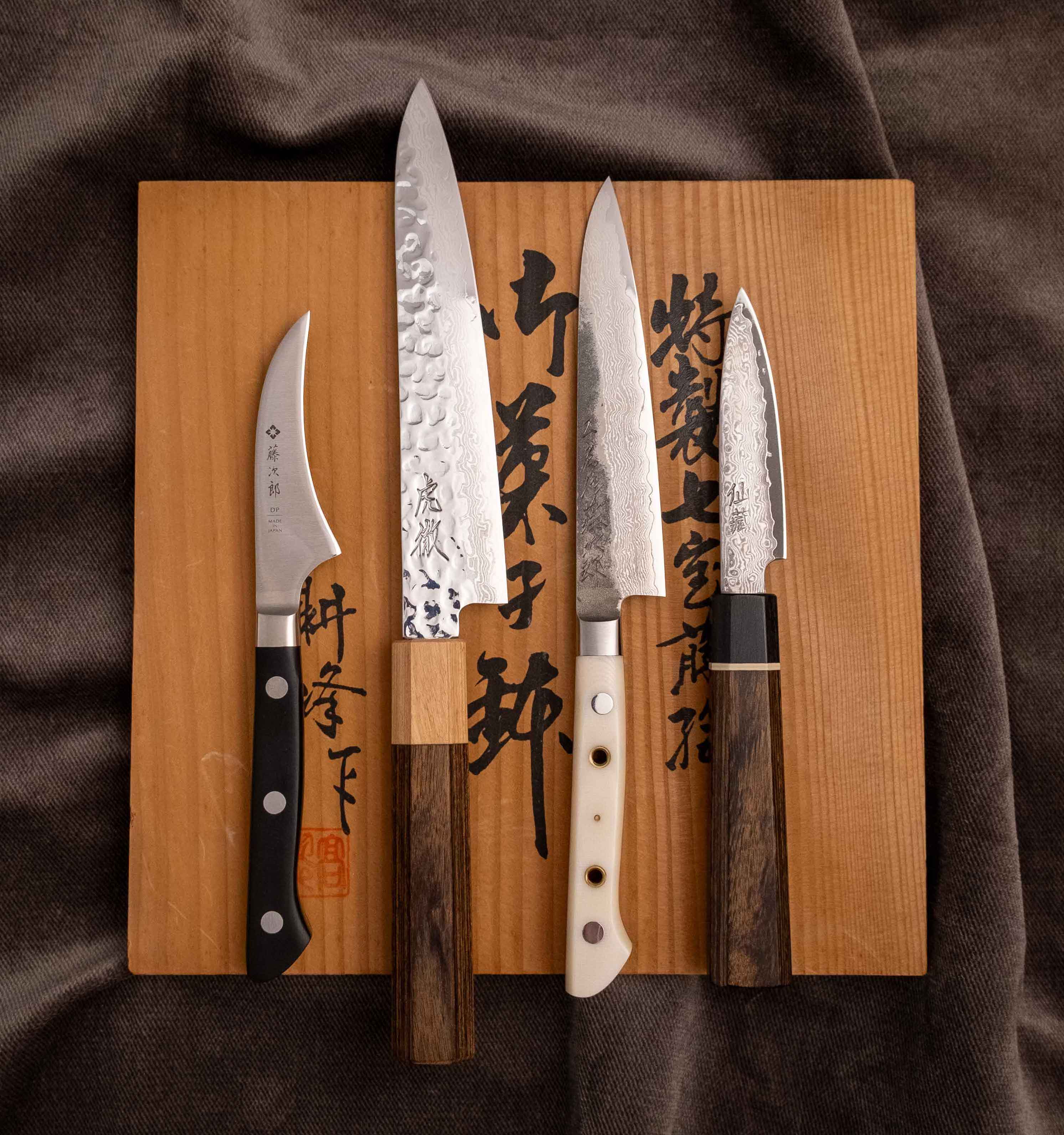
Anatomy of Excellence: Key Components of a Damascus Steel Chef Knife
Understanding the intricate components of a damascus steel chef knife helps appreciate its superior qualities. Each part is meticulously designed to contribute to the knife’s overall balance, durability, and cutting prowess.
The Blade: Heart of the Knife
At the core of many high-quality Damascus chef knives lies a super-hard steel, often referred to as the “core steel.” This core, typically made from high-carbon stainless steels like VG-10 or AUS-10, is responsible for the blade’s exceptional sharpness and impressive edge retention. Surrounding this robust core are numerous layers of softer and harder steels, meticulously forged together to create the iconic Damascus pattern. These layers, often numbering 66, 67, or even more, provide flexibility, protect the brittle core, and contribute to the blade’s overall toughness. The Rockwell Hardness (HRC) rating for these blades commonly ranges from 58+ to 62, indicating a remarkable ability to hold a sharp edge without being overly prone to chipping. This combination of a hard core and layered cladding creates a blade that can withstand the rigors of daily kitchen tasks while maintaining its razor-sharp precision.
The Handle: Grip and Comfort
A chef knife is only as good as how it feels in your hand, and the handle plays a pivotal role in this. Damascus steel chef knives feature handles crafted from a variety of premium materials, each offering unique benefits. Common materials include:
- Resin Burl Wood: Offers stunning visual appeal with unique patterns and a comfortable, secure grip.
- Stabilized Woods (e.g., Sycamore): Provide a natural feel, often treated to resist moisture and enhance durability.
- G10: A highly durable fiberglass laminate known for its excellent grip even when wet, and its resistance to temperature changes.
- POM (Polyoxymethylene): A high-performance engineering polymer offering a robust, low-maintenance, and ergonomic grip.
Beyond the material, the design of the handle, often featuring a full tang construction, ensures perfect balance and durability. A well-balanced knife reduces fatigue during prolonged use, making intricate cutting tasks feel effortless.
A Blade for Every Task: Popular Types of Damascus Steel Chef Knives
While the term “chef knife” often refers to a specific shape, Damascus steel is used in various kitchen knife types, each designed for particular tasks.
The Gyuto (Chef’s Knife)
The Gyuto is the Japanese equivalent of the Western chef’s knife and is arguably the most versatile knife in any kitchen. Typically ranging from 8 to 10 inches, its gently curved blade allows for a smooth rocking motion, making it ideal for slicing, dicing, and mincing a wide array of ingredients, from vegetables to larger cuts of meat. A Damascus Gyuto offers this universal functionality with added elegance and superior edge performance.
The Santoku
Meaning “three virtues” (referring to meat, fish, and vegetables), the Santoku knife is another popular all-purpose choice. It usually features a flatter blade profile and a “sheepsfoot” tip, making it excellent for push cuts and precise slicing. Its shorter blade, often 6 to 7 inches, makes it highly maneuverable, especially in smaller kitchens or for cooks who prefer a more compact knife.
The Nakiri
For vegetable lovers, the Nakiri is a specialized blade. With its straight edge and blunt tip, it’s designed specifically for chopping and slicing vegetables with ultimate precision, allowing for clean, swift cuts without rocking. The flat profile ensures full contact with the cutting board, preventing “accordion cuts.”
The Kiritsuke
A hybrid knife, the Kiritsuke combines elements of a Gyuto and a Yanagiba (slicing knife). It typically features a straight edge for push cuts and a sharply angled “k-tip” for precise tip work and delicate slicing. Traditionally used by head chefs in Japan, a Damascus Kiritsuke embodies skill and authority in the kitchen.
Choosing Your Culinary Companion: How to Select the Perfect Damascus Steel Chef Knife
Selecting the right damascus steel chef knife is a personal journey, influenced by your cooking style, preferences, and aesthetic appreciation. Here’s what to consider:
- Assess Your Needs: What do you cook most often? If you handle a variety of ingredients, a versatile Gyuto or Santoku might be best. For heavy vegetable prep, a Nakiri could be a game-changer.
- Blade Material and Layers: Look for a high-quality core steel like VG-10 or AUS-10. While the number of layers influences the pattern’s complexity, more layers generally mean increased flexibility and durability.
- Handle Comfort and Balance: Hold the knife. Does it feel balanced in your hand? Is the grip comfortable and secure? Different handle materials offer distinct feels, so consider what works best for you. A full tang ensures robust construction and balance.
- Reputation and Craftsmanship: Research brands known for Japanese craftsmanship, especially those from regions like Seki, Japan, often called “The City of Blades.” These areas have a legacy of producing exceptional knives.
- Aesthetic Appeal: The beautiful, unique patterns of Damascus steel are a significant draw. Choose a pattern that speaks to you, as this knife will be a centerpiece in your kitchen.
“A truly great knife feels like an extension of your hand, and with Damascus steel, you get that effortless precision coupled with a timeless beauty,” says Chef Akira Sato, a renowned expert in Japanese culinary arts.
Mastering the Blade: Techniques for Using Your Damascus Steel Chef Knife
Once you’ve acquired your exquisite damascus steel chef knife, mastering basic techniques will unlock its full potential and ensure safe, efficient use.
Proper Grip (The Pinch Grip)
The pinch grip is the most common and effective way to hold a chef’s knife. Pinch the heel of the blade between your thumb and forefinger, wrapping the remaining fingers around the handle. This grip gives you maximum control over the blade, enhancing precision and reducing wrist fatigue.
Basic Cutting Techniques
- Rocking Motion: Ideal for dicing and mincing, especially with a Gyuto. Keep the tip of the knife on the cutting board and rock the blade through the food, bringing the heel down with each pass.
- Push Cut: Excellent for more delicate ingredients or when using a Santoku or Nakiri. Push the blade forward and down through the food in a single, controlled motion.
- Slicing: For larger items or when needing thin, even slices, use a smooth, drawing motion, letting the blade do the work.
Safety Tips
Always maintain a stable cutting board, keep your guiding hand’s fingertips tucked under (the “claw” grip), and always cut away from your body. A sharp knife is a safe knife, as it requires less force and is less likely to slip.
Preserving the Masterpiece: Care and Maintenance for Damascus Steel Knives
To ensure your damascus steel chef knife remains a pristine and high-performing tool for years to come, proper care and maintenance are crucial.
Cleaning
Always wash your Damascus steel knife by hand immediately after use. Use warm water and a mild dish soap, and gently clean the blade and handle. Never put your Damascus knife in the dishwasher. The harsh detergents, high heat, and aggressive spraying can cause corrosion, rust, and dulling of the delicate edge and handle materials.
Storage
Proper storage protects your blade and ensures safety. Options include:
- Knife Block: A classic and safe way to store knives, protecting the edge.
- Magnetic Knife Strip: Conveniently displays your knives and keeps them easily accessible.
- Knife Roll or Sheath: Ideal for transportation or protecting individual blades.
Sharpening
Even the finest Damascus steel will eventually require sharpening. For optimal results, use a high-quality whetstone. Start with a coarser grit to re-establish the edge, then move to finer grits for refining and polishing. If you’re not comfortable sharpening yourself, seek out a professional knife sharpener to maintain its exquisite edge. Regular honing with a ceramic or steel rod between sharpenings will help maintain the edge for longer.
Beyond the Edge: The Value of Investing in a Quality Damascus Steel Chef Knife
The decision to invest in a damascus steel chef knife goes beyond simply acquiring a new kitchen tool. It’s an investment in your culinary passion and experience.
- Durability and Longevity: Crafted from multiple layers and a strong core, these knives are built to last a lifetime, often becoming cherished heirlooms. Their robust construction makes them harder to crack and more resistant to wear and tear.
- Enhanced Cooking Experience: The superior sharpness and balance transform cooking from a chore into a joy. Precise cuts, effortless slicing, and reduced fatigue make every minute in the kitchen more enjoyable and efficient.
- Aesthetic Appeal: With their unique, mesmerizing patterns, Damascus steel knives are not just tools but works of art. They add a touch of sophistication and elegance to any kitchen, reflecting a chef’s appreciation for beauty and quality.
- Edge Retention: The unique metallurgical properties mean these blades hold their keen edge for significantly longer than conventional knives, reducing the frequency of sharpening.
Frequently Asked Questions (FAQ)
What makes Damascus steel special for a chef knife?
Damascus steel is special due to its unique layered construction, which provides a combination of exceptional sharpness, enhanced durability, and a distinctive, beautiful wavy pattern. This layering technique, often around a hard core steel, results in a blade that performs exquisitely and stands out aesthetically.
Is Damascus steel truly superior to other knife steels?
While “superior” can be subjective, high-quality Damascus steel knives, particularly those with a VG-10 or AUS-10 core, offer excellent edge retention, toughness, and visual appeal that many other steels cannot match. They often represent a premium option for serious cooks seeking both performance and beauty.
How often should I sharpen my Damascus chef knife?
The frequency of sharpening depends on usage, but a well-made Damascus steel chef knife holds its edge for a long time. You might need to hone it every few weeks with a ceramic rod and true sharpening with a whetstone a few times a year, or as needed when it no longer cuts effortlessly.
Can I put my Damascus knife in the dishwasher?
Absolutely not. Dishwashers use harsh detergents and high temperatures that can severely damage both the delicate Damascus steel blade (causing rust and corrosion) and the handle materials. Always hand wash and dry your Damascus steel chef knife immediately after use.
What’s the difference between VG-10 and AUS-10 Damascus steel?
Both VG-10 and AUS-10 are popular high-carbon stainless steels used as the core for Damascus knives. VG-10 (often Japanese) is known for its excellent edge retention and hardness. AUS-10, also a high-carbon stainless steel, offers a good balance of hardness, toughness, and corrosion resistance, often being slightly easier to sharpen than VG-10 while still providing strong performance.
Conclusion
The damascus steel chef knife is far more than a kitchen tool; it is an investment in culinary excellence, a tribute to centuries of metallurgical artistry, and a functional work of art. From its storied history to its meticulous modern construction, every aspect of a Damascus blade speaks of quality, precision, and beauty. By choosing wisely and providing proper care, your Damascus steel chef knife will not only enhance your cooking experience but will also become a cherished companion in your kitchen, inspiring you with every cut. Embrace the elegance and performance of Damascus steel, and elevate your culinary journey to new heights.