Stepping into the kitchen, many of us reach for a trusty knife, a fundamental tool that transforms raw ingredients into culinary masterpieces. But what if that knife wasn’t just a tool, but a work of art, a piece of history, and a testament to unparalleled craftsmanship? This is where Damascus Steel Kitchen Knives enter the scene, captivating chefs and home cooks alike with their breathtaking patterns and legendary performance. These aren’t just blades; they are heirlooms, promising an elevated cooking experience from the first slice to the last.
The Ancient Craft: A Glimpse into Damascus Steel’s Rich History
Imagine a time when warriors wielded swords shimmering with a distinctive, wavy pattern – blades renowned for their exceptional strength and razor-sharp edges. That’s the ancient legacy of Damascus steel, a material whose origins trace back centuries to the Middle East, particularly around Damascus, Syria. The exact methods of its original creation were lost to time, shrouded in mystery and legend. However, the allure of these “pattern-welded” blades, with their intricate designs reminiscent of flowing water, never faded.
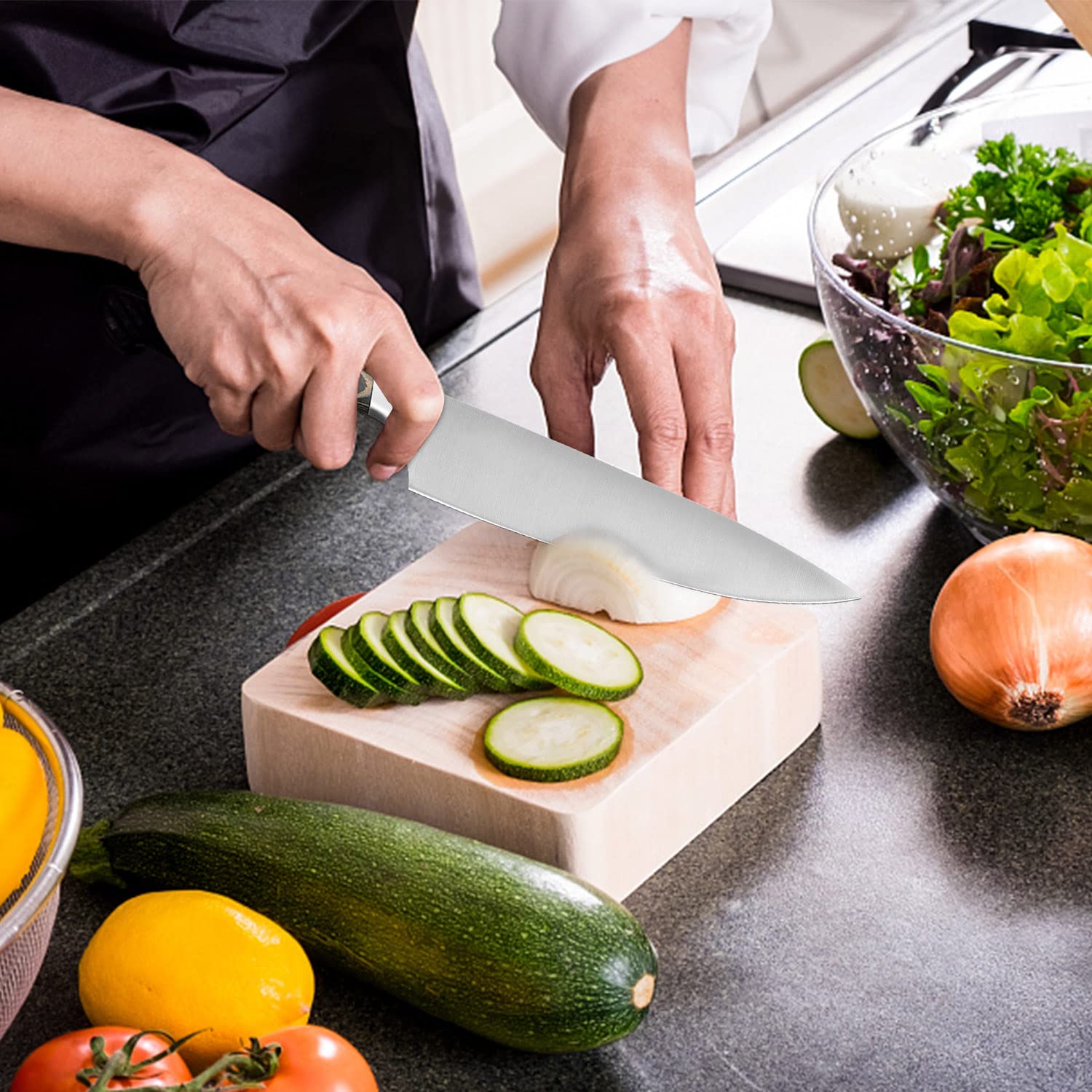
Fast forward to today, and modern blacksmiths and metallurgists have painstakingly revived and refined these ancient techniques. While today’s Damascus steel isn’t identical to its ancient predecessor in metallurgical composition, it embodies the spirit of its historical namesake through a meticulous process of layering and forging different types of steel. This revival has brought the beauty and performance of Damascus steel kitchen knives back to the forefront, allowing us to experience a slice of history with every meal we prepare.
What Makes Damascus Steel Kitchen Knives Truly Special?
It’s easy to be drawn in by the visual appeal of a Damascus steel kitchen knife, but its beauty goes far beyond skin deep. These blades offer a combination of characteristics that set them apart in the culinary world.
The Signature Layered Patterns: More Than Just a Pretty Face
The distinctive wavy patterns that swirl across a Damascus blade are its most recognizable feature. These aren’t etched on; they’re the physical manifestation of the unique forging process. Multiple layers of different steels are folded, heated, and hammered together repeatedly. When the blade is finished and etched, these layers reveal themselves, creating a one-of-a-kind visual masterpiece on every single knife. It’s like having a fingerprint on your blade – no two are exactly alike.
Exceptional Sharpness and Edge Retention
Beneath that stunning exterior lies the heart of a high-performance tool. Many modern Damascus steel kitchen knives feature a core of very hard, high-carbon steel, often referred to as the “super steel” (like AUS-10V or VG-10). This core is what forms the incredibly sharp cutting edge. The surrounding softer layers of Damascus steel provide support and flexibility, allowing the blade to achieve and maintain a razor-sharp edge for significantly longer periods than many conventional knives. This means less frequent sharpening and more consistent performance during your cooking tasks.
Strength and Durability
The layered construction of Damascus steel isn’t just for looks or edge retention; it also contributes significantly to the knife’s overall strength and durability. By combining different types of steel, the forging process creates a blade that is both tough and resilient. It’s designed to resist chipping and breaking, making it a reliable workhorse in a busy kitchen. “A well-made Damascus blade is a testament to the idea that beauty and brawn can coexist,” says Chef Elena Petrova, a veteran culinary instructor. “Its inherent strength means it stands up to the demands of daily professional use, a quality every chef values deeply.”
Corrosion Resistance
While traditional Damascus steel could be prone to rust, modern Damascus steel kitchen knives often incorporate stainless steel layers or a stainless core. This blend offers the best of both worlds: the stunning aesthetics and performance of Damascus steel combined with improved resistance to corrosion and rust. However, it’s still crucial to remember that even with enhanced resistance, proper care is essential to maintain the blade’s integrity and beauty.
Flexibility and Balance
The careful layering of different steels also imbues Damascus knives with a remarkable balance of hardness and flexibility. This isn’t just theoretical; it translates into practical benefits in the kitchen. A well-balanced Damascus knife feels like an extension of your hand, allowing for precise control and reducing fatigue during long prep sessions. This enhanced control is paramount for intricate tasks, from fine brunoise to delicate filleting.
Anatomy of Excellence: Components and Materials
A Damascus steel kitchen knife is more than just a blade; it’s a complete system designed for optimal performance.
The Blade
As discussed, the blade is the star. It typically consists of a hard steel core that holds the primary edge, surrounded by many layers of softer steel forged onto it. This cladding not only creates the beautiful Damascus pattern but also adds a protective layer and contributes to the blade’s resilience. The quality of both the core steel and the layered cladding directly impacts the knife’s performance and longevity.
The Handle
Equally important to the blade is the handle. A comfortable, ergonomic handle is crucial for ease of use and safety. Damascus steel kitchen knives often feature handles crafted from premium materials like stabilized hardwoods (such as exotic ebony or rosewood), composite materials (like G-10 or Micarta), or even elegantly designed synthetic options. The handle’s shape, weight, and grip all play a vital role in how the knife feels in your hand, influencing balance and control. A full tang construction, where the blade material extends fully through the handle, is also a sign of robust construction and superior balance.
Beyond the Chef’s Knife: Exploring Popular Damascus Knife Types
While the classic chef’s knife often comes to mind, Damascus steel craftsmanship extends to a variety of kitchen knife styles, each designed for specific culinary tasks.
Chef’s Knife (Gyuto)
The undisputed king of the kitchen, a Damascus steel chef’s knife (often a Gyuto in Japanese styling) is a versatile workhorse. Its curved blade allows for a fluid rocking motion, making it ideal for chopping vegetables, slicing meats, and mincing herbs. If you’re looking for an all-purpose knife that excels at most daily kitchen tasks, a Damascus chef’s knife is an excellent choice.
Santoku Knife
Hailing from Japan, the Santoku is another popular all-purpose knife, known for its flatter blade profile and often a “sheep’s foot” tip. Its design is perfect for push-cutting and delicate slicing, making it a favorite for preparing vegetables, fish, and smaller cuts of meat. The word “Santoku” itself translates to “three virtues” or “three uses” – slicing, dicing, and mincing.
Paring Knife
For intricate tasks that require ultimate precision, a small Damascus steel paring knife is indispensable. Its short, sharp blade is perfect for peeling fruits and vegetables, deveining shrimp, or creating decorative garnishes.
Beyond these, you might find Damascus steel versions of bread knives, carving knives, utility knives, and more, each bringing the aesthetic and performance benefits of Damascus steel to specialized roles.
Choosing Your Perfect Damascus Steel Kitchen Knife
Investing in a Damascus steel kitchen knife is a personal journey. With so many options, how do you pick the right one?
Assess Your Culinary Needs
Start by considering what you cook most often. Do you need an all-rounder like a chef’s knife, or are you looking to specialize with a Santoku or paring knife? Matching the knife style to your primary tasks is key to maximizing its utility.
Blade Material and Core Steel
Look for information on the core steel used in the blade. High-carbon stainless steels like VG-10 or AUS-10V are excellent choices, offering superb edge retention and durability. Pay attention to the clarity and intricacy of the Damascus pattern; a well-defined pattern often indicates quality craftsmanship.
Handle Comfort and Ergonomics
If possible, hold the knife before you buy. The handle should feel comfortable and secure in your hand, offering a balanced grip without feeling too heavy or light. A good handle ensures precision and reduces hand fatigue.
Brand Reputation and Reviews
Research reputable knife makers known for their quality Damascus steel kitchen knives. Customer reviews and expert opinions can provide valuable insights into a knife’s performance and durability. A brand that stands behind its products with good warranties is always a plus.
Price vs. Investment
Damascus steel kitchen knives can be more expensive than standard knives, but think of it as an investment. A quality Damascus knife, with proper care, can last a lifetime, becoming a cherished tool that enhances your cooking experience for years to come.
Mastering the Blade: Techniques for Using Damascus Steel Kitchen Knives
A premium knife deserves proper handling. Learning basic techniques will not only make you more efficient but also safer in the kitchen.
The Proper Grip
The “pinch grip” is widely recommended by chefs for maximum control. Hold the knife with your thumb on one side of the blade and your index finger on the opposite side, just in front of the handle. Wrap your remaining fingers around the handle. This grip offers superior control over the blade, allowing for precision cuts.
Cutting Techniques
Practice fundamental cutting techniques like slicing, dicing, and mincing. The exceptional sharpness of Damascus steel kitchen knives means you’ll need less force, reducing the risk of slippage. Always let the knife do the work, using its sharpness to glide through ingredients rather than brute force.
Safety First
Always prioritize safety. Keep your free hand’s fingertips tucked back, forming a “claw” grip to protect them. Use a stable cutting board, ideally wood or soft plastic, to prevent the blade from slipping and to protect its edge. Never try to catch a falling knife.
Preserving Your Masterpiece: Care, Cleaning, and Sharpening
To ensure your Damascus steel kitchen knives retain their beauty and unparalleled performance for generations, proper care is non-negotiable.
Why Proper Care Matters
Think of your Damascus knife as a high-performance vehicle; it needs regular maintenance to run optimally. Neglect can lead to dullness, rust, and even damage to the intricate patterns, diminishing both its utility and aesthetic appeal.
Cleaning Your Damascus Knife
The golden rule is simple: Hand wash immediately after each use. Use mild soap and warm water, then rinse thoroughly. Immediately dry the blade and handle completely with a soft cloth. Moisture is the enemy, especially for the high-carbon components, and can lead to rust spots or discoloration. Never, ever put a Damascus steel kitchen knife in the dishwasher. The harsh detergents, high heat, and aggressive spraying can damage the blade, dull the edge, and degrade the handle materials.
Storage Solutions
Proper storage protects your blade and ensures safety. Options include:
- Knife Blocks: Keep blades safely housed and protected.
- Magnetic Strips: A visually appealing way to display and store knives on a wall, ensuring air circulation.
- Blade Guards or Sheaths: Essential if storing knives in a drawer to prevent chipping and dulling from contact with other utensils.
Sharpening and Honing
Understanding the difference between honing and sharpening is crucial.
- Honing: This is a maintenance task done frequently with a honing rod (or “steel”). It realigns the microscopic edge of a blade that has bent during use, bringing it back to optimal sharpness. It doesn’t remove much metal.
- Sharpening: When your knife starts to feel genuinely dull, it needs sharpening, which involves removing a small amount of metal to create a new, sharper edge. For Damascus steel kitchen knives, whetstones (water stones) are the preferred method. You’ll typically use a progression of grits:
- Coarse Grit (400-1000): For repairing damaged edges or significantly dull knives.
- Medium Grit (1000-3000): For regular sharpening and refining the edge.
- Fine Grit (4000-8000+): For polishing the edge to a razor-sharp finish.
Maintaining a consistent angle, typically between 15 to 20 degrees per side for most Damascus kitchen knives, is paramount during sharpening. A sharpening guide can be helpful if you’re new to the process. After sharpening, a leather strop can be used for a final polish, ensuring an incredibly keen edge. Remember to clean and lightly oil your blade after sharpening to protect it.
Is a Damascus Steel Kitchen Knife a Worthwhile Investment?
Absolutely. Investing in a high-quality Damascus steel kitchen knife is more than just buying a tool; it’s acquiring a legacy. These knives offer a unique blend of historical artistry, stunning aesthetics, and superior performance. Their exceptional edge retention, durability, and ergonomic design can truly elevate your cooking experience, making every cut feel more precise and effortless. With proper care, a Damascus steel kitchen knife can indeed last a lifetime, becoming a cherished family heirloom that passes down stories and culinary passion through generations. It’s an investment in both your kitchen and your cooking journey.
Frequently Asked Questions About Damascus Steel Kitchen Knives
Q: What is Damascus steel made of?
A: Modern Damascus steel is typically made by forge-welding multiple layers of different types of steel, often combining a hard, high-carbon core steel with softer, more flexible cladding steels. This layering process creates the distinctive wavy patterns.
Q: Are Damascus steel knives more prone to rusting?
A: While traditional Damascus steel could be, many modern Damascus steel kitchen knives incorporate stainless steel layers or cores to enhance corrosion resistance. However, they still require careful hand washing and immediate drying to prevent rust.
Q: How often should I sharpen my Damascus steel knife?
A: The frequency depends on use, but regular honing before or after each use helps maintain the edge. Full sharpening with whetstones might be needed every few months to a year, or when the knife feels noticeably dull.
Q: Can Damascus steel knives go in the dishwasher?
A: No, absolutely not. Dishwashers can damage the blade, dull the edge, and degrade the handle materials due to harsh detergents, high heat, and aggressive water jets. Always hand wash and dry immediately.
Q: What makes Damascus patterns unique?
A: The unique patterns result from the intricate process of repeatedly folding, hammering, and layering different types of steel during forging. The acid etching at the end of the process then highlights these distinct layers, making each blade truly one-of-a-kind.
Conclusion
Damascus steel kitchen knives represent a remarkable convergence of ancient tradition and modern innovation. They are more than just cutting implements; they are pieces of functional art that bring a touch of historical elegance and unparalleled performance to your culinary endeavors. By understanding their unique characteristics, choosing wisely, and committing to proper care, you can unlock the full potential of these magnificent blades. Embrace the legacy, master the craft, and transform your everyday cooking into an extraordinary experience with the enduring beauty and precision of Damascus steel kitchen knives.