Stepping into the kitchen, whether you’re a seasoned chef or just starting your culinary journey, you quickly realize that the quality of your tools profoundly impacts your cooking experience. At the heart of every great meal lies a Good Knives Set – it’s not just about having blades, it’s about having the right blades that feel like an extension of your hand. This guide will slice through the jargon, helping you understand what truly makes a good knives set and how to pick the perfect one for your home.
The Undeniable Importance of a Good Knives Set
Think about it: almost every dish begins with a cut. From dicing onions to carving a roast, sharp and reliable knives make the process safer, more efficient, and undeniably more enjoyable. Struggling with dull, unbalanced knives isn’t just frustrating; it’s genuinely dangerous, as they are more likely to slip. Investing in a quality set transforms mundane prep into an art, giving you precision and confidence with every chop and slice.
What Exactly Constitutes a “Good” Knives Set?
A good knives set isn’t just a collection of blades; it’s a meticulously crafted system designed for performance and longevity. Several factors contribute to this excellence, from the very material of the blade to the feel of the handle in your hand.
Blade Material: The Heart of the Knife
The blade is where the magic happens, and its material dictates much about a knife’s performance and maintenance.
- High-Carbon Stainless Steel: This is the workhorse of most premium knife sets. It strikes a fantastic balance between exceptional edge retention, impressive durability, and strong resistance to rust and staining. Many top brands use this for its reliability and relatively low maintenance.
- Damascus Steel: Known for its distinctive wavy patterns, Damascus steel blades are often as much a work of art as they are a tool. They boast exceptional strength and a beautiful aesthetic, though their performance can vary depending on the core steel used.
- Ceramic: These blades are incredibly sharp and lightweight, often holding an edge for a very long time. However, they are more brittle than steel and can chip or break if dropped or used for prying.
- Carbon Steel: For those who appreciate old-school sharpness and are willing to put in the effort, carbon steel offers a legendary edge. It’s incredibly keen but requires diligent care to prevent rust and discoloration, needing to be wiped clean and dry immediately after use.
Handle Design and Ergonomics: Your Connection to the Blade
A knife is only as good as how it feels in your hand. The handle plays a critical role in comfort, control, and safety.
- Materials: Handles come in various materials, each with its pros and cons.
- Wood: Offers a classic, warm aesthetic and a traditional feel. However, it often requires more maintenance and can be less durable in a humid kitchen environment.
- Synthetic/Composite (e.g., POM, G10): These are durable, easy to clean, and offer a secure grip even when wet. They are a practical choice for busy kitchens.
- Stainless Steel: Provides a sleek, modern look and excellent durability, but some might find them slippery if not textured.
- Balance and Grip: A well-balanced knife feels comfortable and makes cutting tasks easier. The weight should be evenly distributed between the blade and the handle. The grip should be secure, preventing slips even with wet hands, and the handle size should fit comfortably in your hand to avoid fatigue during prolonged use. Look for features like a sloped bolster that encourages a proper grip and triple-riveted construction for added durability.
Construction: Full Tang vs. Partial Tang
The way a knife is constructed significantly impacts its durability and balance.
- Full Tang: This means the blade extends in a single piece all the way to the end of the handle. This construction offers superior balance, strength, and durability, making it the preferred choice for high-quality knives.
- Partial Tang: The blade extends only partway into the handle. While lighter, these knives are generally less durable and can become unbalanced over time.
Edge Retention and Sharpening Ease
A good knife set should arrive razor-sharp and maintain that edge through many uses. Equally important is the ease with which you can re-sharpen the blades. High-quality steel, combined with a good edge angle (often around 26 degrees total for German-style, sharper for Japanese), ensures both initial sharpness and the ability to restore it over time. Some innovative sets even come with self-sharpening blocks that hone the blades every time you draw them out.
Essential Knives in a Versatile Set
You don’t need dozens of knives to run a great kitchen. A well-chosen, good knives set focuses on versatility and functionality.
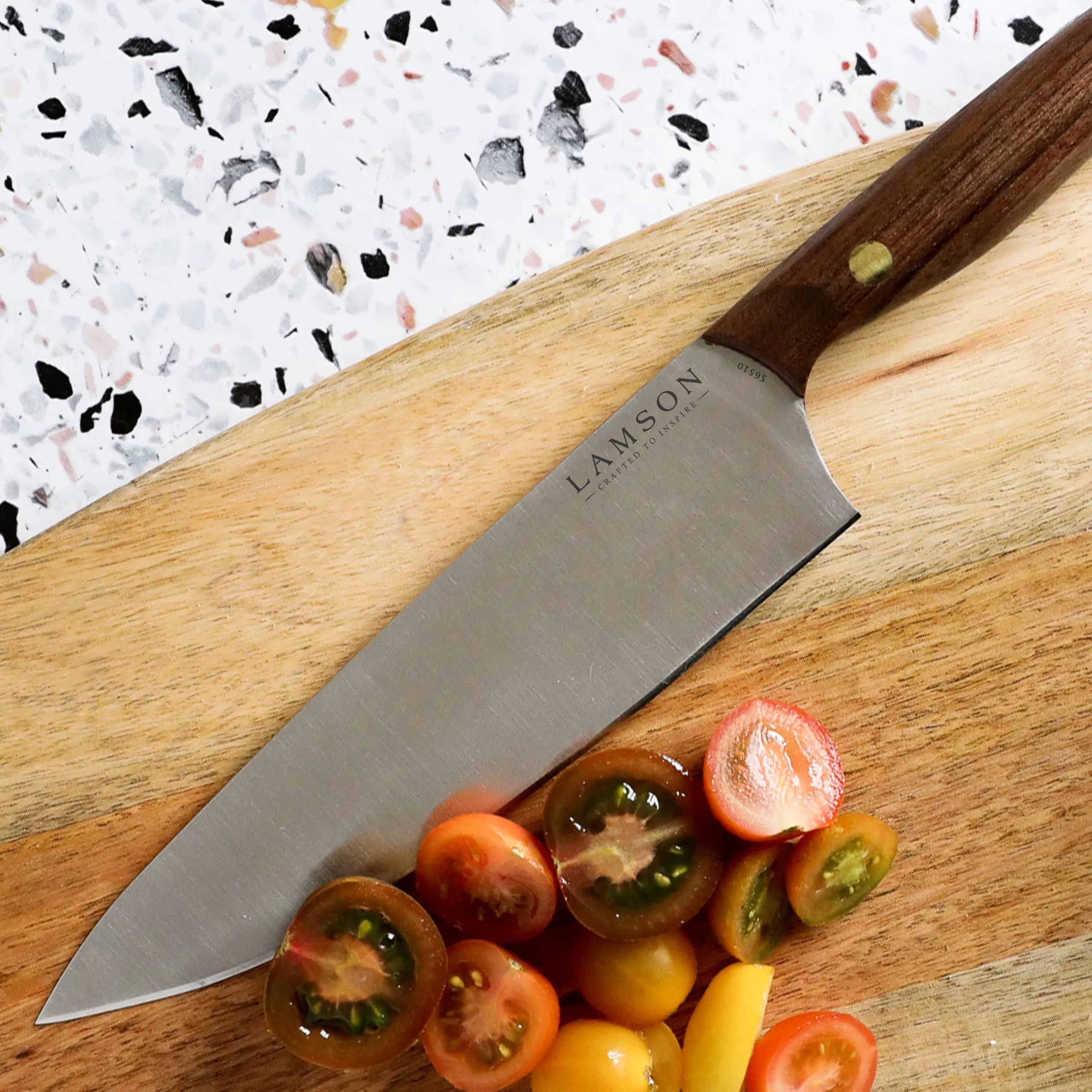
- Chef’s Knife: This is the undisputed workhorse of the kitchen. Typically 8 inches long, its broad, curved blade is perfect for chopping, dicing, mincing, slicing, and even disjointing some cuts of meat. If you only had one knife, this would be it.
Our Picks for the Best Chefs Knife in 2026As an Amazon Associate I earn from qualifying purchases.Num Product Action 1 MOSFiATA 8\" Super Sharp Professional Chef\'s Knife with Finger Guard and Knife Sharpener, German High Carbon Stainless Steel EN1.4116 with Micarta Handle and Gift Box 
2 HOSHANHO 7 Inch Nakiri Knife, Japanese High Carbon Stainless Steel Chef Knife, Multipurpose Meat Vegetable Sharp Kitchen Knife with Ergonomic Pakkawood Handle
3 imarku Japanese Chef Knife - Sharp Kitchen Knife 8 Inch Chef\'s Knives HC Steel Paring Knife, Unique Gifts for Men and Women, Gifts for Mom or Dad, Kitchen Gadgets with Gift Box, Gyutou Knives
4 Victorinox Swiss Army 5.2063.20-X14 Fibrox Chef\'s Knife Black 8 in
5 Mercer Culinary M22608 Millennia Black Handle, 8-Inch, Chef\'s Knife
6 HOSHANHO Kitchen Knife in Japanese High Carbon Steel, Professional High-Class Chef\'s Knife 8 inch, Non-slip Ultra Sharp Cooking Knives with Ergonomic Handle
7 HENCKELS Classic Razor-Sharp 8-inch Slicing Knife, German Engineered Informed by 100+ Years of Mastery, Stainless Steel
8 PAUDIN Chef Knife, 8 Inch High Carbon Stainless Steel Sharp Kitchen Knife with Ergonomic Handle, Gift Box for Family & Restaurant
9 Shun Premier 8\" Chef\'s Knife, Handcrafted Japanese Kitchen Knife for Professional and Home Chefs, VG-MAX Core with Damascus Stainless Steel Cladding, Pakkawood Handle
10 Matsato Chef Knife - Perfect Kitchen Knive for Cooking, Chopping. Japanese Steel Knife for Home, BBQ. For Balance & Control, 6.3 Inch
- Paring Knife: Small and nimble, usually 3 to 4 inches, this knife is your go-to for precise, delicate tasks like peeling fruits and vegetables, mincing garlic, hulling strawberries, or creating intricate garnishes.
- Serrated Bread Knife: With its long, saw-like edge, this knife effortlessly slices through crusty loaves of bread, ripe tomatoes, or pastries without tearing or crushing them. An offset design can save your knuckles.
- Utility Knife: Falling between a paring knife and a chef’s knife in size (4-7 inches), a utility knife is a solid all-rounder for smaller chopping tasks and slicing sandwiches or smaller cuts of meat. It can come with a straight or serrated edge.
- Santoku Knife: A Japanese-style chef’s knife, often 5 to 7 inches, characterized by a straighter edge and a “sheep’s foot” tip. Many Santokus feature a Granton edge (dimples) to prevent food from sticking. It excels at fine dicing and thin slicing.
- Slicing/Carving Knife: Longer and thinner than a chef’s knife, these are designed for making clean, precise cuts through cooked meats like roasts and poultry.
- Honing Rod/Sharpening Steel: While not a knife itself, a honing rod is crucial for maintaining the edge of your knives. Regular honing realigns microscopic bends in the blade, keeping your knives sharper for longer between actual sharpening sessions.
- Knife Block or Storage: A good set often includes a knife block, magnetic strip, or blade guards for safe and convenient storage, protecting your blades from damage and keeping them organized.
Choosing Your Perfect Good Knives Set: A Buyer’s Guide
Navigating the vast world of knife sets can feel daunting, but by focusing on your personal needs, you can find the perfect match.
Consider Your Cooking Style and Needs
Are you a passionate home cook who prepares elaborate meals daily, or do you mostly stick to simple weeknight dinners? Beginners might do best with a basic three-piece set, while experienced chefs might appreciate a more comprehensive collection or even building a custom set of individual, high-quality pieces. Think about the types of ingredients you handle most frequently – do you carve large roasts, or primarily chop vegetables? Your daily routine should guide your selection.
Budget vs. Quality: Finding the Sweet Spot
Knife sets range widely in price. While a higher price often indicates better materials and craftsmanship, there are fantastic value sets available. It’s better to invest in a smaller set of high-quality knives that will last a lifetime than a large, inexpensive set that quickly dulls and needs replacing. Consider your knife set a long-term investment in your culinary journey.
Test the Feel: Don’t Underestimate Comfort
If possible, physically hold the knives. A knife should feel balanced, comfortable, and secure in your hand. Pay attention to the handle’s grip and how the knife’s weight is distributed. A knife that feels awkward will lead to fatigue and compromise your control.
Maintenance Commitments
Be honest about your willingness to maintain your knives. High-carbon steel and Damascus steel, while offering exceptional performance, typically require more diligent care (hand-washing, immediate drying, and regular honing) than some stainless steel or ceramic options.
Investing in Quality: The Long-Term Benefits of a Good Knives Set
A good knives set isn’t just an expense; it’s an investment that pays dividends in several ways.
- Enhanced Safety: Sharp knives are safer knives. They require less force to cut, reducing the risk of slippage and accidents.
- Superior Efficiency: Precision cuts save time and effort in the kitchen, making meal prep a breeze.
- Unparalleled Enjoyment: Cooking becomes a more pleasurable, meditative experience when your tools perform flawlessly.
- Lasting Durability: Quality knives, with proper care, can last for decades, often becoming cherished kitchen heirlooms. They are built to withstand the rigors of daily use.
Expert Insight: “A Good Knife Set is an Extension of the Chef” – Chef Antoine Dubois
“Many aspiring cooks focus on recipes, but the true foundation of great cooking starts with your tools,” says Chef Antoine Dubois, a culinary veteran with over 30 years in Michelin-starred kitchens. “A good knives set isn’t just about cutting; it’s about confidence, precision, and respect for your ingredients. When your knives feel right, they become an extension of your will, allowing you to execute any technique with grace and control. It’s an investment that truly elevates every dish you create.”
Frequently Asked Questions (FAQ)
What is the best material for knife blades?
High-carbon stainless steel is generally considered the best all-around material for its balance of sharpness, durability, and rust resistance. Ceramic and carbon steel also offer excellent performance but require specific care.
How many knives do I really need in a set?
For most home cooks, a basic set of three to five essential knives is sufficient: a chef’s knife, a paring knife, and a serrated bread knife. Additional knives like a utility knife or Santoku can be added based on your specific cooking needs.
Are expensive knife sets always better?
While higher-priced sets often offer superior materials, craftsmanship, and performance, there are many excellent value sets available. It’s more important to choose a set with quality materials, good balance, and comfortable ergonomics that fits your needs and budget, rather than simply opting for the most expensive option.
How often should I sharpen my knives?
You should regularly hone your knives with a honing steel before or after each use to realign the blade’s edge. Actual sharpening (removing material from the blade to create a new edge) is needed less frequently, typically every few months to once a year, depending on usage.
What’s the difference between a chef’s knife and a Santoku?
A chef’s knife typically has a curved blade that allows for a rocking motion while cutting, and a pointed tip. A Santoku knife, of Japanese origin, usually has a straighter blade, a “sheep’s foot” tip, and often a Granton edge (dimples) to prevent food from sticking. Santokus are excellent for precise slicing and dicing.
How do I properly clean and store my knife set?
Always hand-wash your knives immediately after use with warm, soapy water and dry them thoroughly to prevent rust and maintain their edge. Store them safely in a knife block with angled slots, on a magnetic strip, or using blade guards to protect the edges. Avoid dishwashers, as they can damage blades and handles.
Conclusion
Choosing a good knives set is a pivotal decision for any kitchen enthusiast. It’s not about owning the most knives, but the right knives – those that combine superb craftsmanship, durable materials, and ergonomic design. By understanding the core components and considering your individual cooking style and needs, you can confidently select a good knives set that will serve you faithfully for years to come, transforming every meal preparation into a joy. Invest wisely, care for your blades, and watch your culinary skills flourish.