There’s a certain magic that happens in the kitchen when you wield a truly exceptional blade. We’re talking about those instruments that feel like an extension of your hand, effortlessly gliding through ingredients. If you’ve ever wondered about the pinnacle of culinary cutting tools, you’ve likely encountered the allure of Handmade Japanese Knives. These aren’t just tools; they’re masterpieces of tradition, skill, and artistry, offering an unparalleled experience that transforms everyday cooking into a meditative dance of precision and respect. Let’s delve into what makes these blades so revered around the globe.
A Legacy Forged in Fire: The History and Evolution
The story of handmade Japanese knives is a captivating journey, deeply intertwined with Japan’s martial history. It all begins with the legendary samurai swords – the katana. The same meticulous techniques, the same profound respect for steel, and the same generational knowledge that produced the fearsome katana were eventually channeled into crafting kitchen tools.
During the Edo period (1603-1868), as Japan experienced an era of relative peace, the demand for swords decreased significantly. This pivotal shift saw highly skilled swordsmiths, masters of metallurgy and forging, turn their unparalleled expertise towards the culinary world. It was a natural evolution, applying centuries of refined craftsmanship to create blades for a different kind of battle – the daily rigors of the kitchen.
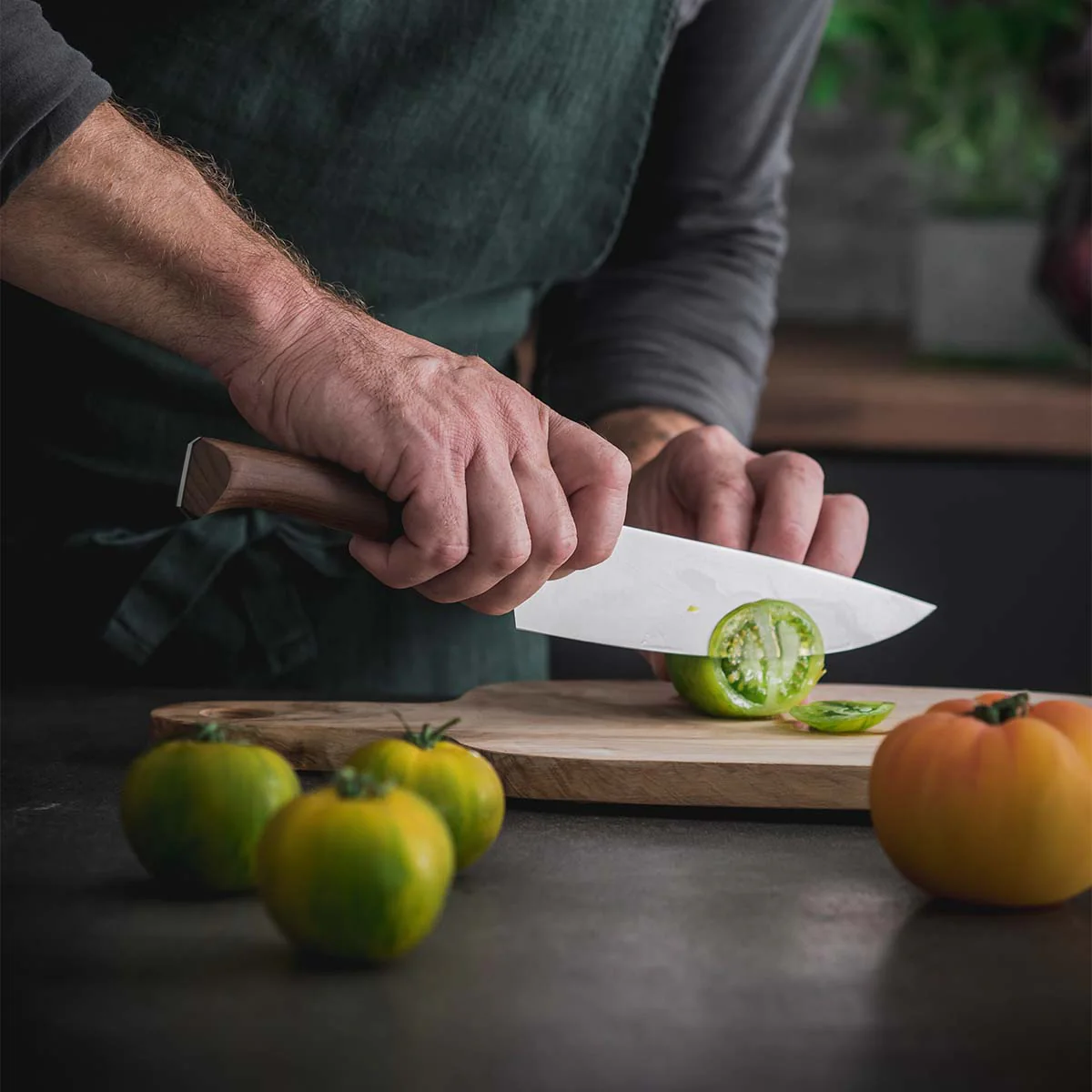
This transition led to the birth of specialized kitchen knives like the Usuba and Deba, each designed with distinct shapes and purposes, marrying tradition with the artistry of the kitchen. Later, post-World War II, General MacArthur’s ban on katana production further cemented this shift, forcing many remaining swordsmiths to dedicate their skills entirely to crafting kitchen knives, solidifying their place in culinary history. Today, regions like Sakai, renowned for its multi-artisan tradition stretching over 600 years, and Seki City, often called one of the “3 S cities of cutlery” alongside Solingen (Germany) and Sheffield (England), continue this rich legacy, serving as vibrant hubs for exceptional handmade Japanese knives.
The Heart of the Blade: Materials and Craftsmanship
What truly sets handmade Japanese knives apart? It’s a combination of superior materials and an almost sacred approach to craftsmanship.
The Soul of the Steel
At the core of every great Japanese knife lies its steel. Traditional blades often feature high-carbon steels like Shirogami (White Steel) and Aogami (Blue Steel). These steels are celebrated for their ability to achieve incredibly sharp edges and maintain them for extended periods. However, they demand a bit more tender loving care, being prone to rust if not properly dried and oiled, and developing a unique patina over time—a badge of honor for many enthusiasts. For those seeking ease of maintenance without sacrificing performance, modern stainless steel options like VG-10, SG2 (also known as R2), and Ginsan (Silver III) offer excellent sharpness, durability, and corrosion resistance.
Forging Techniques
The creation of a handmade Japanese knife is a complex, multi-step artistic process. Artisans employ various techniques:
- Honyaki: This traditional method involves forging a single piece of high-carbon steel, then applying differential heat treatment. This creates an incredibly hard, sharp edge and a tougher spine, but it’s notoriously difficult to master and thus, these knives are often very expensive.
- Kasumi: A more common technique where a hard steel core is clad (laminated) with softer iron or stainless steel. This makes the blade more robust and easier to sharpen than honyaki.
- Damascus Steel: Often characterized by its beautiful wavy patterns, Damascus steel is created by folding and forging multiple layers of different steels. Beyond its stunning aesthetic, the layering can also contribute to the blade’s strength and flexibility, and the slight texture helps prevent food from sticking.
- Tsuchime Finish: This “hammered” finish isn’t just for looks. The indentations create tiny air pockets between the blade and the food, reducing drag and making slicing smoother, much like a Granton edge.
The Artisan’s Touch
Behind every exquisite handmade Japanese knife is a master craftsman whose skills have been honed over decades, often passed down through generations. It’s an apprenticeship that cultivates not just technical prowess but also a profound understanding of the materials and the intended purpose of the knife. This multi-artisan tradition, where different specialists might handle forging, sharpening, and handle making, ensures each component is perfected, resulting in a balanced, exceptionally sharp, and durable tool.
Discover Your Perfect Edge: Popular Types of Handmade Japanese Knives
Japanese knife makers have developed a vast array of specialized blades, each designed for specific culinary tasks. While there are dozens, a few stand out as essential for any serious cook.
The Versatile Workhorses
- Gyuto (Japanese Chef’s Knife): This is Japan’s answer to the Western chef’s knife. Versatile and agile, the Gyuto excels at slicing, dicing, chopping, and mincing meat, fish, and vegetables. Its gentle curve allows for both rocking and push-cut motions.
- Santoku (Three Virtues Knife): Meaning “three virtues” (meat, fish, and vegetables), the Santoku is a compact, all-purpose knife popular with home cooks. Its flatter profile and often rounded tip make it excellent for precise up-and-down chopping.
- Bunka: A nimble, all-purpose knife, often resembling a Santoku but with a distinct “Kengata” (stylized reverse tanto) tip. This sharp point makes it excellent for intricate detail work and piercing.
Precision for Produce
- Nakiri: Recognizable by its distinctive rectangular, flat blade, the Nakiri is a vegetable specialist. It’s designed for clean, precise push cuts, making quick work of even large quantities of vegetables without the need for a rocking motion.
- Usuba: Similar to the Nakiri but traditionally single-beveled, the Usuba is the ultimate precision vegetable knife, favored by professional Japanese chefs for delicate tasks like katsuramuki (rotary peeling).
Master of Meat and Fish
- Yanagiba: A long, slender, single-beveled blade specifically designed for slicing raw fish for sushi and sashimi. Its length allows for a single, uninterrupted cut, preserving the delicate texture of the fish.
- Deba: A heavy, thick-spined knife used for breaking down whole fish, poultry, and other tough tasks. Its robust build makes it suitable for cutting through bones and cartilage.
Smaller Essential Blades
- Petty/Paring Knife: These smaller utility knives are perfect for delicate tasks like peeling fruits, segmenting citrus, or trimming small vegetables where precision is paramount.
Choosing Your Handmade Japanese Knife: A Personal Journey
Selecting your first or next handmade Japanese knife can feel like a quest, but it’s ultimately a deeply personal decision.
What’s Your Culinary Style?
Consider what you cook most often. Are you a vegetable enthusiast? A Nakiri or Usuba might be calling your name. Do you break down whole fish? A Deba is indispensable. For all-around versatility, a Gyuto or Santoku is an excellent starting point.
Carbon vs. Stainless: The Steel Dilemma
As Kenji Tanaka, a renowned master bladesmith from Sakai, often says, “Choosing your steel is like choosing your partner—it’s about understanding its character and how it complements your lifestyle. High carbon steel rewards dedication with unparalleled sharpness, while stainless offers resilience for the busy chef.” Think about your willingness to maintain the blade. High-carbon steels offer superior sharpness and edge retention but require immediate cleaning and oiling to prevent rust. Stainless steels are more forgiving but might not achieve the absolute razor-sharpness of their carbon counterparts.
Handle with Care: Western vs. Wa-handle
Japanese knives come with two main handle styles:
- Western (Yo-handle): Often made of composite materials, these handles are typically ergonomic and weighty, providing a familiar feel for many users.
- Traditional Japanese (Wa-handle): Usually made from wood (like Magnolia or Ho wood), these are lighter and designed for a comfortable, adaptable grip, often octagonal or D-shaped for precision.
Balance and Feel
Ultimately, pick up the knife if you can. Does it feel balanced in your hand? Is the weight distribution comfortable? A knife should feel like a natural extension of your arm, making cutting a joy, not a chore.
Mastering Your Blade: Gripping, Usage, and Care
Owning a handmade Japanese knife is just the beginning; mastering its use and ensuring its longevity are equally important.
Proper Grip and Technique
For most Japanese knives, the pinch grip is recommended. This involves pinching the heel of the blade between your thumb and forefinger, with the rest of your fingers wrapped around the handle. This grip offers superior control and balance. Different knives require different cutting motions: a Gyuto might allow for a slight rocking motion, while a Nakiri is best suited for an up-and-down push cut. Always let the knife’s sharpness do the work, using minimal pressure.
The Ritual of Maintenance
- Cleaning: Always wash your knife immediately after use with warm water and mild soap, then dry it thoroughly. Never put a handmade Japanese knife in a dishwasher; the harsh detergents and high heat can damage both the blade and the handle.
- Sharpening with Whetstones: This is the best way to maintain the razor-sharp edge of a Japanese knife.
- 1000 grit: Ideal for everyday sharpening and restoring a dull edge.
- 3000-6000 grit: Used for refining the edge, making it smoother and sharper.
- 8000-10000 grit: For polishing and achieving an incredibly fine, mirror-like, razor edge.
- Honing: Between sharpenings, use a ceramic honing rod to realign the micro-edge of the blade. This maintains sharpness for longer without removing metal.
- Storage: Store your knives safely to protect their delicate edges. A magnetic strip, knife block, blade guard, or knife roll are all excellent options. Never let them rattle around in a drawer.
Why Invest in Handmade Japanese Knives?
An investment in a handmade Japanese knife is an investment in your culinary future.
- Unparalleled Sharpness and Performance: These knives are engineered for precision, offering an edge that transforms mundane tasks into delightful experiences. The clean cuts reduce cellular damage in food, enhancing flavor and presentation.
- Durability and Longevity: With proper care, these blades are built to last a lifetime, becoming heirlooms rather than disposable tools.
- Aesthetic Beauty and Cultural Heritage: Each knife is a work of art, a testament to centuries of tradition and the skill of dedicated artisans. They add a touch of elegance and history to any kitchen.
- Enhanced Culinary Experience: The joy of effortlessly slicing through ingredients, the confidence a well-balanced knife inspires, and the sheer pleasure of cooking with a superior tool elevate your entire culinary journey.
Frequently Asked Questions About Handmade Japanese Knives
Q1: What is the main difference between a handmade Japanese knife and a Western knife?
A: Handmade Japanese knives are typically harder, thinner, and sharpened to a much finer, steeper angle, resulting in superior sharpness and precision. They also often feature traditional Wa-handles and specific blade geometries for specialized tasks, contrasting with the softer steel, thicker blades, and rounded bellies common in Western knives designed for rocking cuts.
Q2: Are handmade Japanese knives difficult to maintain?
A: While they require more attention than many mass-produced Western knives, their maintenance is a ritual, not a chore. They need immediate hand-washing, thorough drying, and regular sharpening with whetstones. Carbon steel versions also need occasional oiling to prevent rust.
Q3: What’s a good entry-level handmade Japanese knife for a home cook?
A: For beginners, a Gyuto (Japanese chef’s knife) or a Santoku is highly recommended. Both are versatile, all-purpose knives that can handle most kitchen tasks, making them excellent starting points for experiencing the precision of Japanese blades.
Q4: Why do some handmade Japanese knives cost so much?
A: Their higher price reflects the labor-intensive, multi-step crafting process by skilled artisans, the use of premium, often rare, high-carbon steels, and the centuries of tradition and expertise embedded in each blade. It’s an investment in quality, performance, and a piece of culinary art.
Q5: Can I sharpen my handmade Japanese knife with an electric sharpener?
A: It’s strongly advised against using electric sharpeners on handmade Japanese knives. These sharpeners remove too much material, can ruin the delicate edge geometry, and generate excessive heat that can damage the blade’s temper. Whetstones are the preferred and most effective method.
Q6: How do I know if a Japanese knife is truly handmade?
A: Look for details like slight variations in finish, the presence of a “kurouchi” (blacksmith’s finish), or hand-engraved kanji. Reputable retailers will also provide details about the specific blacksmiths or workshops. Genuine handmade knives often have a unique character that mass-produced ones lack.
Conclusion: Embrace the Edge
Stepping into the world of handmade Japanese knives is more than just upgrading your kitchen tools; it’s embracing a philosophy of precision, respect for ingredients, and a deeper connection to the culinary arts. From the legacy of samurai swords to the meticulous touch of modern artisans, each knife tells a story of dedication and excellence. Investing in one of these magnificent blades means equipping yourself with a tool that will not only elevate your cooking but also bring a profound sense of satisfaction with every precise cut. So, why not explore the unparalleled performance and beauty that a truly handmade Japanese knife can bring to your kitchen?