In the vibrant world of culinary arts, few tools command as much respect and admiration as a truly exceptional kitchen knife. It’s more than just a utensil; it’s an extension of the chef’s hand, a partner in creation, and a testament to centuries of craftsmanship. For the discerning cook, investing in high-end kitchen knives isn’t merely a luxury; it’s a commitment to precision, efficiency, and a truly elevated cooking experience. These aren’t your average blades; they represent the pinnacle of design, material science, and artisanal skill, promising not just to cut, but to transform your interaction with food.
The Heart of the Kitchen: Why High-End Knives Matter
Walk into any professional kitchen, and you’ll notice a reverence for the tools of the trade. At the center of it all is the chef’s knife, a workhorse capable of everything from delicate herb mincing to breaking down tough cuts of meat. A high-end kitchen knife stands apart, offering a blend of unmatched sharpness, superior edge retention, durable materials, and an ergonomic design that makes every task a joy. It’s the difference between merely preparing a meal and truly crafting a culinary masterpiece. When you feel a high-end blade in your hand, its balance and responsiveness are immediately apparent, making it not just easier, but safer and more enjoyable to cook.
More Than Just a Tool: Defining High-End
What exactly elevates a kitchen knife into the “high-end” category? It’s a symphony of factors working in harmony. Firstly, exceptional sharpness right out of the box, with an edge that can effortlessly slice through paper, is a clear indicator. Beyond initial sharpness, the ability of the blade to retain this edge through consistent use is paramount. This longevity is often a result of advanced steel compositions and meticulous heat treatment. A well-designed handle, offering comfort and control without causing fatigue, paired with perfect balance between the blade and the handle, transforms the knife into a natural extension of your hand. Finally, the overall craftsmanship – from the precision of the grind to the flawless finish – speaks volumes about the quality and attention to detail inherent in high-end kitchen knives.
A Journey Through Time: The Evolution of Chef’s Knives
The modern chef’s knife has a rich history, evolving from basic cutting tools to the specialized instruments we cherish today. Across the globe, distinct philosophies shaped knife-making traditions, leading to the two dominant styles that continue to influence high-end kitchen knives: German and Japanese.
East Meets West: German vs. Japanese Craftsmanship
Imagine a robust, powerful tool, built for endurance and versatility—that’s the essence of a German-style chef’s knife. These knives typically feature a heavier, thicker blade with a pronounced curve, ideal for the “rocking chop” motion favored in Western cooking. Brands like Wüsthof and Zwilling J.A. Henckels are synonymous with this sturdy, durable design, excelling at tasks like hacking through hard vegetables or breaking down poultry. Their edges are designed for toughness, generally set at a wider angle, making them incredibly resilient.
On the other side of the culinary world, Japanese-style chef’s knives, often represented by brands like Shun and MAC, embody a philosophy of precision and finesse. These knives are generally thinner, lighter, and crafted from harder carbon steel, allowing them to be sharpened to an incredibly fine, razor-sharp edge. This results in unparalleled precision, perfect for delicate tasks like thinly slicing fish or julienning vegetables. While their harder blades hold an edge longer, they can also be more brittle, requiring a touch more care. Popular Japanese shapes under the chef’s knife umbrella include the Gyuto (similar to a Western chef’s knife but lighter and thinner), Santoku (a versatile all-purpose knife with a flatter profile), and Nakiri (designed specifically for vegetables). Today, the lines are often blurred, with exceptional knives in both styles produced globally, blending the best of both traditions.
Anatomy of Perfection: Blade and Handle Materials
The magic of high-end kitchen knives lies in their components. Every material choice, from the cutting edge to the handle’s grip, is carefully considered to optimize performance and longevity.
The Blade’s Edge: Steels That Stand Out
At the heart of any great knife is its blade. For high-end kitchen knives, the choice of steel is critical, directly impacting sharpness, edge retention, and maintenance.
- High-Carbon Stainless Steel: This is the darling of many professional chefs and manufacturers, striking an optimal balance. It combines the rust resistance of stainless steel with the hardness and edge-holding capabilities of carbon steel. Premium versions, often proprietary blends, can contain elements like chromium, molybdenum, vanadium, and tungsten (seen in steels like VG-MAX and VG-10), enhancing performance and corrosion resistance. These blades are tough, hold a fantastic edge, and are relatively easy to maintain.
- Carbon Steel: Coveted by some for its ability to achieve an exceptionally keen edge and ease of resharpening, pure carbon steel knives are incredibly precise. However, they demand diligent care as they are prone to rust and can develop a patina over time. Many culinary purists appreciate this patina as a sign of a well-used and cared-for tool.
- Damascus Steel: This isn’t a single type of steel but a forging technique where multiple layers of different steels are folded together. The result is a blade known for its distinctive wavy pattern, offering both striking aesthetics and enhanced performance due to the varied properties of the layered metals.
The hardness of the blade, measured on the Rockwell scale (HRC), is a key indicator of quality. High-end kitchen knives typically fall between 56 and 62 HRC, balancing exceptional sharpness with sufficient toughness to prevent chipping.
The Grip of Distinction: Handle Materials and Design
A knife is only as good as how it feels in your hand. High-end kitchen knives boast handles crafted from premium materials, designed for comfort, control, and durability.
- Pakkawood: A popular choice, Pakkawood is a composite material made from wood veneers impregnated with resin. This creates a dense, stable, and moisture-resistant handle that is both beautiful and incredibly durable, often mimicking the look and feel of natural wood without its maintenance drawbacks.
- Natural Wood: For a classic, tactile feel, natural wood handles offer warmth and a unique aesthetic. They often provide excellent grip but require more care, such as periodic oiling, to prevent drying, cracking, or warping.
- Micarta/G10: These are modern, highly durable composite materials made from layers of fabric or fiberglass infused with resin. They are incredibly tough, moisture-resistant, and can be shaped for exceptional ergonomics and grip, often seen in high-performance knives.
- Stainless Steel: Some knives, notably Global, feature all-stainless steel construction. While offering excellent hygiene and durability, the grip can be divisive, sometimes feeling slippery when wet, although dimpled patterns often help mitigate this.
The design of the handle, including the presence of a bolster (the thickened area where the blade meets the handle), also significantly impacts balance and grip. A full tang, where the blade steel extends all the way through the handle, is a hallmark of quality, providing superior strength and balance.
Finding Your Culinary Soulmate: Choosing the Right High-End Knife
Selecting the perfect high-end kitchen knife is a deeply personal journey, akin to finding a trusted partner in your culinary adventures. It’s about more than just brand names; it’s about understanding your unique needs and preferences.
Understanding Blade Shapes and Styles
Consider your primary cutting style. Do you prefer a “rocking” motion, where the knife tip maintains contact with the cutting board while the blade rocks through ingredients? A curved blade, typical of German chef’s knives and Japanese Gyutos, will be your ally. If an “up-and-down” chopping motion is more your speed, a straighter blade, such as a Santoku or Nakiri, will feel more natural and efficient. The length of the blade also plays a role; 8-inch chef’s knives are widely considered the most versatile for home cooks, offering a good balance of maneuverability and cutting power.
Ergonomics and Balance: A Natural Extension of Your Hand
A truly high-end knife feels like an extension of your arm, effortless and responsive. This comes down to ergonomics and balance. Hold the knife in your preferred “pinch grip” (pinching the spine of the blade with your thumb and index finger, wrapping the rest of your fingers around the handle). Does it feel comfortably weighted? Does it want to tilt forward or backward excessively? A well-balanced knife will feel neutral, allowing for precise control and minimizing fatigue during long prep sessions. The handle should fit snugly in your hand without sharp edges or gaps around the rivets, which can pinch or collect food.
Mastering the Art: Essential Handling and Cutting Techniques
Owning a high-end kitchen knife is one thing; using it effectively and safely is another. Mastering basic handling and cutting techniques will not only enhance your culinary skills but also prolong the life of your precious blade.
The “pinch grip” is widely recommended by professionals. This involves pinching the heel of the blade between your thumb and forefinger, with your remaining fingers curled around the handle. This grip offers superior control and balance, allowing for more precise cuts. When chopping, whether you employ a rocking motion or a straight up-and-down technique, always keep your guiding hand (the one not holding the knife) in a “claw” position, with fingertips curled inwards and knuckles protecting them from the blade. This provides stability and safety.
Preserving Your Investment: Care and Maintenance for Premium Knives
High-end kitchen knives are built to last a lifetime, but like any finely crafted tool, they require proper care and maintenance. Neglecting them is akin to leaving a luxury car out in the elements; it diminishes performance and lifespan.
Daily Rituals for Lasting Sharpness
The cornerstone of knife care begins immediately after use.
- Hand Wash Immediately: Always hand wash your knife with warm water and a mild dish soap immediately after each use. This prevents food acids and residues from drying onto the blade, which can lead to staining or corrosion, especially with high-carbon steels.
- Thorough Drying: Crucially, dry your knife completely with a soft, clean cloth right away. Moisture is the enemy of even “stainless” steels, as they are not entirely rust-proof. Leaving a knife wet is an open invitation for corrosion.
- Avoid the Dishwasher: This cannot be stressed enough: never put high-end kitchen knives in the dishwasher. The harsh detergents, high heat, and jostling against other utensils can dull the edge, damage the handle (especially wood or Pakkawood), and promote rust.
Sharpening vs. Honing: What’s the Difference?
Understanding the distinction between honing and sharpening is vital for maintaining your blade.
- Honing: This is a daily or near-daily practice. A honing steel (ceramic or smooth steel rod) doesn’t remove metal; it realigns the microscopic edge of your blade that gets bent out of shape during use. A few gentle strokes on a honing rod will keep your knife feeling sharp between true sharpenings.
- Sharpening: This involves removing a small amount of steel to create a new, fresh edge. For high-end knives, whetstones are often considered the best method, allowing for precise control over the edge angle. Depending on usage, a daily-use knife might need sharpening every one to two months, or when honing no longer restores its keenness. Many enthusiasts also seek professional sharpening services for optimal results, especially for specialized Japanese blades. Avoid electric grinders, particularly for very high-end or Japanese knives, as they can remove too much material and alter the blade’s geometry.
Smart Storage and Cutting Surfaces
Proper storage protects your knife’s edge and ensures safety.
- Dedicated Storage: Store your knives in a knife block, on a magnetic strip, in a knife roll, or with individual blade guards. The key is to keep the edge from coming into contact with other metal objects, which can dull or chip it. Avoid throwing them loosely into a drawer.
- Optimal Cutting Boards: Always use a cutting board made of wood or high-grade plastic. Avoid hard surfaces like glass, marble, ceramic, or metal, as these will quickly dull or even damage your blade’s delicate edge.
Is It Worth the Splurge? The Enduring Value of High-End Kitchen Knives
The initial investment in high-end kitchen knives might seem substantial, but the long-term benefits far outweigh the cost. A quality knife transforms the act of cooking from a chore into a pleasure. Precision cuts improve food presentation and even taste, as ingredients are prepared consistently. Safety is also significantly enhanced; a sharp knife is a safe knife, requiring less force and reducing the risk of slips and accidents. With proper care, these knives will not only perform flawlessly for decades but can truly last a lifetime, becoming cherished heirlooms passed down through generations. As culinary expert Chef Anya Sharma often says, “A truly great knife whispers confidence into your hand; it’s an investment in your craft and your joy in the kitchen.” It’s an investment in efficiency, enjoyment, and a legacy of delicious meals.
Frequently Asked Questions
How often should I sharpen my high-end kitchen knife?
For a knife used daily, honing should be a regular practice (daily or every few uses). Actual sharpening on a whetstone or by a professional is typically needed every one to two months, or as soon as you notice it struggling to cut cleanly even after honing.
Can I put my high-end kitchen knife in the dishwasher?
Absolutely not. Dishwashers use harsh detergents and high temperatures that can severely damage the blade’s edge, corrode the steel, and ruin the handle materials. Always hand wash and thoroughly dry your high-end knives immediately after use.
What’s the best cutting board for my premium knives?
For high-end kitchen knives, wooden or high-quality plastic cutting boards are ideal. They are forgiving on the blade, helping to maintain its sharpness. Avoid glass, ceramic, marble, or metal boards, as these can quickly dull and damage your knife’s edge.
What is the difference between carbon steel and high-carbon stainless steel?
Carbon steel knives can achieve an incredibly sharp edge and are easier to resharpen, but they are prone to rust and require diligent maintenance. High-carbon stainless steel offers a better balance, providing good edge retention and hardness with significantly improved corrosion resistance, making them easier to care for in a typical kitchen environment.
How do I know if a knife is well-balanced?
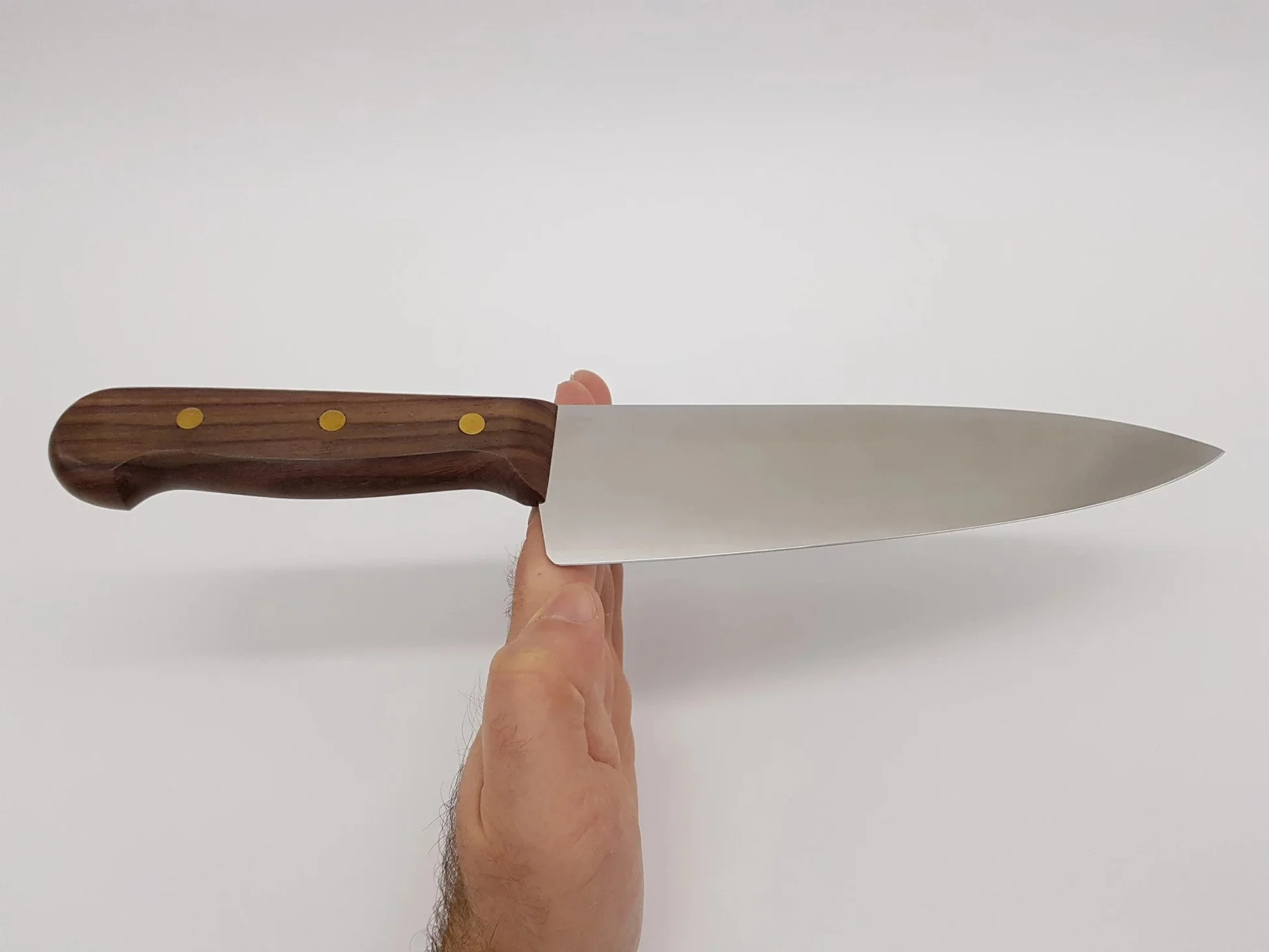
To check a knife’s balance, hold it gently by the bolster or where the blade meets the handle in a pinch grip. A well-balanced knife should feel neutral, not tipping heavily towards the blade or the handle. It should feel stable and effortless in your hand, becoming an extension of your arm.
Conclusion
In the end, high-end kitchen knives are more than just tools; they are a cornerstone of culinary artistry. From their rich history and diverse styles to the advanced materials and meticulous craftsmanship, every aspect speaks to a dedication to excellence. By understanding the nuances of blade design, material science, and embracing proper care techniques, you unlock a world of culinary possibilities. Investing in high-end kitchen knives isn’t just about buying a product; it’s about investing in a passion, enhancing your skills, and experiencing the sheer joy of cooking with instruments that truly inspire. So, embrace the edge of excellence, and let your high-end kitchen knives be the stars of your culinary stage.