Every culinary journey, whether it begins in a bustling professional kitchen or a cozy home setting, hinges on one fundamental tool: the chef knife. It’s more than just a piece of metal and a handle; a high-quality chef knife becomes an extension of your hand, a trusted companion that transforms ingredients with precision and ease. Investing in a superior blade isn’t just about owning a fancy gadget; it’s about elevating your cooking experience, enhancing safety, and enjoying the art of food preparation like never before. This guide will walk you through everything you need to know to understand, choose, and care for an exceptional chef knife.
The Enduring Legacy: A Brief History and Evolution of the Chef Knife
The chef knife, as we know it today, has a rich history spanning centuries, evolving from rudimentary cutting tools to sophisticated instruments of culinary art. Early knives were simple, often made of stone or bone, used for basic tasks like hunting and butchering. With the advent of metallurgy, bronze and then iron blades emerged, offering greater durability and sharpness. The development of steel marked a significant turning point, allowing for stronger, more resilient edges. European traditions saw the rise of the classic French and German chef knives, characterized by their curved blades perfect for a rocking motion. Simultaneously, Japanese bladesmithing refined techniques to create incredibly sharp, precision-focused knives. This continuous evolution, driven by the needs of cooks and advancements in materials, has shaped the modern high-quality chef knife into the versatile and indispensable tool it is today.
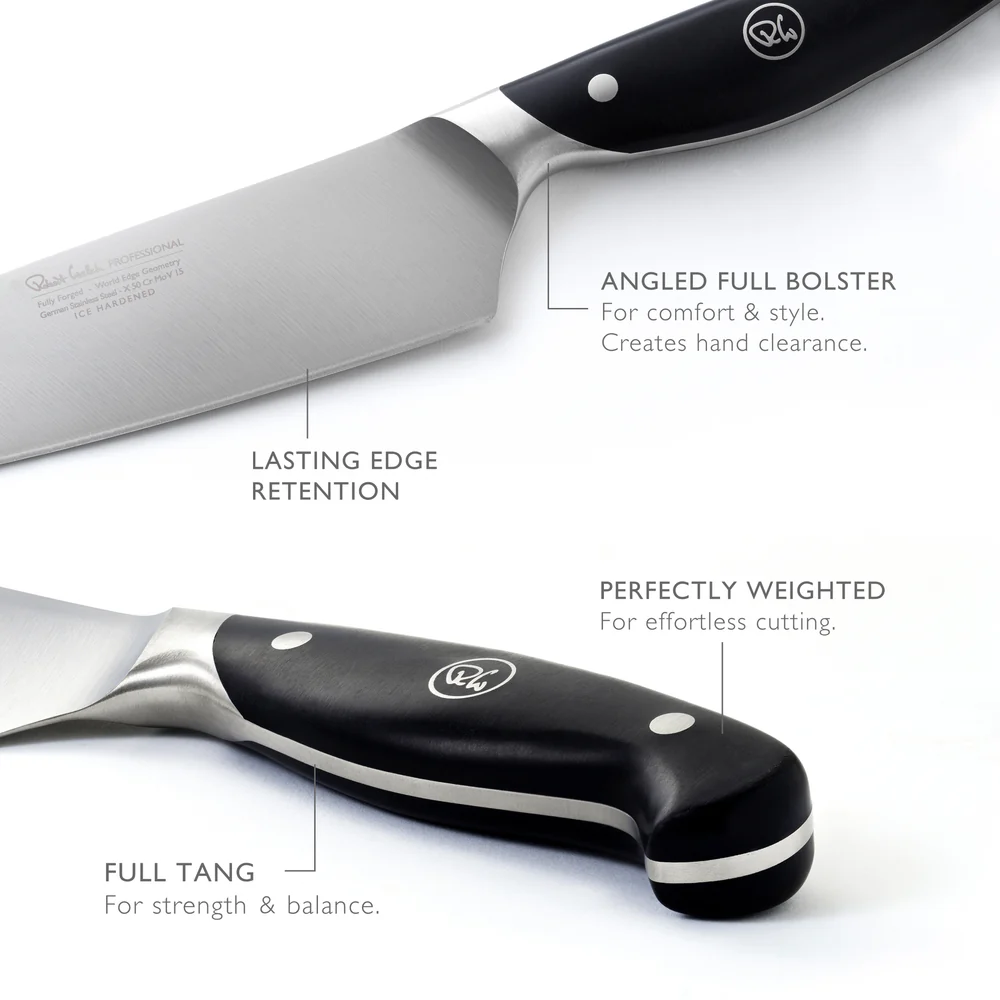
Anatomy of Excellence: Key Components and Materials of a High-Quality Chef Knife
To truly appreciate a high-quality chef knife, it’s essential to understand its fundamental parts and the materials that give it its exceptional performance.
The Blade: Heart of the Knife
The blade is arguably the most critical component, dictating the knife’s cutting ability, edge retention, and overall durability.
Blade Materials: The Steel Story
The choice of blade material profoundly impacts a knife’s characteristics:
- High Carbon Steel: Often favored by professional chefs for its ability to take and hold an incredibly sharp edge, and its ease of re-sharpening. However, high carbon steel is susceptible to rust and discoloration (patina) and requires meticulous care and immediate drying after use.
- High Carbon Stainless Steel: A popular compromise, combining the best aspects of both. It offers good edge retention and sharpness while providing excellent resistance to rust and corrosion, making it easier to maintain for the everyday cook.
- Damascus Steel: Known for its distinctive wavy patterns, Damascus steel is typically made by layering different types of steel. This not only creates a beautiful aesthetic but can also result in a blade with a hard, sharp core protected by softer, more flexible outer layers, offering a balance of performance and beauty.
- Ceramic: Extremely hard and lightweight, ceramic blades hold their edge for a remarkably long time and are completely impervious to rust. However, they are brittle and prone to chipping or breaking if dropped or twisted, and require specialized diamond sharpeners.
Hardness (HRC): A Measure of Endurance
The Rockwell hardness scale (HRC) indicates how hard the steel is. A good quality chef knife typically falls between 56 and 62 HRC. Generally, a higher HRC means the blade will stay sharp longer but might be more brittle and harder to sharpen. Blades with lower HRC values (e.g., below 55 HRC) are often considered of lower quality, as they dull quickly.
Construction: Forged vs. Stamped
The way a blade is made significantly affects its strength and balance:
- Forged Knives: Crafted from a single bar of steel, heated, and then hammered into shape. This process compresses the steel, resulting in a stronger, more durable, and often better-balanced blade. High-quality chef knives are frequently forged and feature a “full tang,” meaning the steel extends entirely through the handle, providing superior strength and balance.
- Stamped Knives: Produced by cutting the blade shape out of a sheet of steel. While more affordable, they are generally lighter and less durable than forged knives, and may lack the optimal balance.
Edge Geometry: The Sharp Truth
A “fine edge” knife is what you want for a high-quality chef knife. These blades are incredibly sharp and allow for precise, clean cuts. Avoid “never needs sharpening” knives, which typically rely on a serrated edge that tears rather than slices, compromising food quality and control.
The Handle: Your Connection to the Blade
The handle ensures a comfortable, secure grip, which is paramount for safety and control.
Handle Materials: Comfort and Durability
Handles come in various materials, each offering different aesthetics, durability, and maintenance needs:
- Wood: Classic and aesthetically pleasing, offering a warm, natural feel. Natural wood requires more maintenance (oiling) to prevent cracking and warping. Stabilized woods (infused with resin) offer greater durability and water resistance.
- Composite Materials (G10, Micarta, Richlite): These modern materials are made from layers of resin and fibers (like fiberglass or canvas). They are exceptionally durable, moisture-resistant, hygienic, and offer excellent grip, even when wet. Many professionals prefer them for their robustness and low maintenance.
- Plastic (Polypropylene, Thermoplastic): Durable, lightweight, and easy to clean, plastic handles are a practical and often more affordable choice, though they may lack the aesthetic appeal of wood or composites.
- Metal (Stainless Steel, Titanium, Aluminum): While incredibly durable and sleek, metal handles can sometimes feel cold or become slippery when wet, impacting grip.
Balance: The Art of Effortless Control
A well-balanced high-quality chef knife feels like an extension of your hand. For many forged knives, the center of gravity is ideally found at the bolster, where the blade meets the handle. This balance reduces fatigue during prolonged use and enhances precision, making tasks feel less like a chore and more like a fluid motion.
Navigating the Arsenal: Popular Types of Chef Knives and Their Unique Traits
While “chef knife” is a broad term, the most common type is the Western-style chef knife, typically 8 to 10 inches long with a pronounced curve. This design is incredibly versatile, ideal for the “rocking motion” used for chopping herbs, dicing vegetables, and mincing garlic. Its broad heel offers excellent knuckle clearance. Other notable styles include:
- Santoku: A Japanese chef knife, often with a flatter blade profile and a “sheepsfoot” tip. It excels at precise, downward “push cuts” and is great for dicing and thin slicing.
- Gyuto: The Japanese equivalent of the Western chef knife, combining elements of both, often thinner and lighter with a sharper angle.
Understanding these subtle differences allows you to pick a high-quality chef knife that perfectly complements your cooking style.
The Perfect Match: How to Choose Your Ideal High-Quality Chef Knife
Choosing the right high-quality chef knife is a personal journey. Here’s how to find your perfect blade:
Prioritizing Fit and Feel
Above all, the knife should feel comfortable and secure in your hand. This is non-negotiable. Grip it in a “pinch grip” (thumb and index finger on the blade, fingers wrapped around the handle) and feel its balance. Does it feel heavy towards the blade or the handle, or does it feel naturally balanced? An ergonomic handle that fits your hand size and shape is crucial for control and preventing fatigue.
Blade Length: Matching to Hand Size and Tasks
- 6-8 inches: Ideal for home cooks or those with smaller hands. More maneuverable for lighter chopping tasks like fruits and vegetables.
- 8-10 inches: The most popular size, suitable for most home cooks and many professionals. Provides ample length for a rocking motion and handling a variety of ingredients.
- 10-12 inches: Preferred by professionals or those with larger hands who frequently break down large cuts of meat or perform high-volume prep.
Considering Your Cooking Style
If you prioritize razor-sharpness and don’t mind extra maintenance, a high carbon steel knife might be for you. If low maintenance and rust resistance are key, high carbon stainless steel is an excellent choice. Consider the types of foods you typically prepare and the cutting techniques you use most often.
Budget vs. Value: Investing Wisely
A high-quality chef knife is an investment. While you don’t need the most expensive knife on the market, be wary of overly cheap options or large knife sets that offer quantity over quality. Focus on reputable brands and solid construction. “A good chef knife isn’t just a tool; it’s a partner in the kitchen,” advises Chef Laurent Dubois, a renowned culinary expert. “It should inspire confidence and make every cut feel effortless. Don’t compromise on quality for short-term savings.”
The Chef’s Touch: Essential Techniques for Using a High-Quality Chef Knife
Mastering the use of your high-quality chef knife is as important as choosing it.
Proper Grip: The Pinch Grip
The most effective and safest way to hold a chef knife is the “pinch grip.” Pinch the heel of the blade between your thumb and the side of your index finger, then wrap the remaining fingers around the handle. This grip gives you maximum control over the blade.
Basic Cutting Techniques
- Rocking Motion: Ideal for mincing and dicing, especially with Western-style chef knives. The tip of the knife remains on the cutting board while the blade rocks up and down, slicing through food.
- Push Cut: Often used with flatter-profile blades like Santokus, involves pushing the blade straight down and slightly forward through the food.
- Slicing and Chopping: Practice consistent, even movements to achieve uniform cuts, which not only look better but also cook more evenly.
Safety Tips
Always use a stable cutting board (wood or high-grade plastic) and keep your guiding hand’s fingertips tucked back, using your knuckles as a guide against the blade. Never rush, and always pay attention to your task.
Preserving Perfection: Tips for Maintaining, Cleaning, and Sharpening Your High-Quality Chef Knife
A high-quality chef knife, with proper care, can last a lifetime. Neglect, however, can quickly diminish its performance and lifespan.
Daily Care Rituals
- Immediate Hand Washing: After each use, wash your knife immediately with warm water and a mild dish soap. This prevents food residue from drying and potentially corroding the blade.
- Thorough Drying: Always dry your knife thoroughly with a soft, clean cloth immediately after washing. Leaving it wet, even for a short time, can lead to rust, especially with high carbon steel.
- Proper Cutting Surfaces: Always use cutting boards made of wood or high-grade plastic. Avoid materials like glass, ceramic, stone, or metal, which can dull or chip your blade rapidly.
The “Never Do” List
- No Dishwasher: Absolutely never put a high-quality chef knife in the dishwasher. The harsh detergents, high heat, and jostling against other utensils can damage the blade, dull the edge, and ruin the handle.
- Avoid Soaking: Do not soak your knife in water. This can cause rust and damage to wooden handles.
- No Abrasive Cleaners or Scouring Pads: These can scratch the blade finish.
Storage Solutions
Proper storage protects your blade and ensures safety:
- Knife Block: A traditional and effective way to store knives safely.
- Magnetic Strip: Mounts on your wall, keeping knives visible and easily accessible while preventing blade contact.
- Knife Roll or Sheaths (Saya): Essential for transport or if storing in a drawer, preventing the blade from rubbing against other utensils.
Sharpening & Honing
- Honing: Use a ceramic or smooth steel honing rod regularly (daily or weekly, depending on use). Honing doesn’t sharpen the blade but realigns the microscopic edge that gets bent during use, restoring its keenness.
- Sharpening: Over time, even a honed blade will lose its edge and require sharpening. This is best done with whetstones (water stones) or a professional sharpening service. The frequency depends on use, but often every few months for a home cook. Carbon steel knives are generally easier to sharpen.
Handle Maintenance
If your knife has a natural wood handle, periodically rub it with food-grade mineral oil or a wood conditioner to prevent it from drying out, cracking, or losing its luster.
The Investment That Pays Dividends: Why a High-Quality Chef Knife is Worth It
Investing in a high-quality chef knife is a decision that pays off in countless ways. It’s more than just an expense; it’s an enhancement to your culinary life. A superior blade offers:
- Enhanced Performance: Effortless slicing, dicing, and chopping, making prep work faster and more enjoyable.
- Increased Safety: A sharp knife is a safe knife. It requires less force, reducing the risk of slips and accidents.
- Durability and Longevity: A well-made knife, with proper care, can serve you for decades, even becoming an heirloom.
- Culinary Confidence: The right tool inspires confidence and allows you to explore new techniques and recipes with ease.
- Pure Joy: There’s an undeniable satisfaction that comes from working with a perfectly balanced, razor-sharp high-quality chef knife.
FAQ: Your Questions About High-Quality Chef Knives Answered
Q: How often should I sharpen my chef knife?
A: The frequency depends on how often you use it and the material of the blade. For most home cooks, sharpening every few months is sufficient, with regular honing before or after each use to maintain the edge. Professionals might sharpen more frequently.
Q: Can I put my high-quality chef knife in the dishwasher?
A: Absolutely not. Dishwashers can damage the blade, dull the edge, and ruin the handle due to harsh detergents, high heat, and physical impact. Always hand wash and immediately dry your chef knife.
Q: What’s the difference between a forged and a stamped knife?
A: A forged knife is made from a single piece of steel that is heated and hammered into shape, resulting in a stronger, more durable, and often better-balanced blade with a full tang. A stamped knife is cut from a sheet of steel, typically lighter and less durable.
Q: Is carbon steel better than stainless steel for a chef knife?
A: It depends on your preference. Carbon steel offers superior sharpness and edge retention but requires meticulous care to prevent rust. High carbon stainless steel provides a good balance of sharpness and rust resistance with less maintenance.
Q: How do I know if a chef knife is well-balanced?
A: Hold the knife in a pinch grip. A well-balanced knife will feel like an extension of your arm, with its center of gravity typically at or near the bolster (where the blade meets the handle). It should not feel heavy towards the blade or the handle.
Conclusion
The high-quality chef knife stands as a testament to the blend of tradition, craftsmanship, and innovation in the culinary world. From its storied past to the nuanced choices in materials and construction, every aspect is designed to enhance your cooking. By understanding what makes a blade exceptional, choosing one that perfectly fits your hand and style, and committing to proper care, you unlock a world of culinary possibilities. Invest wisely in a high-quality chef knife, treat it with respect, and it will be a loyal companion, transforming your kitchen tasks into a true pleasure for years to come.