Stepping into a well-equipped kitchen, one quickly realizes that not all tools are created equal. Among them, a set of High Quality Kitchen Knives stands out as the ultimate game-changer. These aren’t just mere cutting implements; they are extensions of your culinary passion, transforming mundane prep work into an enjoyable art form. Investing in high quality kitchen knives means investing in precision, safety, and a lifetime of superior cooking experiences. Let’s delve into what truly makes these essential tools a cut above the rest.
The Foundation of Fine Cuisine: A Brief History of Kitchen Knives
The story of the kitchen knife is as old as cooking itself, evolving dramatically from rudimentary flint shards to the sophisticated, high quality kitchen knives we cherish today. Early humans shaped stone, bone, and eventually bronze and iron into tools that were vital for survival, primarily for hunting and preparing food. As civilizations advanced, so did metallurgy. The introduction of steel marked a pivotal moment, allowing for harder, sharper, and more durable blades. Different cultures, from the ancient Egyptians to the master smiths of Japan and Germany, developed their unique knife-making traditions, each contributing to the diverse world of high quality kitchen knives we see on the market now. This rich history underscores a timeless truth: a reliable blade is the heart of every kitchen.
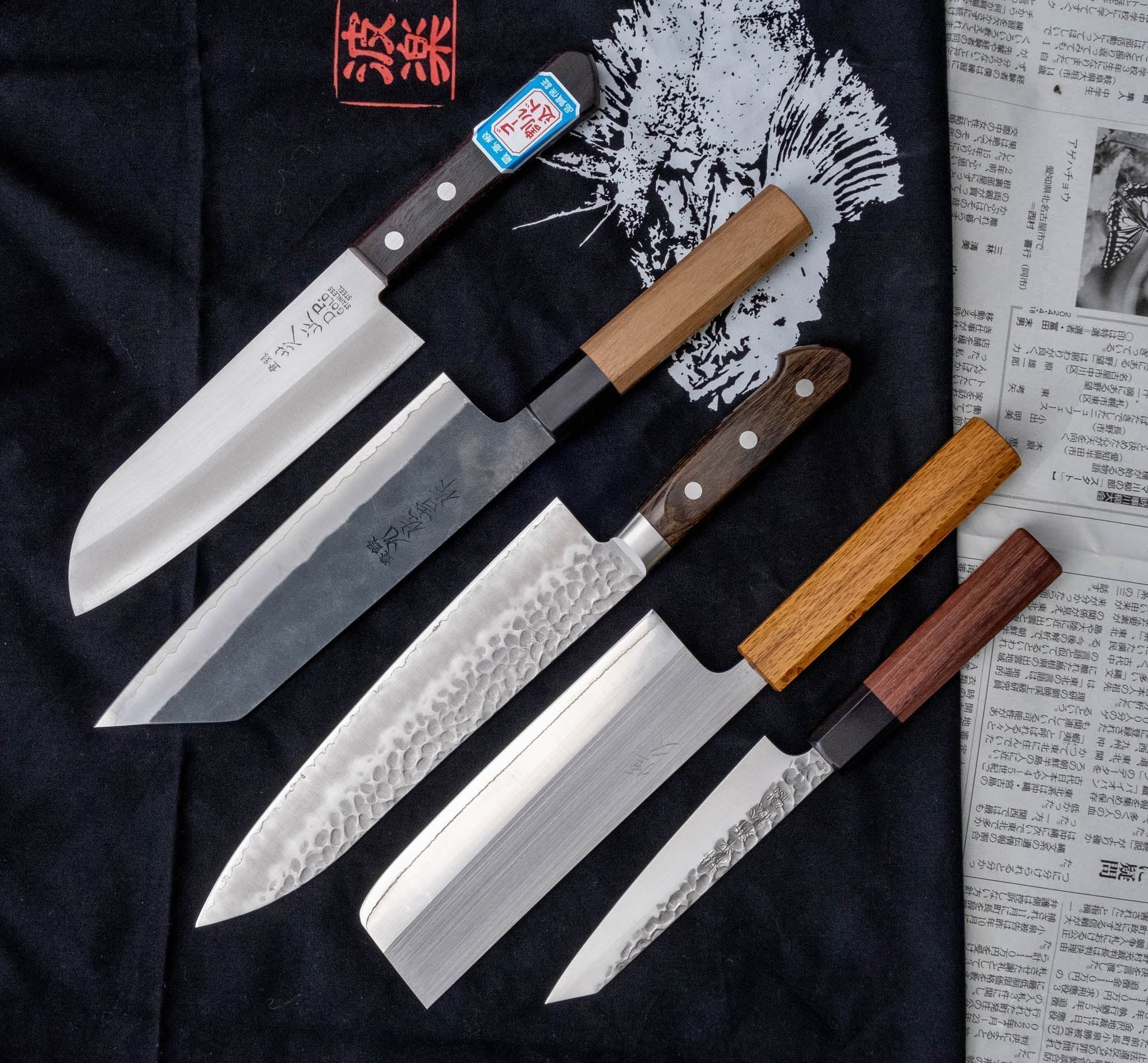
Decoding Quality: Anatomy and Materials of a High Quality Kitchen Knife
Understanding what constitutes high quality kitchen knives begins with examining their core components: the blade and the handle. Each element plays a crucial role in performance, durability, and the overall cooking experience.
The Blade: The Heart of the Knife
The blade is where the magic happens, and its quality is determined by both the material it’s made from and how it’s constructed.
Materials Matter: What Your Blade Is Made Of
When it comes to high quality kitchen knives, blade materials are paramount.
- High-Carbon Stainless Steel: This is the darling of many professional kitchens, offering an excellent balance of properties. It combines the rust-resistant qualities of stainless steel with the edge retention and hardness of carbon steel. This alloy allows a knife to stay sharp for longer and resist staining, making it a low-maintenance, high-performance choice for many home cooks and chefs alike.
- Carbon Steel: Prized for its ability to take and hold an incredibly sharp edge, carbon steel is favored by some chefs for its superior cutting performance. However, these blades require diligent care, as they are prone to rust and discoloration if not immediately cleaned and dried after use. The unique “patina” that develops on carbon steel over time is often cherished by its users as a mark of a well-loved tool.
- Damascus Steel: Visually stunning, Damascus steel blades are known for their distinctive wavy patterns, which result from a centuries-old forging process involving layering different types of steel. Beyond aesthetics, this material is celebrated for its exceptional strength, durability, and ability to hold a keen edge, making it a premium choice for high quality kitchen knives.
- Ceramic: Extremely hard and non-reactive, ceramic knives can hold their edge for an incredibly long time and are impervious to acids. However, their brittleness makes them susceptible to chipping or breaking if dropped or used on hard surfaces, limiting their versatility.
Construction: Forged vs. Stamped
The way a blade is formed significantly impacts its quality and characteristics.
- Forged Knives: Traditionally, forged high quality kitchen knives are crafted from a single bar of steel, heated, and then hammered into shape. This process creates a stronger, denser blade with a full bolster (the thick part between the blade and handle) that adds balance and protects your fingers. Forged knives are typically heavier, feel more substantial, and are often seen as heirloom pieces built to last a lifetime.
- Stamped Knives: Stamped blades are cut from large sheets of steel and then ground and sharpened. While often more affordable, modern manufacturing techniques allow for very high quality stamped knives that are lighter, offer excellent performance, and can feature full tangs and superior materials. The key is to look beyond just the “stamped” label and evaluate the overall craftsmanship.
The Rockwell Hardness Scale (HRC)
A critical indicator of a blade’s quality is its hardness, often measured on the Rockwell scale (HRC). For high quality kitchen knives, a hardness of 56 HRC or above is generally desirable. Harder blades hold an edge longer but can be more brittle; softer blades are easier to sharpen but may require more frequent maintenance. It’s a balance that manufacturers carefully calibrate.
The Handle: Comfort and Control
The handle of a high quality kitchen knife is just as important as the blade, dictating comfort, control, and safety.
- Ergonomics: A good handle should feel comfortable and secure in your hand, preventing fatigue during long cooking sessions. It should provide a firm grip, even when wet.
- Materials: Handles are crafted from various materials, including natural wood (beautiful but requires more care), synthetic composites (durable and hygienic), and even stainless steel. Each offers a different feel and aesthetic.
- Full Tang: For optimal balance and durability, many high quality kitchen knives feature a “full tang,” meaning the blade’s steel extends all the way through the handle. This provides superior strength and helps the knife feel like a natural extension of your arm.
The Bolster: Safety and Balance
Often found on forged knives, the bolster is the thick piece of steel where the blade meets the handle. It serves two main purposes: adding weight for balance and acting as a finger guard, preventing your hand from slipping onto the sharp blade.
Essential Blades for Every Kitchen: Types of High Quality Kitchen Knives
While the market boasts a dizzying array of specialty knives, a few key types of high quality kitchen knives form the backbone of any serious cook’s arsenal.
The Chef’s Knife: Your Culinary Workhorse
The chef’s knife is arguably the most important and versatile of all high quality kitchen knives. Typically ranging from 6 to 12 inches, with 8 inches being a popular choice for home cooks, its curved blade allows for a fluid rocking motion essential for chopping herbs, dicing vegetables, and slicing meats. A well-balanced chef’s knife feels like an extension of your hand, making countless kitchen tasks effortless.
The Paring Knife: Precision in Your Palm
Small yet mighty, the paring knife (typically 2.5 to 4 inches) is indispensable for intricate tasks. Peeling fruits and vegetables, mincing garlic, deveining shrimp, or creating delicate garnishes are all made easy with this precise tool.
The Serrated or Bread Knife: Conquering Crusts
With its saw-like edge, a serrated knife is designed to glide through items with tough exteriors and soft interiors without crushing them. Think crusty bread, ripe tomatoes, or delicate pastries. A high quality kitchen knife of this type will make clean cuts without tearing.
The Santoku Knife: The Japanese All-Rounder
The Santoku, a Japanese-style all-purpose knife, means “three virtues” or “three uses,” referring to its ability to handle meat, fish, and vegetables with ease. Characterized by its flatter profile and often a “Grantons edge” (dimples on the blade to prevent food from sticking), it offers a different cutting experience than a Western chef’s knife, favoring a more up-and-down chopping motion.
The Utility Knife: The Versatile Mid-Size
Filling the gap between a chef’s knife and a paring knife, a utility knife (4 to 7 inches) is perfect for tasks that are too big for a paring knife but too small or delicate for a chef’s knife. It’s ideal for slicing sandwiches, trimming smaller cuts of meat, or preparing larger vegetables.
Beyond these essentials, you might encounter specialty high quality kitchen knives like boning knives, filleting knives, cleavers, or even regional variations like the Gyuto (Japanese chef’s knife), Bunka, Nakiri, Usuba, Yanagiba, or Sujihiki, each designed for specific culinary pursuits.
Choosing Your Perfect Edge: A Buyer’s Guide to High Quality Kitchen Knives
Selecting the right high quality kitchen knives can feel daunting with so many options available. Here’s how to approach this important decision.
Assess Your Needs and Cooking Style
Before anything else, consider how you cook. Are you primarily chopping vegetables, butchering meats, or preparing delicate fish? The types of dishes you make most often will guide your choices. If you only cook occasionally, a few versatile high quality kitchen knives might suffice. If you’re a passionate home chef, a broader collection makes sense.
The “Feel” Test: Balance and Comfort
This is perhaps the most crucial step. A high quality kitchen knife should feel natural in your hand, almost like an extension of your arm.
“A truly great knife just melts into your hand,” observes Chef Alistair Finch, a seasoned culinary instructor. “It shouldn’t feel like a separate tool, but a part of your intention. If it feels right, it is right.”
Look for good balance – not necessarily equal weight in blade and handle, but a comfortable center of gravity that makes the knife easy to control. Ensure enough knuckle clearance when using a chef’s knife on a cutting board. If you can, physically hold and try out different knives before buying, especially the core pieces like a chef’s knife.
Consider Maintenance Willingness
Be honest with yourself about how much effort you’re willing to put into knife care. If you prefer minimal maintenance, high-carbon stainless steel high quality kitchen knives are an excellent choice. If you’re dedicated to achieving the sharpest edge and don’t mind the extra cleaning and drying, carbon steel might be for you.
Budget: An Investment, Not an Expense
While high quality kitchen knives can represent a significant upfront investment, view them as tools that will last decades, even generations, with proper care. You don’t need to buy an entire set at once. Many experts recommend starting with one excellent chef’s knife or a small set of essentials and building your collection over time. You can often be more flexible with less frequently used knives.
German vs. Japanese Approaches
The two dominant philosophies in high quality kitchen knives are German and Japanese.
- German Knives: Tend to be heavier, made from softer, tougher steel (around 56-58 HRC), and designed for durability and resisting abuse. They often feature a more pronounced curve, ideal for a rocking chop. They may require more frequent honing to maintain their edge.
- Japanese Knives: Typically lighter, made from harder, thinner steel (59-65+ HRC), and known for their exceptional sharpness and edge retention. They often have straighter profiles and are designed for precise push-cutting, though their hardness makes them more brittle and prone to chipping if misused.
Neither is inherently “better”; it’s about matching the knife to your preferred cutting style and maintenance habits.
Mastering the Blade: Basic Techniques and Care for Your High Quality Kitchen Knives
Owning high quality kitchen knives is only half the battle; knowing how to use and care for them is just as crucial for safety, performance, and longevity.
The Pinch Grip: Your Key to Control
For optimal control and safety, adopt the “pinch grip.” This involves pinching the heel of the blade between your thumb and forefinger, with the remaining fingers wrapped around the handle. This grip offers superior balance and maneuverability compared to holding the handle like a baseball bat.
Basic Cutting Techniques
While a full lesson is beyond this guide, familiarize yourself with fundamental techniques like the rocking chop for chef’s knives, the precise push-cut, and the gentle slicing motion. Good technique not only makes cooking easier but also protects your high quality kitchen knives from damage.
Cleaning and Storage: Preserve Your Edge
- Hand Wash Immediately: Always hand wash your high quality kitchen knives with mild soap and water immediately after use. Dishwashers can be harsh on blades and handles, causing damage and dulling.
- Dry Thoroughly: Moisture is the enemy of steel, even stainless steel. Dry your knives completely with a soft cloth to prevent water spots and rust.
- Proper Storage: Never toss knives into a drawer where they can jostle against other utensils, dulling their edges and posing a safety hazard. Use a knife block, magnetic strip, or blade guards to protect the edges and ensure safe access.
Sharpening and Honing: Keeping That Razor Edge
- Honing: A honing steel (or ceramic rod) is not for sharpening, but for realigning the microscopic edge of your high quality kitchen knives. Use it regularly, perhaps before each use, to maintain sharpness between true sharpenings.
- Sharpening: Over time, even the best knives will lose their edge and require sharpening. This process removes a tiny amount of steel to create a new, sharp edge. This can be done with whetstones, pull-through sharpeners, or by a professional service. How often depends on usage and blade material, but a high quality kitchen knife that’s frequently used might need sharpening every few months.
The Enduring Value: Why Invest in High Quality Kitchen Knives?
The decision to invest in high quality kitchen knives goes far beyond simply acquiring a tool. It’s about enhancing your entire culinary journey.
- Safety: A sharp knife is a safe knife. Dull blades require more force, increasing the risk of slips and accidents. High quality kitchen knives maintain their sharpness, allowing for precise, controlled cuts.
- Efficiency: From swiftly dicing onions to effortlessly slicing through a roast, sharp, well-balanced knives make prep work faster and more enjoyable. You’ll spend less time struggling and more time cooking.
- Enjoyment and Inspiration: There’s an undeniable satisfaction in using a tool that performs flawlessly. High quality kitchen knives can inspire creativity, encouraging you to try new recipes and techniques.
- Longevity: Unlike cheap knives that quickly dull and become unusable, high quality kitchen knives are built to last. With proper care, they can serve you for decades, making them a sustainable and economical choice in the long run.
- Professional Results: Whether you’re a home cook or an aspiring chef, using the right tools can significantly improve the quality of your dishes, allowing for cleaner cuts and better presentation.
FAQ: Your Questions About High Quality Kitchen Knives Answered
What makes a kitchen knife high quality?
A high quality kitchen knife is defined by its superior blade material (like high-carbon stainless steel or specific Japanese alloys), meticulous construction (often forged with a full tang), ergonomic balance and feel, and its ability to hold a sharp edge and be easily resharpened.
How often should I sharpen my high quality kitchen knives?
The frequency depends on usage and the blade’s material. Generally, regularly honing your knife (before each use or several times a week) helps maintain the edge. For true sharpening, every few months for a frequently used high quality kitchen knife is a good benchmark, or when honing no longer restores its cutting performance.
What’s the difference between German and Japanese high quality knives?
German knives typically feature tougher, softer steel for durability, a curved blade for rocking cuts, and a heavier feel. Japanese high quality kitchen knives often use harder, thinner steel for superior sharpness and edge retention, a flatter profile for push-cutting, and are lighter, though more prone to chipping.
Can high quality stainless steel knives rust?
While “stainless” steel is highly resistant to rust and corrosion due to its chromium content, it is not entirely rust-proof. Even high quality kitchen knives made from stainless steel can develop rust or stains if left wet, exposed to acidic foods for too long, or cleaned with harsh abrasives. Proper cleaning and drying are essential.
Is a knife set or individual knives better for high quality?
For acquiring high quality kitchen knives, buying individual knives is often recommended over sets. While sets can be convenient, they often include knives you may rarely use, and the quality of all knives in a set might not be consistently high. Purchasing individual knives allows you to invest in the specific, high-quality tools you genuinely need and will use regularly.
Conclusion: Embrace the Craft
Choosing high quality kitchen knives is a journey that will profoundly impact your daily cooking. By understanding the intricate details of blade materials, construction, and the nuances of balance and feel, you’re not just making a purchase—you’re making an investment in your culinary future. Embrace the craft, care for your blades, and watch as your high quality kitchen knives become cherished companions, bringing precision, joy, and efficiency to every meal you create.