Every home chef, from the budding enthusiast to the seasoned culinary artist, understands the profound difference a good Kitchen Knife Set makes. It’s not just about having a collection of blades; it’s about equipping yourself with the right tools for precision, efficiency, and safety in your culinary journey. A well-chosen kitchen knife set elevates your cooking, turning mundane tasks into moments of joy and creativity.
The Enduring Legacy: A Brief History of Kitchen Knives and Sets
The story of the kitchen knife is as old as cooking itself. Early humans fashioned rudimentary cutting tools from stone and bone, constantly seeking sharper, more effective edges. Over millennia, as metallurgy advanced, so did the sophistication of knives. From ancient bronze blades to the resilient steel of the Middle Ages, the knife evolved alongside human civilization and culinary practices. The concept of a “set” emerged as cooking became more specialized, requiring different blades for diverse tasks – slicing meats, dicing vegetables, peeling fruits, or carving roasts. Today, a modern kitchen knife set is a testament to centuries of innovation, offering a specialized tool for virtually every kitchen need. This evolution has led to a diverse market, ensuring there’s a perfect kitchen knife set out there for everyone.
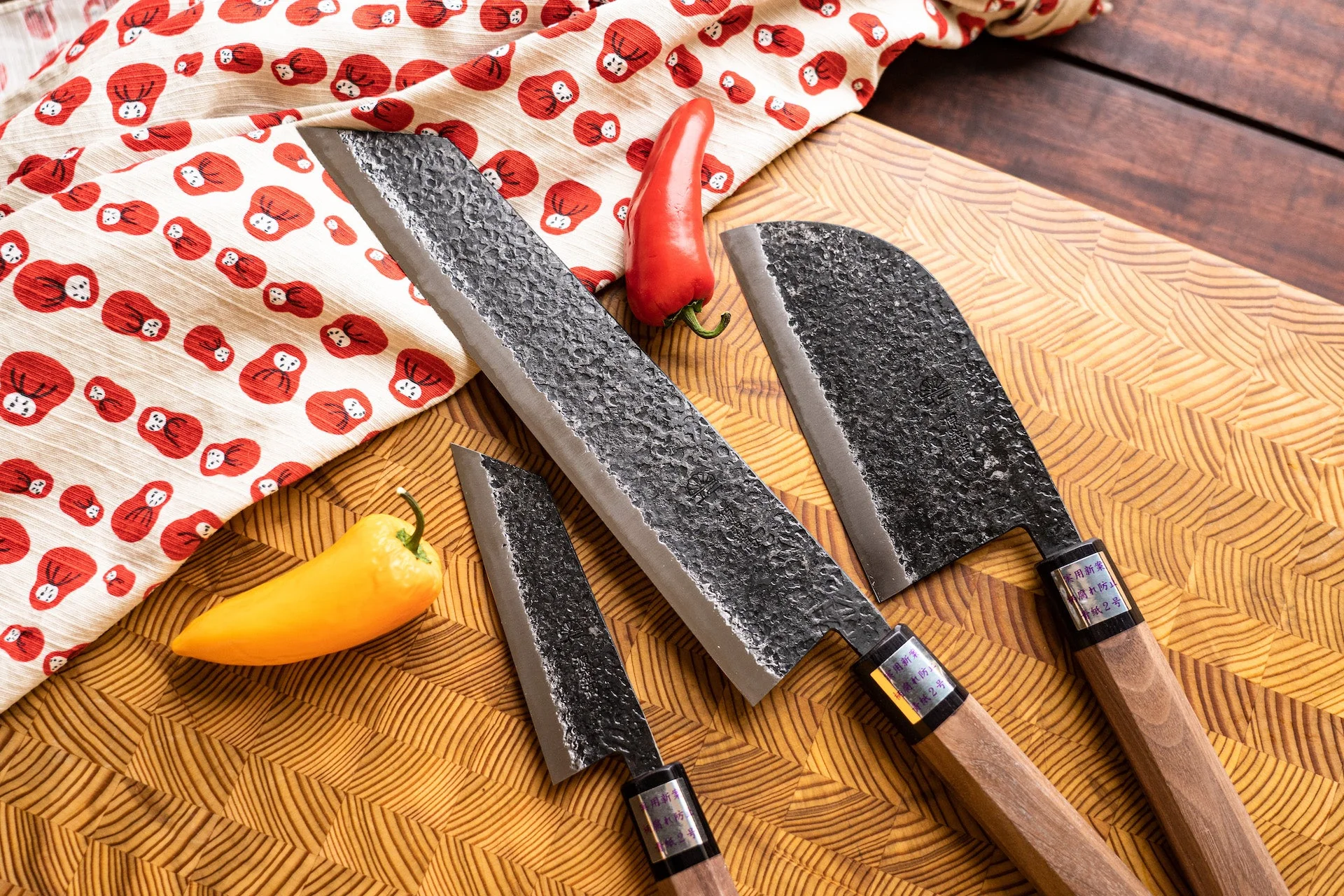
What Makes a Great Kitchen Knife Set? Materials, Construction, and Ergonomics
Choosing a kitchen knife set isn’t just about aesthetics; it’s about understanding the core components that dictate performance and longevity.
Blade Materials: The Edge of Excellence
The blade is the heart of any knife. Most high-quality kitchen knife sets feature blades made from stainless steel, often high-carbon stainless steel. This alloy offers a superb balance of sharpness, edge retention, toughness, and crucial resistance to rust and corrosion, making it ideal for the demanding kitchen environment. While traditional carbon steel offers exceptional sharpness, it demands rigorous maintenance to prevent rust. Some modern sets also include ceramic knives, known for their incredible sharpness and ability to hold an edge, though they can be more brittle than steel. Japanese stainless steel, often cryogenically tempered, is renowned for its higher hardness rating, resulting in lighter, more durable blades that stay sharp longer.
Handle Materials: A Grip on Comfort and Control
The handle material contributes significantly to a knife’s balance, comfort, and safety. Common options include:
- Wood: Offers a classic look and comfortable grip but requires careful maintenance to prevent drying out or cracking, and often isn’t dishwasher safe.
- Composite/Synthetic (e.g., Pakkawood, Micarta, POM): Durable, moisture-resistant, and often ergonomically designed for extended use. Many professional chefs prefer these for their hygiene and longevity.
- Stainless Steel: Provides excellent durability and hygiene but can sometimes be slippery when wet and may feel heavier.
Regardless of the material, a good handle should feel balanced and comfortable in your hand, preventing fatigue during long prep sessions.
Construction: Forged, Stamped, and the Full Tang Advantage
The way a knife is constructed impacts its durability and performance:
- Forged Knives: Made from a single piece of steel heated and hammered into shape. This process creates a stronger, heavier blade with a bolster (the thick part between the blade and handle) that adds balance and protects your fingers. Many consider forged knives heirlooms, built to last a lifetime with proper care.
- Stamped Knives: Cut from a sheet of steel and then ground and sharpened. They are generally lighter and more affordable than forged knives but may not offer the same balance or edge retention.
A key feature to look for in a quality kitchen knife set is a full tang design, where the blade metal extends the full length of the handle. This provides superior balance and strength, ensuring the knife won’t break or loosen over time.
Balance and Ergonomics: The Chef’s Secret
“A well-balanced knife feels like an extension of your hand,” observes Chef Antoine Dubois, a renowned culinary instructor. “It reduces strain and allows for fluid, precise movements, which is essential for both safety and efficiency in the kitchen.” The balance point of a knife typically lies where the blade meets the handle. Ergonomics, or how comfortably the handle fits your hand, is equally vital. Test how a knife feels; it should be comfortable, secure, and intuitive to wield.
The Essential Arsenal: Knives You’ll Find in a Quality Set
While some sets boast dozens of knives, a truly effective kitchen knife set focuses on versatility and necessity. According to James Beard Award-winning chef Tony Messina, a home cook primarily needs a good chef’s knife, a paring knife, and a serrated utility or bread knife.
Chef’s Knife: The Workhorse of the Kitchen
Often 8-inches, this is the most versatile knife in any kitchen knife set. Its curved blade allows for a rocking motion ideal for chopping, dicing, mincing, and slicing a wide variety of ingredients, from vegetables to meats.
Paring Knife: Precision Master
Typically 3-4 inches, this small, agile knife is perfect for delicate tasks like peeling fruits and vegetables, mincing garlic, trimming fat, or creating intricate garnishes.
Utility Knife: The Versatile Helper
Usually 4-6 inches, it’s larger than a paring knife but smaller than a chef’s knife, making it suitable for tasks that require more precision than a chef’s knife but less power, such as slicing sandwiches or smaller vegetables.
Bread Knife: The Serrated Slicer
With its long, serrated blade, a bread knife glides effortlessly through crusty loaves without crushing the delicate interior. It’s also excellent for slicing soft fruits like tomatoes.
Carving Knife: For Roasts and More
Often long and slender with a pointed tip, this knife is designed for slicing cooked meats like roasts, poultry, and fish into clean, even portions.
Santoku Knife: The Japanese All-Rounder
A Japanese-style knife with a straighter edge than a chef’s knife and a “sheep’s foot” tip. Its design is ideal for precise, thin slices, dicing, and mincing, particularly favored for vegetables, fish, and boneless meats. Many Santoku knives feature a Granton edge (dimples) to prevent food from sticking.
Navigating the Market: Choosing the Right Kitchen Knife Set for You
Selecting the perfect kitchen knife set can feel daunting with so many options. Here’s how to simplify your choice:
Consider Your Cooking Style and Needs
Are you a minimalist home cook who needs just the essentials, or an adventurous chef requiring specialized tools? Think about the types of meals you prepare most often. A smaller, focused set might be ideal for compact kitchens or beginner cooks, while a larger collection suits those who cook frequently and diversely.
Budget vs. Investment
Kitchen knife sets range widely in price. While budget-friendly options can be serviceable, investing in a higher-quality set often means superior performance, better durability, and a longer lifespan. Consider your knife set an investment in your kitchen and culinary passion.
Set Size and Storage
Evaluate the number of knives included and how they will be stored. Many sets come with a knife block, which offers safe and organized counter storage. Other options include magnetic strips or in-drawer organizers. Ensure the set fits your kitchen space and storage preferences.
Brand Reputation and Warranty
Established brands often signify quality and reliability. Look for manufacturers with a strong reputation and good customer service. A lifetime warranty, as offered by some brands, speaks volumes about their confidence in their product’s durability.
Mastering the Blade: Care and Maintenance for Your Kitchen Knife Set
A quality kitchen knife set can last a lifetime, but only with proper care. “Treat your knives with respect, and they will serve you faithfully for years,” advises Maria Sanchez, a professional kitchenware restorer.
Cleaning and Drying: The Golden Rule
Always hand wash your knives immediately after use with warm, soapy water and a non-abrasive sponge. Crucially, dry them thoroughly with a clean cloth right away. Leaving knives wet, especially in the sink, can lead to rust spots and discoloration, even with stainless steel.
Stay Away from the Dishwasher!
This is perhaps the most important rule. The harsh detergents, high heat, and jostling inside a dishwasher can dull blades, damage handles (especially wooden ones), and even pose a safety risk.
Honing vs. Sharpening: Keeping Your Edge Keen
- Honing: Regularly using a honing steel (the rod often included in a knife set) realigns the microscopic edge of your blade, keeping it keen. It doesn’t remove metal but straightens the edge. Many chefs hone their knives before or after each use.
- Sharpening: When honing no longer restores the edge, sharpening is needed. This process actually removes a small amount of metal to create a new, sharp edge, usually done with whetstones or a professional sharpening service.
Safe Storage: Protecting Your Investment
Proper storage prevents damage to blades and keeps them safely out of reach. Options include:
- Knife Blocks: A common and convenient way to store knives on the countertop, protecting the edges.
- Magnetic Strips: Wall-mounted strips that display knives safely and stylishly.
- In-Drawer Organizers/Sheaths: Keep knives separate and protected within a drawer.
Why Invest in a Premium Kitchen Knife Set?
Investing in a high-quality kitchen knife set offers numerous benefits that extend beyond mere functionality:
- Enhanced Precision and Control: Sharp, well-balanced knives allow for cleaner cuts, making food preparation more accurate and enjoyable.
- Increased Safety: Counter-intuitively, sharp knives are safer than dull ones. They require less force, reducing the chance of slips and accidents.
- Durability and Longevity: Premium materials and construction mean your knives will withstand years of regular use, becoming reliable companions in your kitchen.
- Efficiency in the Kitchen: The right knife for the job saves time and effort, making cooking a more fluid and less frustrating experience.
- Elevated Culinary Experience: There’s a certain satisfaction that comes from working with tools that perform flawlessly. A quality kitchen knife set inspires confidence and creativity, transforming everyday cooking into an art.
A well-chosen kitchen knife set is more than just a collection of utensils; it’s a foundation for culinary success and a source of lasting pleasure. By understanding the key elements of materials, construction, and care, you can select a set that will not only meet your needs but also inspire you to explore new gastronomic horizons. Whether you’re preparing a simple weeknight meal or a grand feast, the right kitchen knife set will be your most trusted ally.