In the culinary world, where precision and passion intertwine, the right tools can elevate a chef’s artistry from good to truly exceptional. Among these, the kitchen knife stands supreme, and few names resonate with as much reverence as Kramer By Zwilling. It’s more than just a collaboration; it’s a fusion of unparalleled craftsmanship and cutting-edge engineering, delivering an experience that redefines what a kitchen knife can be. If you’ve ever dreamt of a blade that moves as an extension of your hand, effortlessly gliding through ingredients, then understanding the world of Kramer by Zwilling is your next culinary quest. This article will unravel the rich history, intricate materials, distinctive collections, and essential care that make these knives a cornerstone of the professional and home kitchen alike.
The Legacy Forged: History of Kramer by Zwilling
The story of Kramer by Zwilling is a compelling narrative where centuries of German precision meet the visionary artistry of an American master. Bob Kramer, often hailed as “The Master of the Blade” by Saveur Magazine, has spent decades perfecting the craft of bladesmithing. His custom knives are legendary, commanding prices typically reserved for fine art, and are coveted by top chefs and collectors worldwide for their extraordinary performance and unique aesthetic.
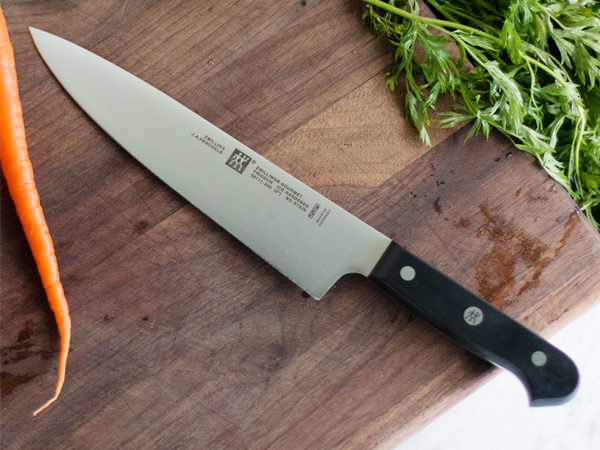
Zwilling J.A. Henckels, on the other hand, boasts a heritage spanning over 290 years, synonymous with high-quality forged cutlery. Their expertise in metallurgy, heat treatment, and manufacturing processes is globally recognized. The partnership between Kramer and Zwilling brought Bob Kramer’s distinct designs and uncompromising standards to a wider audience, producing knives that embody both his artistic vision and Zwilling’s industrial prowess. These exceptional blades are meticulously crafted in Zwilling’s factories in Seki, Japan, a city with a rich history of samurai sword making, blending German engineering with traditional Japanese craftsmanship.
Anatomy of Excellence: Key Components and Materials
What sets Kramer by Zwilling knives apart is the meticulous attention to detail in every component, from the formidable blade to the ergonomically designed handle.
The Blade: Heart of the Knife
At the core of every Kramer by Zwilling knife is Bob Kramer’s signature wide-blade profile. This distinctive design isn’t just for show; it’s engineered for maximum knuckle clearance, allowing even those with larger hands to work comfortably and safely. The generous blade surface also makes it incredibly efficient for scooping and transporting chopped ingredients, a small but significant detail that streamlines kitchen workflow.
The choice of steel for the blade is where much of the magic happens, offering different experiences tailored to various preferences:
- SG2 Micro Carbide Powder Steel: Found in lines like the Euroline Stainless Damascus and Cumulus, this premium steel boasts an impressive Rockwell hardness of 63. This extreme hardness translates to exceptional edge retention, meaning your blade stays incredibly sharp for extended periods. It’s often protected by 100 or 101 layers of stainless steel, forming exquisite Damascus patterns that are as beautiful as they are functional.
- FC61 Fine Carbide Steel: Utilized in the Meiji and Essential collections, FC61 offers a slightly lower, yet still robust, Rockwell hardness of 61. This steel provides an excellent balance of sharpness, durability, and ease of maintenance, making it a fantastic choice for ambitious home cooks. Like its SG2 counterpart, it frequently features stunning Damascus layering.
- 52100 Carbon Steel: The Carbon 2.0 series (and the original Carbon Collection) embraces this traditional steel, favored by purists for its unparalleled ability to achieve an incredibly keen, razor-sharp edge. With a Rockwell hardness of 61, 52100 carbon steel is known for its exquisite cutting performance. However, it requires a different level of care; it will develop a unique patina over time and needs diligent cleaning and oiling to prevent rust. As Chef Julian Vance, a renowned expert in high-performance cutlery, often remarks, “A carbon steel Kramer by Zwilling knife isn’t just a tool; it’s a relationship. It demands your attention, but it rewards you with a cutting experience few other steels can match.”
Beyond the core steel, the aesthetic appeal of many Kramer by Zwilling blades comes from their intricate Damascus patterns, particularly the stunning “Chevron Damascus.” These layered designs are not merely decorative; they contribute to the blade’s resilience and help prevent food from sticking.
The Handle: A Perfect Grip
A great blade is only as good as the handle that guides it. Kramer by Zwilling handles are designed for comfort, control, and durability, often featuring Bob Kramer’s distinctive mosaic pin. Materials vary across collections:
- Black Linen Micarta: A common choice for lines like the Euroline Stainless Damascus, Micarta is a composite material known for its stability, durability, and excellent grip, even when wet. It offers a sophisticated, modern aesthetic.
- Pakkawood: Featured in the Meiji series, Pakkawood is a composite of wood veneers and resin, offering the beauty of natural wood with enhanced water resistance and durability. The Meiji often sports a D-shaped handle, a nod to traditional Japanese knife design.
- Grenadille Wood: The original Carbon Collection showcased hand-shaped Grenadille wood handles with brass rivets, providing a classic look and a warm, natural feel. These handles, like carbon steel blades, may require specific care to maintain their integrity.
- Durable Synthetics: Some lines, like the Essential and certain Carbon 2.0 versions, utilize high-quality synthetic polymer handles, designed for robustness and ease of cleaning, ensuring a secure and comfortable grip.
Kramer by Zwilling Collections: Finding Your Culinary Partner
The Kramer by Zwilling partnership has yielded several distinct knife collections, each with its unique charm and performance characteristics.
Kramer by Zwilling Euroline Stainless Damascus
This collection is a true workhorse wrapped in art. Featuring an SG2 micro carbide powder steel core, it delivers exceptional sharpness and edge retention. The blade is enveloped in 100 layers of stunning Chevron Damascus, making each knife visually unique. The black linen Micarta handle provides a secure and comfortable grip, making it a favorite for those who value both aesthetics and uncompromising performance.
Kramer by Zwilling Meiji
The Meiji series pays homage to traditional Japanese knife-making while maintaining Kramer’s distinct profile. These knives feature an FC61 fine carbide steel core, encased in 100 layers of Damascus. The elegant Pakkawood handle, often in a traditional D-shape, offers a unique ergonomic feel, appealing to chefs who appreciate a blend of Eastern and Western design philosophies.
Kramer by Zwilling Carbon 2.0 and Original Carbon Collection
For the culinary purist, the Carbon 2.0 (and its predecessor, the original Carbon Collection) is the ultimate choice. These knives boast a core of 52100 carbon steel, celebrated for its ability to take and hold an incredibly keen edge. While requiring more diligent care to prevent rust and encourage a protective patina, the cutting experience is often described as unparalleled. Many carbon steel models also feature a design without a full bolster, which allows for easier sharpening of the entire blade length.
Kramer by Zwilling Essential
As the name suggests, the Essential collection provides an accessible entry point into the Kramer by Zwilling world. It typically features an FC61 steel blade and a robust synthetic handle. It retains the signature Kramer geometry and high-performance edge without the more elaborate Damascus patterns or premium handle materials, offering exceptional value for its performance.
Kramer by Zwilling Cumulus
With its striking white Micarta handle and SG2 powder steel core surrounded by 101 layers of Damascus, the Cumulus collection offers a fresh, modern aesthetic alongside the cutting prowess expected from a Kramer by Zwilling knife.
Choosing Your Edge: Selecting the Right Kramer by Zwilling Knife
Selecting your ideal Kramer by Zwilling knife is a personal journey. Consider these factors:
- Your Cooking Style: Do you primarily chop vegetables, slice proteins, or perform intricate tasks? While a chef’s knife is versatile, a santoku or utility knife might better suit specific needs.
- Maintenance Commitment: Are you willing to embrace the unique care requirements of carbon steel, or do you prefer the lower maintenance of stainless steel?
- Handle Preference: Do you prefer the classic feel of wood, the modern grip of Micarta, or the traditional Japanese D-shape?
- Blade Size: Kramer by Zwilling knives come in various lengths, from compact paring knives to substantial chef’s knives. Choose a size that feels balanced and comfortable in your hand for your most common tasks.
Remember, a high-quality knife is an investment. Take the time to consider what truly resonates with your culinary habits and preferences.
Mastering the Cut: Techniques for Using Your Kramer by Zwilling Knife
Once you have your Kramer by Zwilling knife, mastering its use will unlock its full potential.
- The Pinch Grip: This is the foundational grip for control and safety. Pinch the base of the blade between your thumb and forefinger, wrapping your remaining fingers around the handle. This grip offers superior control over the blade’s tip.
- Rocking vs. Push-Cut: Kramer’s wide blade excels at both. The rocking motion is ideal for mincing herbs and garlic, using the blade’s curvature. For tougher vegetables or precise slicing, a push-cut motion, utilizing the entire length of the sharp edge, is highly effective.
- Utilizing the Wide Blade: Don’t just use it for cutting; its width makes it an excellent tool for scooping ingredients directly from your cutting board into a pan or bowl, minimizing mess and increasing efficiency.
Preserving Perfection: Care, Maintenance, and Sharpening
To ensure your Kramer by Zwilling knife lasts a lifetime and performs at its peak, proper care is paramount.
Daily Care
- Hand Wash Only: This cannot be stressed enough. Never put your Kramer by Zwilling knife in the dishwasher. The harsh detergents and high heat can corrode the blade, damage the handle, and dull the edge.
- Immediate Drying: After hand washing with mild soap and water, immediately dry your knife thoroughly with a soft cloth. This is especially crucial for carbon steel blades to prevent rust.
- Wipe Between Cuts (Carbon Steel): If using a carbon steel knife, wipe the blade clean with a towel between cutting different foods, particularly acidic ones like tomatoes or onions, to prevent premature staining or reactivity.
Carbon Steel Specifics
Carbon steel knives will develop a unique patina—a natural oxidation layer—over time. This is normal and actually helps protect against rust. To further care for carbon steel and wood handles:
- Oiling: Apply a food-safe oil, such as Camellia oil, to the carbon steel blade after use and drying. For wood handles, a polymerized linseed oil or Danish wood oil will keep them nourished and prevent drying or cracking. Apply sparingly, let it soak, then wipe off any excess.
Sharpening and Honing
Maintaining the razor-sharp edge of your Kramer by Zwilling knife is essential for performance.
- Honing vs. Sharpening: Honing realigns a slightly dulled edge, while sharpening actually removes material to create a new edge. Regular honing with a ceramic or fine steel honing rod (at a 15-degree angle per side) will extend the time between sharpenings.
- Water Stones: For true sharpening, water stones are highly recommended. Start with a coarser grit (e.g., 400 or 1000) to reshape the edge, then progress to finer grits (e.g., 5000 or 10000) for a polished finish. Remember to soak most water stones before use and maintain a consistent 10-15 degree angle. A Nagura stone can be used to create a slurry on finer stones for an even smoother polish.
- Stropping: For the ultimate razor edge, strop your blade on a leather strop with a chromium oxide compound. This process polishes off any microscopic burrs, resulting in an incredibly sharp, hair-popping edge.
Why Invest? The Value of a Kramer by Zwilling Knife
Investing in a Kramer by Zwilling knife is more than just buying a kitchen tool; it’s acquiring a piece of culinary art that offers tangible benefits:
- Unparalleled Performance: The meticulous design and premium materials translate to an effortless cutting experience, making kitchen tasks more enjoyable and efficient.
- Precision and Control: The ergonomic handles and balanced weight provide exceptional control, allowing for intricate cuts and safer operation.
- Exceptional Edge Retention: Depending on the steel, these knives maintain their sharpness for significantly longer than standard cutlery, reducing the frequency of sharpening.
- Durability and Longevity: Built to last a lifetime, a Kramer by Zwilling knife is a legacy item that can be passed down through generations.
- Enhanced Culinary Experience: A superior knife transforms cooking from a chore into a meditative, satisfying art form, encouraging creativity and confidence in the kitchen.
Frequently Asked Questions (FAQ)
What makes Kramer by Zwilling knives so special?
Kramer by Zwilling knives are special due to the unique collaboration between master bladesmith Bob Kramer and Zwilling J.A. Henckels, combining Kramer’s signature wide-blade design and uncompromising performance standards with Zwilling’s centuries of manufacturing expertise. They feature premium steels like SG2 and 52100 carbon, and are meticulously crafted in Seki, Japan.
Are Kramer by Zwilling carbon steel knives difficult to maintain?
Kramer by Zwilling carbon steel knives require more diligent care than stainless steel. They must be hand-washed and dried immediately after each use, and often oiled, to prevent rust. They also develop a natural patina over time, which is normal and protective, but requires understanding.
Can I put my Kramer by Zwilling knife in the dishwasher?
No, absolutely not. Dishwashers can severely damage both the blade and the handle of a Kramer by Zwilling knife, leading to corrosion, dulling, and cracking. Always hand wash and dry your knife.
What’s the best way to sharpen a Kramer by Zwilling knife?
The best way to sharpen a Kramer by Zwilling knife is using water stones at a consistent 10-15 degree angle, progressing from coarser to finer grits. Regular honing with a ceramic or fine steel rod between sharpenings also helps maintain the edge.
How do I tell the difference between the Kramer by Zwilling lines?
The main differences between Kramer by Zwilling lines often lie in their blade steel, handle material, and aesthetic details. For example, Euroline Stainless Damascus features SG2 steel and Micarta, Meiji uses FC61 steel and Pakkawood, and Carbon 2.0 uses 52100 carbon steel.
Conclusion
The world of Kramer by Zwilling represents the pinnacle of kitchen cutlery, a harmonious blend of traditional artistry and modern innovation. Each knife is a testament to the relentless pursuit of perfection, offering an unrivaled cutting experience that can transform your daily cooking into a profound culinary journey. Whether you are drawn to the aesthetic brilliance of Damascus steel, the raw performance of carbon steel, or the balanced precision of their stainless lines, investing in a Kramer by Zwilling knife is an investment in quality, heritage, and the sheer joy of cooking. Embrace the edge, care for it well, and let your Kramer by Zwilling knife be the cornerstone of countless delicious creations for years to come.