Stepping into any kitchen, whether you’re a seasoned culinary artist or a passionate home cook, you’ll quickly realize that the most crucial tools aren’t fancy gadgets or expensive appliances. They are, unequivocally, your knives. More specifically, a Sharp Knives Set is the silent workhorse, the foundation upon which all your culinary creations are built. Imagine trying to slice a ripe tomato with a dull blade – it’s not just frustrating, it’s downright dangerous. A well-maintained, sharp set of knives transforms daunting prep work into a smooth, enjoyable experience, elevating your cooking from mundane to masterful.
The Unsung Heroes of the Kitchen: What Makes a Sharp Knife Set Essential?
Many people mistakenly believe that dull knives are safer than sharp ones. This couldn’t be further from the truth. A dull knife requires more force to cut, increasing the likelihood of it slipping and causing a serious injury. A sharp blade, however, glides through food with minimal effort, giving you superior control and significantly reducing the risk of accidents. Beyond safety, a high-quality sharp knives set is an investment in your kitchen’s efficiency and your culinary precision. Imagine effortlessly dicing vegetables, carving a roast with clean slices, or finely mincing herbs – these are the joys a truly sharp set brings, making every task quicker, cleaner, and more satisfying.
Anatomy of a Superior Blade: Key Components and Materials
The performance of any knife, especially within a sharp knives set, boils down to its fundamental components: the blade and the handle. Understanding the materials used for each can significantly impact your buying decision and overall cooking experience.
Blade Materials: The Edge of Excellence
The blade is where the magic happens, and its material dictates its sharpness, edge retention, and maintenance needs.
- Stainless Steel: This is the most common and versatile material for kitchen knives. Known for its durability and resistance to rust and corrosion, stainless steel blades are relatively affordable and low maintenance, making them an excellent choice for most home cooks. However, they may require more frequent sharpening and might not hold an edge as long as other materials.
- High-Carbon Steel: Offering superior edge retention and the ability to achieve an incredibly sharp edge, high-carbon steel knives are a favorite among professional chefs. They are generally more durable than stainless steel but come with a trade-off: they are more susceptible to rust and staining, demanding diligent maintenance.
- Ceramic: Ceramic blades are celebrated for their razor-sharpness, lightweight nature, and complete resistance to rust and acidity. Once sharpened, they retain their edge for a remarkably long time. The downside? Ceramic is brittle and prone to chipping or breaking if dropped or twisted, and sharpening a dull ceramic blade often requires professional tools.
- Damascus Steel: While primarily known for its distinctive wavy pattern, Damascus steel (often a layered steel construction) is prized for both its aesthetic beauty and its robust performance, often found in high-end Japanese sharp knives sets. It combines the benefits of different steel types, offering a balance of sharpness and durability.
Handle Materials: Grip and Comfort
A knife is only as good as its handle’s comfort and grip.
- Wood: Classic and aesthetically pleasing, wooden handles offer a warm, natural feel. However, they can be porous, making them susceptible to bacteria absorption and more challenging to clean thoroughly, which is why they are less common in commercial kitchens.
- Synthetic Materials: Materials like plastic, composite, or resin are highly hygienic, durable, and often ergonomically designed for a comfortable, secure grip, even when wet. They are easy to clean and maintain, making them a practical choice for everyday use.
- Metal: Offering a sleek, modern look and excellent durability, metal handles can sometimes feel heavy or become slippery when wet. Good designs incorporate textures or shapes to improve grip.
Blade Construction: Forged vs. Stamped
Knives are primarily made using two methods:
- Forged Knives: Crafted from a single bar of steel, heated, and hammered into shape. This process creates a stronger, thicker, and generally more balanced blade with a bolster (the thick part between the blade and handle) for added durability and finger protection. They are typically heavier and more expensive.
- Stamped Knives: Cut from a large sheet of rolled steel, then ground, heat-treated, and sharpened. They are lighter, thinner, and generally more affordable. While they can be very sharp, they often lack the same balance and robustness of forged knives.
The Culinary Arsenal: Understanding Different Knife Types in a Set
A comprehensive sharp knives set equips you for virtually any culinary task. Here’s a breakdown of the essential knives you’ll typically find:
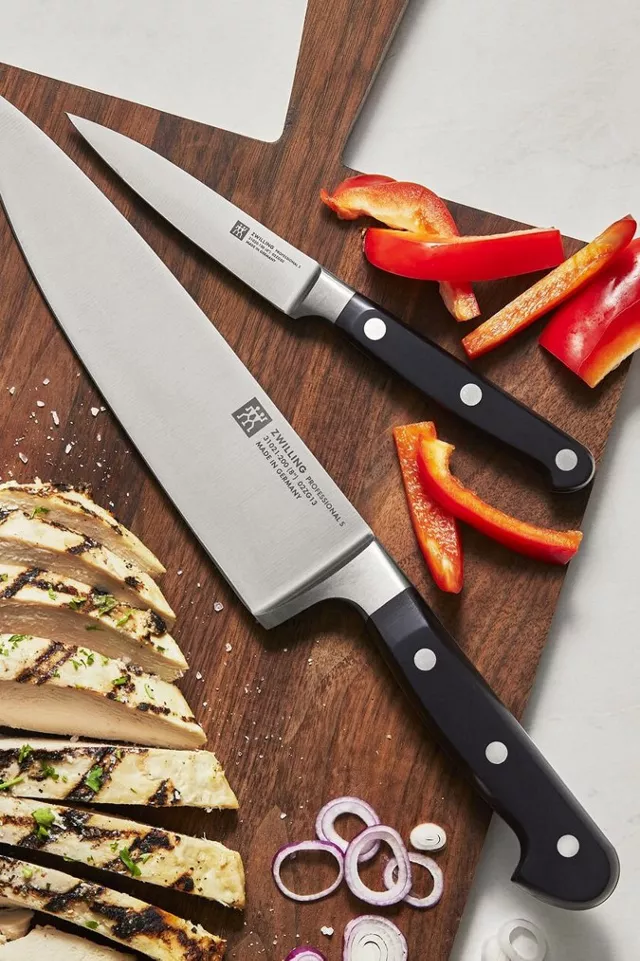
- Chef’s Knife: The undisputed workhorse of the kitchen. Its broad, curved blade is designed for a rocking motion, making it ideal for chopping, slicing, dicing, and mincing a wide variety of ingredients. If you only have one knife, make it a good chef’s knife.
- Paring Knife: Small, short, and nimble, the paring knife excels at delicate, intricate tasks that require precision. Think peeling fruits and vegetables, deveining shrimp, or creating garnishes.
- Utility Knife: Falling between a chef’s knife and a paring knife in size, the utility knife is an excellent all-rounder for tasks too small for a chef’s knife but too large for a paring knife. It’s perfect for slicing sandwiches or smaller vegetables.
- Serrated Bread Knife: With its distinctive saw-like edge, this long knife effortlessly cuts through crusty bread, tomatoes, and other soft foods without tearing or crushing them.
- Santoku Knife: A popular Japanese-style knife, the Santoku typically has a flatter blade profile and a “sheepsfoot” tip, making it excellent for precise, thin slices, dicing, and mincing, especially for vegetables and fish. Many come with Granton edges (dimples) to prevent food from sticking.
- Slicing/Carving Knife: Longer and thinner than a chef’s knife, these are designed to create uniform, thin slices of roasted meats, poultry, and larger fruits.
- Steak Knives: Often included in larger sets, these smaller, usually serrated knives are for individual place settings, designed to cut cooked meats at the table.
- Kitchen Shears: While not a knife, a good pair of kitchen shears is an invaluable addition to any set, useful for tasks like snipping herbs, cutting poultry bones, or opening packages.
Selecting Your Perfect Partner: A Guide to Choosing a Sharp Knife Set
Choosing the right sharp knives set can feel overwhelming with so many options available. Here’s how to navigate the selection process:
Assessing Your Needs
Consider your cooking style and frequency. Do you cook elaborate meals daily, or are you a weekend warrior? What types of foods do you prepare most often? A minimalist cook might only need an essential trio, while a more adventurous chef might benefit from a larger, specialized set.
Set Size and Contents
Don’t fall into the trap of thinking more knives equal better value. Often, a smaller set of high-quality, frequently used knives (like a chef’s, paring, and serrated bread knife) is a much better investment than a large set with many specialized knives you rarely use. Look for sets that offer the core essentials first, then consider adding specialty knives individually as your skills and needs evolve.
Budget Considerations
Sharp knives sets range widely in price. While top-tier brands offer exceptional performance and longevity, excellent value can also be found at more affordable price points. Focus on the blade material, construction (forged often signifies higher quality), and how comfortable the knives feel in your hand. Remember, it’s an investment that can last decades with proper care.
Storage Options
How you store your knives is crucial for maintaining their sharpness and safety.
- Knife Blocks: The most common option, often included with sets. Look for blocks with precision-engineered slots that protect the blades. Some modern blocks even feature integrated sharpeners, offering a convenient way to hone your knives with every use.
- Magnetic Strips: These wall-mounted strips save counter space and allow you to see your knives at a glance. Ensure blades are placed carefully to avoid nicks.
- In-Drawer Organizers: A safe and discreet option, these trays keep knives separated and protected within a kitchen drawer.
Balance and Comfort
Pick up the knives. Do they feel balanced in your hand? Is the handle comfortable and secure, even when slightly damp? A well-balanced knife reduces fatigue and provides better control, which is essential for precision and safety.
The Art of Precision: Mastering Knife Handling Techniques
Once you have your sharp knives set, the next step is learning how to use them safely and effectively.
The Proper Grip
The “pinch grip” is fundamental for control. Hold the handle firmly with your palm, then pinch the base of the blade (just in front of the bolster) between your thumb and forefinger. This grip provides stability and precision.
Basic Cutting Techniques
- Slicing: Use the full length of the blade, from heel to tip, in a smooth, confident motion.
- Dicing and Mincing: Employ a rocking motion with your chef’s knife, keeping the tip on the cutting board while lifting and lowering the heel.
- Safety First: Always keep your guiding hand (the one holding the food) in a “claw” position, with fingertips tucked back and knuckles pressed against the blade. Always cut away from your body and maintain a stable, non-slip cutting surface.
Preserving the Edge: Maintenance and Care for Your Sharp Knife Set
Even the finest sharp knives set will lose its edge without proper care. Longevity and peak performance depend on a consistent maintenance routine.
Cleaning Your Knives
- Handwashing is a Must: Always wash your knives immediately after use with mild soap and warm water. High heat, harsh detergents, and agitation in a dishwasher can damage the blade, handle, and dull the edge.
- Dry Thoroughly: After washing, immediately dry your knives with a clean, absorbent towel. Leaving them to air dry can lead to water spots or, worse, rust, especially on high-carbon steel blades. Moisture trapped in a knife block can also foster bacteria and mold.
Honing vs. Sharpening: Knowing the Difference
These terms are often used interchangeably, but they refer to distinct processes.
- Honing: This process realigns the microscopic edge of a knife blade that has bent out of true with use. A honing steel or ceramic rod straightens the edge, restoring its perceived sharpness. It’s a frequent maintenance task, ideally done before or after every few uses.
- Sharpening: This involves removing a small amount of metal from the blade to create a new, truly sharp edge. Sharpening is less frequent, typically needed every few months to a year, depending on usage.
Sharpening Tools
- Honing Rod: Essential for daily maintenance, realigning the blade’s edge.
- Whetstone: A traditional and highly effective tool for sharpening. It requires practice to maintain a consistent angle but yields exceptional results.
- Professional Sharpening Service: For those who prefer not to sharpen their own, a professional service can restore blades to their factory-sharp condition.
- Self-Sharpening Blocks: Some modern knife blocks incorporate ceramic or carbide sharpeners in the knife slots, which automatically hone the blade as you draw it in and out.
Cutting Surfaces
The surface you cut on significantly impacts knife sharpness. Opt for cutting boards made of wood, plastic, or polyethylene. Avoid hard surfaces like glass, stone, or metal, which will quickly dull or even damage your blade. “Using the right cutting board is like choosing the right road for your car,” advises Master Bladesmith Anya Sharma. “A soft, forgiving surface extends the life and edge of your knife, while a hard one grinds it down prematurely.”
Proper Storage
Never leave your knives loose in a drawer where they can jostle against other utensils, which can nick the blades and dull the edge. Always use a knife block, magnetic strip, or individual blade guards/sheaths to protect your sharp knives set and ensure safety.
The Payoff: Why Investing in a Quality Sharp Knife Set Matters
The decision to invest in a quality sharp knives set is one that pays dividends in every meal you prepare. It’s not just about owning tools; it’s about unlocking a more efficient, safer, and enjoyable cooking journey. You’ll experience:
- Enhanced Cooking Experience: The sheer pleasure of effortless cutting makes cooking less of a chore and more of an art.
- Increased Safety: Sharp knives are predictable knives, significantly reducing the risk of slips and cuts.
- Longevity and Durability: Well-crafted knives, properly maintained, will serve you for decades, becoming trusted companions in your culinary adventures.
- Professional Results: Achieve cleaner cuts, better presentation, and more consistent cooking with precision tools.
Frequently Asked Questions (FAQ)
How often should I sharpen my knives?
For regular home use, sharpening your knives every 3 to 6 months is generally sufficient. However, you should hone your knives much more frequently, ideally after every few uses or whenever you notice the edge feeling slightly less effective.
Can I put my knives in the dishwasher?
No, it is strongly recommended to handwash your knives immediately after use with mild soap and warm water. Dishwashers can expose knives to harsh detergents, high heat, and aggressive cycles that can dull blades, damage handles, and lead to corrosion.
What’s the difference between honing and sharpening?
Honing realigns the microscopic edge of a blade that has curled or bent over from use, restoring its immediate cutting ability. Sharpening, on the other hand, grinds away a small amount of metal to create a completely new, fresh edge, which is necessary when honing no longer provides sufficient sharpness.
What’s the best material for a knife blade?
The “best” material depends on your priorities. Stainless steel offers durability and low maintenance. High-carbon steel provides superior edge retention and sharpness but requires more care. Ceramic is exceptionally sharp and lightweight but brittle. For many home cooks, a good quality high-carbon stainless steel offers an excellent balance.
How do I safely store my knife set?
Safe storage is paramount to protect both the knives and yourself. Knife blocks, magnetic strips, and in-drawer organizers with individual slots are excellent options. Always ensure the blades are protected from contact with other utensils to prevent dulling and damage.
In the culinary world, precision and passion go hand in hand, and a sharp knives set is the ultimate enabler of both. From the foundational chef’s knife to the specialized paring blade, these tools are extensions of your will in the kitchen. Embrace the art of knife care, choose your set wisely, and you’ll find yourself not just cooking, but creating with unparalleled confidence and joy. So, equip your kitchen with the sharp knives set it deserves, and embark on a journey of culinary excellence, one perfectly sliced ingredient at a time.