Every chef, from the seasoned professional to the enthusiastic home cook, understands a fundamental truth: the Sharpest Kitchen Knife isn’t just a tool; it’s an extension of their culinary vision. It glides through ingredients with precision, transforming mundane prep work into an art form. But what truly makes a kitchen knife the “sharpest”? It’s a fascinating blend of advanced materials, meticulous craftsmanship, and diligent care.
The Anatomy of Sharpness: What Makes a Knife Truly Sharp?
Achieving the pinnacle of cutting performance involves more than just a keen edge; it’s a symphony of factors working in harmony. At the heart of any truly sharp kitchen knife lies its blade.
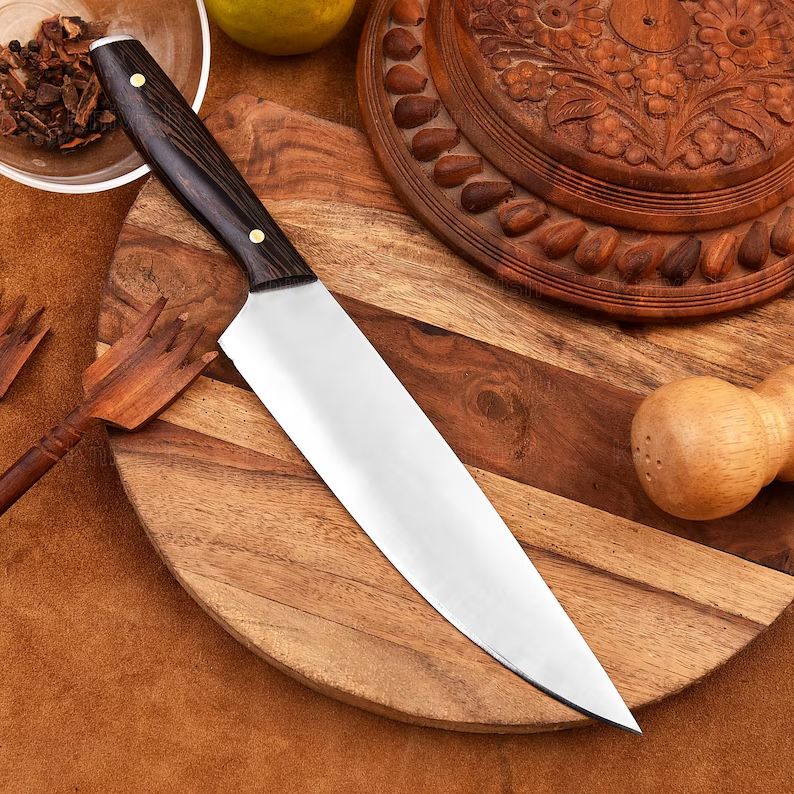
Blade Material: The Foundation of Edge Retention
The material of a knife’s blade dictates its potential for sharpness and how long it retains that edge. Generally, we categorize them into two main types:
- High-Carbon Stainless Steel: This is the workhorse of many premium German knives, like those from Wüsthof. It offers a good balance of hardness for decent edge retention and ductility, meaning it’s less prone to chipping. It also resists rust effectively.
- Carbon Steel: Predominantly found in traditional Japanese knives, carbon steel boasts a higher carbon content, allowing it to achieve incredible hardness. This translates to an edge that can be honed to a razor-like keenness and holds that “sharpest kitchen knife” edge for extended periods. Brands like Shun utilize advanced carbon steels like VG-MAX, incorporating elements like chromium, tungsten, molybdenum, and vanadium to further refine the edge’s potential. The trade-off? Carbon steel is more brittle and susceptible to corrosion if not meticulously cared for.
- Powdered Steels: Modern innovations have brought powdered steels like SG2 and R2 to the forefront. These super steels offer extreme hardness and exceptional edge retention, pushing the boundaries of what a sharpest kitchen knife can achieve.
- Ceramic: Made from zirconium oxide, ceramic knives are extraordinarily hard, ranking just below diamonds on the Mohs scale. This extreme hardness allows them to be sharpened to an incredible degree and retain their edge far longer than steel knives—up to ten times longer, in fact. However, this hardness comes with a significant drawback: brittleness. Ceramic knives can chip or break easily if dropped or used on hard items like bones or frozen foods.
Blade Geometry and Edge Angle: The Science Behind the Slice
Beyond the material, the shape and angle of the blade play a pivotal role in its cutting prowess.
- Japanese Knives: Often feature thinner blades and more acute edge angles, typically between 10-15 degrees per side. This shallow angle creates a finer, more delicate edge, perfect for precision slicing and dicing. It’s why many consider Japanese gyutos and santokus to be among the sharpest kitchen knife options available.
- German Knives: Generally have thicker blades and a wider edge angle, usually around 17-20 degrees per side. This geometry provides greater durability and robustness, making them excellent for heavier tasks like chopping through dense vegetables or breaking down poultry. While incredibly sharp, their edges are built for resilience.
Hardness (Rockwell Scale): Balancing Retention and Durability
Knife hardness is typically measured on the Rockwell scale (HRC). A higher HRC rating generally indicates a harder blade that can hold a sharper edge longer. Japanese knives often range from HRC 58 to HRC 62+, while many German knives are in the HRC 56-58 range. The challenge is balancing this hardness: while a harder blade stays sharp longer, it’s also more brittle and prone to chipping. The goal for the sharpest kitchen knife is to achieve optimal hardness that maximizes edge retention without sacrificing too much toughness.
A Glimpse into History: The Evolution of Knife Sharpening
The pursuit of a sharp cutting edge is as old as civilization itself. Early humans used natural abrasive stones to refine their flint and obsidian tools. As metallurgy advanced, so did sharpening techniques. From primitive grinding stones, we progressed to water wheels and specialized whetstones, each innovation aiming to achieve a finer, more effective edge. The development of different steel alloys and blade geometries throughout history has always been driven by the desire for a tool that cuts more efficiently and stays sharper longer. Modern technology continues this legacy, with advanced abrasives and precision sharpening systems helping us maintain the “sharpest kitchen knife” in our culinary arsenals.
Decoding the Best: Top Contenders for the Sharpest Kitchen Knife
When it comes to identifying the absolute sharpest kitchen knife, certain brands and styles consistently rise to the top, each with its unique strengths.
Japanese Craftsmanship
Japanese knives are revered worldwide for their exceptional sharpness and precision. Their blades, often made from high-carbon steel, are meticulously ground to incredibly acute angles.
- Shun Classic: This brand is a consistent favorite, known for its “consistently sharp, lightweight, durable, and sturdy blades”. The Shun Classic 8-Inch Chef’s Knife, with its VG-MAX steel, is lauded for its ability to make “effortlessly accurate cuts”.
- MAC Professional: Offering a lighter, more nimble experience, MAC knives are described as a “razor-sharp joy to use”. They are celebrated for their versatility and comfortable handling.
- Miyabi: Known for combining traditional Japanese craftsmanship with modern technology, Miyabi knives, such as the Miyabi 8-Inch Chef’s Knife, are among the sharpest tested, often featuring stunning Damascus designs and hard steel cores.
- Tojiro DP Gyuto: These knives are often recommended for their “outstanding sharpness and edge retention” due to their VG-10 steel core.
The characteristic hardness of Japanese steel allows these knives to hold their initial edge for an impressive duration, though they demand careful handling to prevent chipping.
German Engineering
German knives, exemplified by brands like Wüsthof, prioritize robustness and durability, making them ideal for heavier tasks.
- Wüsthof Classic: The Wüsthof Classic 8-Inch Chef’s Knife is a “powerful, all-purpose tool built to last”. While its steel is generally softer than its Japanese counterparts, it’s known for its “sharpness and durability”. It excels in tasks like slicing meat off the bone and chopping dense root vegetables. The slightly wider edge angle ensures greater resilience in demanding kitchen environments.
Hybrid Designs
Some brands skillfully blend the best attributes of both traditions, creating versatile knives that offer a balance of sharpness and durability.
- Steelport: This American-made brand “strikes a balance between Japanese and German styles,” offering blades thin enough for transparent tomato slices but robust enough for sweet potatoes. Steelport even provides “free sharpening for life,” highlighting their commitment to sustained sharpness.
- Global: With their distinctive all-metal handles, Global knives “straddle the line between a German-style chef’s knife and a Japanese gyuto”. They are praised for precision and control, making “the thinnest, cleanest basil chiffonade” in tests.
“The ultimate sharpest kitchen knife often comes down to personal preference and how you use it,” notes Chef Lena Petrova, a culinary instructor and knife expert. “A Japanese blade might feel like a dream for delicate tasks, but a robust German knife might be what you need for everyday kitchen warfare.”
Choosing Your Edge: Finding the Sharpest Kitchen Knife for Your Needs
Selecting the sharpest kitchen knife for you is a highly personal journey. It’s about matching the tool to your hand, your cooking style, and your expectations.
Consider Your Cooking Style
- Precision and Delicate Work: If your culinary adventures involve intricate slicing, fine mincing, and delicate filleting, a Japanese-style knife with its acute edge angle and harder steel will likely be your sharpest kitchen knife companion.
- Heavy-Duty Chopping and Robustness: For tasks like breaking down whole chickens, dicing tough root vegetables, or dealing with bones, a German-style knife offers the necessary heft and durability.
- Versatility: Many cooks appreciate a hybrid design that provides a good balance for a wide range of kitchen tasks.
Blade Material Preference
Your choice of blade material directly impacts initial sharpness, edge retention, and the level of care required:
- Carbon Steel: Offers superior sharpness and edge retention but demands immediate cleaning and drying to prevent rust. If you’re meticulous about maintenance, this can be your sharpest kitchen knife.
- Stainless Steel (High-Carbon): More rust-resistant and forgiving, though it may require more frequent sharpening to maintain peak performance.
- Ceramic: Unbeatable initial sharpness and edge retention for specific tasks, but extremely brittle. Best for dedicated use on soft foods where precision is paramount.
Handle Comfort and Balance
No matter how sharp the blade, a knife must feel comfortable and balanced in your hand. The handle material (wood, Pakkawood, plastic, or composite) and its shape are crucial. A well-balanced knife prevents fatigue and ensures safer, more precise cuts. “You’ll be holding this knife for years, so it has to feel right,” advises master bladesmith Kenji Tanaka. “The best balance means the knife isn’t trying to tilt itself in your hand, giving you natural control.”
Mastering the Blade: Essential Techniques for Using a Sharp Knife
Even the sharpest kitchen knife needs a skilled hand to unleash its full potential. Proper technique not only enhances efficiency but also drastically improves safety.
The Pinch Grip: Control and Safety
The pinch grip is the universally recommended way to hold a chef’s knife. You “pinch” the base of the blade between your thumb and forefinger, with the remaining fingers wrapped around the handle. This grip offers superior control over the blade, allowing for precision and reducing the risk of slippage. Moving your hand closer to the blade provides finer control, while a grip further back offers more leverage and power.
Cutting Techniques: Rocking vs. Pushing
Your knife’s blade shape often dictates the most effective cutting technique:
- Rocking Motion: Favored with German-style knives and gyutos (Japanese chef’s knives), this involves keeping the knife tip on the cutting board and rocking the blade through the food in an arc. This technique is efficient for dicing and chopping.
- Push-Cutting (Up-and-Down Motion): Best suited for flatter, straighter blades like nakiris and many santokus, this technique involves lifting and dropping the blade straight down through the food. It’s excellent for precise, clean cuts, especially with vegetables.
Sustaining the Edge: Care, Cleaning, and Sharpening Your Sharpest Kitchen Knife
Possessing the sharpest kitchen knife is one thing; maintaining it is another. Proper care is essential to ensure longevity and consistent performance.
Daily Rituals: Honing Steel Explained
A honing steel doesn’t sharpen your knife but rather realigns the microscopic edge of the blade, which can bend or roll during use. A few gentle passes on a honing steel before or after each use will keep your sharpest kitchen knife performing optimally between sharpening sessions.
Periodic Sharpening: Whetstones, Electric Sharpeners, Professional Services
When your knife truly feels dull, and honing no longer brings back its keen edge, it’s time for sharpening.
- Whetstones (Sharpening Stones): These offer the most control and can produce the finest edge. They require practice but are highly effective.
- Electric Knife Sharpeners: A convenient option for quick sharpening, though they can remove more material from the blade if not used carefully.
- Professional Sharpening: For those who prefer not to sharpen at home, or for knives needing a complete edge restoration, professional services are an excellent choice. Aim to sharpen your most-used kitchen knives every month or two.
Cleaning & Storage: Preventing Corrosion and Damage
- Hand-Washing is Key: Always hand-wash your sharpest kitchen knife immediately after use with warm, soapy water. Dishwashers can damage blades and handles due to harsh detergents, high heat, and jostling.
- Immediate Drying: Crucial for carbon steel to prevent rust and beneficial for all knives to avoid water spots and potential corrosion.
- Proper Storage: Store knives in a knife block, magnetic strip, or with blade guards to protect the edge from damage and to prevent accidental cuts. Avoid tossing them unprotected into a drawer. “A well-stored knife is a happy knife,” quips Chef Petrova. “It sounds simple, but it makes all the difference.”
The Value of the Edge: Why Invest in a High-Quality Sharp Knife?
Investing in a high-quality sharpest kitchen knife is more than just buying a tool; it’s investing in your culinary experience.
- Efficiency: A sharp knife makes prep work faster and more enjoyable. It cuts through food with minimal effort, reducing strain and fatigue.
- Safety: Counterintuitively, a sharp knife is safer than a dull one. A sharp blade bites into the food, while a dull one is more likely to slip, leading to accidents.
- Culinary Enjoyment: Precise cuts lead to better-looking dishes and can even improve flavor and texture by minimizing cell damage in ingredients.
- Durability and Longevity: A well-made, sharp knife, with proper care, can last a lifetime, becoming a cherished heirloom in your kitchen.
Frequently Asked Questions (FAQ)
What makes Japanese knives so sharp?
Japanese knives are renowned for their sharpness due to a combination of factors, primarily their harder steel, which allows for more acute edge angles (typically 10-15 degrees per side) and a thinner blade profile. This results in a very fine, precise cutting edge that excels at delicate tasks.
Can a ceramic knife be the sharpest?
Yes, ceramic knives can be sharpened to an exceptional degree and maintain their edge significantly longer than steel knives due to their extreme hardness, which is second only to diamonds. However, their brittleness makes them prone to chipping or breaking if used for heavy-duty tasks or dropped, limiting their versatility as an all-purpose knife.
How often should I sharpen my sharpest kitchen knife?
For a frequently used chef’s knife, sharpening every month or two is a good guideline. However, the best indicator is how the knife performs: if it starts to slip, squish food, or struggles to make thin slices, it’s time to sharpen it. Regular honing between sharpening sessions will extend the time before a full sharpen is needed.
Is Damascus steel sharper?
Damascus steel refers to a forging technique where multiple layers of steel are folded together, creating distinctive wavy patterns on the blade. While beautiful, the Damascus process itself doesn’t inherently make a knife sharper. The actual sharpness and edge retention depend on the quality of the core steel used (e.g., VG10, SG2) and the blade’s geometry.
What’s the difference between honing and sharpening?
Honing realigns the microscopic edge of a knife blade that has bent or rolled over during use, bringing it back to a straight position. It doesn’t remove significant material from the blade. Sharpening, on the other hand, grinds away material to create a new, fresh edge on a dull blade. Honing is a maintenance task, while sharpening is a restorative one.
Conclusion
The journey to find and maintain the sharpest kitchen knife is an ongoing exploration of material science, traditional craftsmanship, and diligent care. Whether you prefer the surgical precision of a Japanese blade, the robust reliability of a German workhorse, or the exceptional edge retention of a ceramic knife, understanding what makes a blade truly sharp empowers you to make informed choices. Embrace the art of knife care, master basic techniques, and you’ll unlock a world of culinary possibilities, making every cut a testament to the power of a perfectly sharp edge. The “sharpest kitchen knife” isn’t just a dream; it’s a reality within reach for every passionate cook.