Have you ever wondered what truly makes a kitchen knife great? Is it the razor-sharp edge that glides effortlessly through ingredients, the comfortable grip that feels like an extension of your hand, or perhaps the rich heritage of craftsmanship behind it? When it comes to Victorinox Kitchen Knives, you often get all three, wrapped up in a package that offers remarkable value. From bustling professional kitchens to your cozy home cooking space, these Swiss-made culinary companions have earned a reputation for reliability, precision, and surprising performance.
Victorinox isn’t just a name; it’s a legacy forged in the heart of Switzerland, synonymous with ingenuity and quality. Their kitchen knives carry the same spirit of excellence that made their iconic Swiss Army Knives a global phenomenon. But what exactly sets them apart in a crowded market of culinary tools? Let’s dive in and explore why Victorinox continues to be a favorite among chefs and home cooks worldwide.
A Legacy of Precision: The Victorinox Journey
The story of Victorinox begins in 1884, when Karl Elsener I opened his cutler’s workshop in Ibach, Switzerland. His vision was to create robust, high-quality knives and combat poverty in the region. Seven years later, he began supplying knives to the Swiss Army, laying the groundwork for a remarkable success story.
In 1909, Elsener named his company “Victoria” in honor of his mother. A significant turning point came in 1921 with the invention of stainless steel, known as “inox” (short for the French term “acier inoxydable”). Combining “Victoria” with “inox,” the brand name “Victorinox” was born, a name that has since become a global emblem of Swiss precision and innovation. Today, over 140 years later, Victorinox remains a family-owned enterprise, still producing their renowned knives in Ibach, Switzerland.
The Anatomy of Excellence: Blade and Handle Materials
At the core of any great knife are its materials. Victorinox meticulously selects its components to ensure both performance and durability.
What are Victorinox knife blades made of?
Victorinox predominantly uses a proprietary blend of Martensitic stainless steel, sourced from France and Germany, for its knife blades. This high-carbon stainless steel contains approximately 0.5% carbon, striking an ideal balance between hardness and flexibility. While Victorinox blades typically rate between 55 and 56 HRC (Rockwell Hardness Scale), making them somewhat softer than German (57-58 HRC) or Japanese (around 60 HRC) blades, this characteristic actually makes them less prone to chipping and remarkably easy to sharpen. Most Victorinox blades are “stamped” from large sheets of steel using a laser-cutting process, which results in a lighter, thinner blade that offers excellent control and reduces hand fatigue during prolonged use. The Grand Maître series stands out as the exception, featuring forged blades that provide greater heft and balance, akin to many high-end Western knives.
What materials are used for Victorinox knife handles?
Victorinox offers a variety of handle materials, each designed for ergonomic comfort and hygienic practicality.
- Synthetic Handles: Many popular lines, such as the Fibrox Pro and Swiss Classic, feature handles made from synthetic materials like TPE (Thermoplastic Elastomer) or nylon. These materials are known for their non-slip properties, providing a secure grip even when wet, and are often dishwasher safe, making them easy to clean and sanitize. Other synthetic handles might use Polyoxymethylene (POM), a durable, heat-resistant thermoplastic.
- Wood Handles: For those who appreciate a classic aesthetic and a warm, natural feel, Victorinox also offers knives with handles crafted from modified wood, primarily maple and walnut. These woods are sustainably sourced from Europe and retain natural lignins and tannins, which contribute to their bacterial resistance. Each wooden handle boasts a unique grain, ensuring no two knives are exactly alike.
Discovering Your Perfect Blade: Popular Victorinox Kitchen Knife Series
Victorinox offers several distinct knife series, each tailored to different preferences and needs.
The Workhorse: Fibrox Pro
Widely regarded as a top performer and excellent value, the Fibrox Pro series is a favorite among culinary professionals. Its signature feature is the non-slip, ergonomic TPE handle, which is designed to minimize hand and wrist fatigue during extended use. The lightweight, high-quality European steel blade is incredibly versatile, making tasks from dicing vegetables to mincing herbs feel effortless. Fibrox Pro knives are durable, resistant to rust, and many are conveniently dishwasher safe, making them ideal for high-volume environments.
The Everyday Essential: Swiss Classic
The Swiss Classic collection embodies functionality and a touch of fun. These ergonomically designed knives are lightweight, dishwasher safe, and come with extremely sharp blades known for good edge retention. Available in various vibrant handle colors, Swiss Classic knives are a perfect blend of performance and style for the everyday home cook.
Contemporary Elegance: Swiss Modern
For those who appreciate modern aesthetics, the Swiss Modern series delivers. These knives often feature sleek designs and extra-wide stainless steel blades, perfectly complemented by elegant synthetic or richly grained European walnut handles. The Swiss Modern collection is ergonomically shaped for comfort and usability, adding a sophisticated touch to any kitchen.
The Forged Powerhouse: Grand Maître
The Grand Maître series is Victorinox’s premium line of forged knives. Crafted from a single piece of steel, these full-tang knives are uniformly hardened, perfectly balanced, and offer a substantial feel in hand. They come with a choice of ergonomic synthetic or modified wood handles (maple or walnut), often featuring a hand-polished sheen and a half bolster that provides balance and a smooth transition from blade to handle. The Grand Maître collection delivers exceptional strength, durability, and a refined appearance.
“A good knife isn’t just a tool; it’s an extension of the chef’s hand. Victorinox, particularly their Fibrox line, consistently proves that professional-grade performance doesn’t have to come with a prohibitive price tag,” remarks Chef Elara Vance, a renowned culinary instructor with two decades of experience.
Choosing Your Ideal Victorinox Kitchen Knife
Selecting the right knife can feel daunting, but with Victorinox, it’s about matching your needs to their renowned quality.
What should I consider when buying a Victorinox kitchen knife?
When choosing a Victorinox kitchen knife, think about the primary tasks you’ll perform.
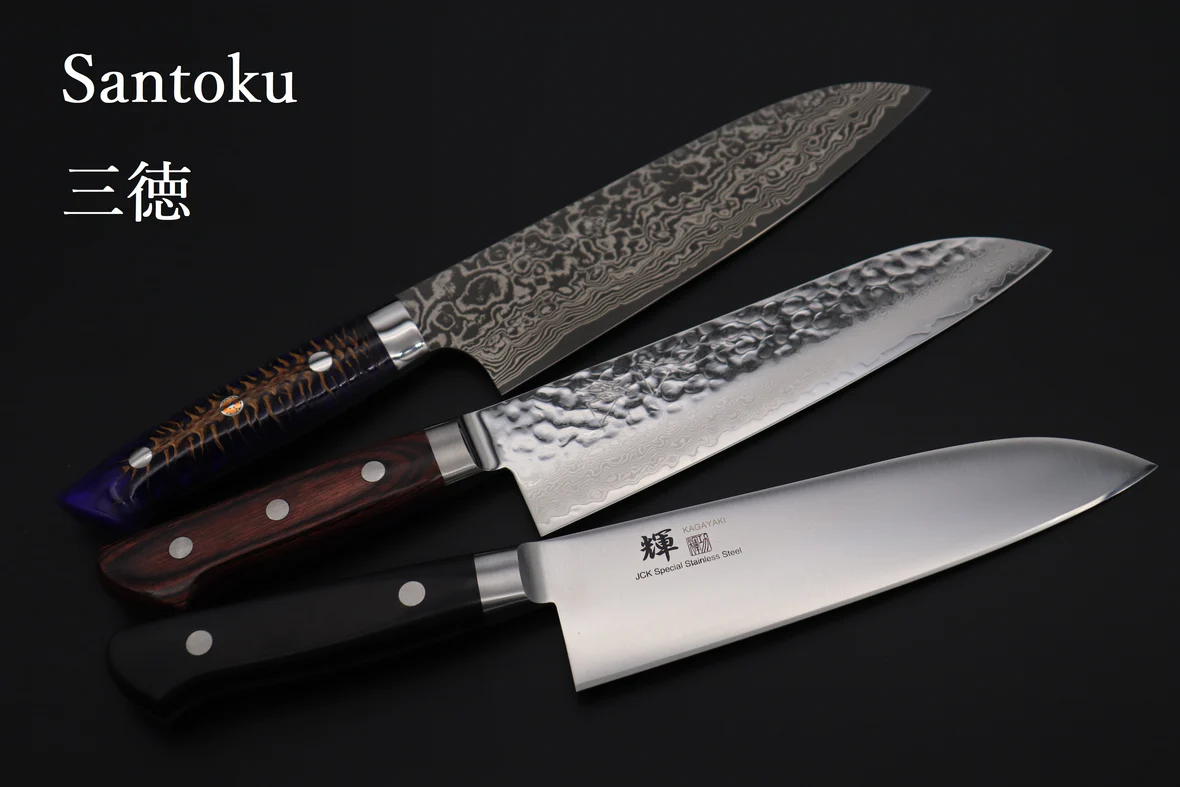
- Blade Type: A chef’s knife (like the popular 8-inch Swiss Army Chef’s Knife) is a versatile all-rounder, while a Santoku excels at precision slicing and dicing, especially with its granton edge to prevent food sticking. Paring knives are ideal for intricate tasks, and boning knives offer flexibility for meat preparation.
- Blade Construction: Most Victorinox knives feature stamped blades, which are lighter and more nimble, great for extended chopping sessions. If you prefer a knife with more heft and a traditional feel, consider the forged Grand Maître series.
- Handle Material: Synthetic handles (Fibrox, Swiss Classic) offer a non-slip grip, hygiene, and often dishwasher safety. Wood handles (Wood, Grand Maître with wood options, Swiss Modern walnut) provide a warmer, natural feel and unique aesthetics.
- Comfort and Balance: While some lighter, stamped Victorinox knives might feel blade-heavy to some, many users find them well-balanced in practice, especially for their intended tasks. Test the grip if possible to ensure it fits your hand comfortably.
Mastering the Blade: Using Your Victorinox Knife
Even the best knife benefits from proper handling. Victorinox knives are designed for intuitive use, making them accessible for both beginners and seasoned chefs.
How do I properly hold a chef’s knife?
The most common and effective grip for a chef’s knife is the “pinch grip.” This involves pinching the heel of the blade between your thumb and forefinger, with the remaining fingers wrapped around the handle. This grip offers superior control over the blade, allowing for more precise cuts and reducing fatigue. Victorinox’s ergonomic handles are designed to accommodate this grip comfortably, providing security even during long chopping sessions. The lightweight nature of many Victorinox stamped blades also makes them agile for repetitive tasks.
Keeping It Sharp: Maintenance and Care Tips
Investing in quality Victorinox kitchen knives means enjoying them for years. Proper care is key to their longevity and performance.
How do I clean and maintain my Victorinox kitchen knives?
While many Victorinox knives with synthetic handles are dishwasher safe, handwashing with warm, soapy water and immediately drying them with a soft cloth is always recommended. This helps preserve the blade’s edge and prevents any potential tarnishing or rust, even though their stainless steel is highly resistant. For wood-handled knives, handwashing is essential, as dishwashers can damage the wood.
How often should I sharpen my Victorinox knives?
Victorinox blades have a Rockwell hardness of 55-56 HRC, meaning they are relatively softer than some other knives. This allows them to withstand more abuse without chipping, but it also means they may dull faster. To maintain their razor-sharp edge, frequent honing with a ceramic rod and periodic sharpening at a 15-20 degree angle per side (total 30-40 degrees) is recommended. Their softer steel makes them easier to sharpen than harder blades.
The Undeniable Benefits of Victorinox Kitchen Knives
Choosing Victorinox for your kitchen is a decision many chefs and home cooks never regret.
Why should I invest in high-quality Victorinox kitchen knives?
- Exceptional Value: Victorinox knives offer outstanding performance and durability at an accessible price point, often outperforming many more expensive options.
- Reliable Sharpness: They arrive incredibly sharp and maintain a good edge, making kitchen tasks safer and more efficient.
- Ergonomic Comfort: Designed with user comfort in mind, their handles reduce hand fatigue, even during prolonged use.
- Durability: Made from quality stainless steel and robust handle materials, these knives are built to withstand the rigors of daily kitchen use.
- Versatility: With a wide range of blade types and series, there’s a Victorinox knife suited for virtually every culinary task.
- Hygienic: Many synthetic handle options are NSF approved and dishwasher safe, ensuring easy cleaning and sanitization.
- Swiss Craftsmanship: You’re investing in over a century of Swiss precision engineering and a legacy of quality.
Frequently Asked Questions About Victorinox Kitchen Knives
Are Victorinox kitchen knives good for professional chefs?
Absolutely! Victorinox knives, particularly the Fibrox Pro series, are staples in many professional kitchens due to their outstanding performance, ergonomic comfort, and hygienic properties, all offered at an excellent value.
Do Victorinox knives rust easily?
Victorinox knives are made from high-quality Martensitic stainless steel, which is highly rust-resistant. With proper care, such as washing immediately after use and thoroughly drying, they should not rust. Neglecting them in wet or humid conditions, however, can lead to tarnishing or rust over time.
Are Victorinox kitchen knives dishwasher safe?
Many Victorinox kitchen knives, especially those with synthetic Fibrox or Swiss Classic handles, are dishwasher safe. However, handwashing and immediate drying are always recommended to best preserve the blade’s edge and handle integrity, particularly for knives with wooden handles.
What’s the difference between stamped and forged Victorinox knives?
Most Victorinox blades are “stamped,” meaning they are laser-cut from a sheet of steel, resulting in a lighter, thinner blade that’s great for nimble work. The Grand Maître series features “forged” blades, which are crafted from a single bar of heated steel, providing more heft, balance, and robust durability.
What is the ideal sharpening angle for Victorinox kitchen knives?
Victorinox knives are typically sharpened to an edge angle of 15-20 degrees per side, resulting in a total edge angle of 30-40 degrees. This angle provides a very sharp edge suitable for most kitchen tasks.
The Unbeatable Value of Victorinox
Ultimately, Victorinox kitchen knives stand as a testament to practical engineering and a commitment to quality. They prove that you don’t need to break the bank to equip your kitchen with tools that perform admirably, day in and day out. Whether you’re a budding home cook taking your first culinary steps or a seasoned chef demanding reliability, a Victorinox knife is a trustworthy partner that brings efficiency, comfort, and precision to your cooking. Embrace the Swiss standard in your kitchen, and experience the difference a truly good knife can make.