Stepping into the kitchen, a seasoned chef or an enthusiastic home cook knows that the heart of culinary creation lies not just in the ingredients, but in the tools. And when it comes to tools, few names resonate with the authority and respect of Wüsthof kitchen knives. For over two centuries, this German brand has been synonymous with unparalleled quality, meticulous craftsmanship, and enduring performance, turning everyday meal prep into an art form.
Imagine a knife that feels like an extension of your hand, effortlessly gliding through ingredients, making slicing, dicing, and chopping a true pleasure. That’s the promise of Wüsthof, a brand that has not only upheld but also continually redefined excellence in cutlery. But what makes these knives so special, and how do you choose the perfect Wüsthof companion for your culinary journey? Let’s dive deep into the world of Wüsthof kitchen knives and uncover their secrets.
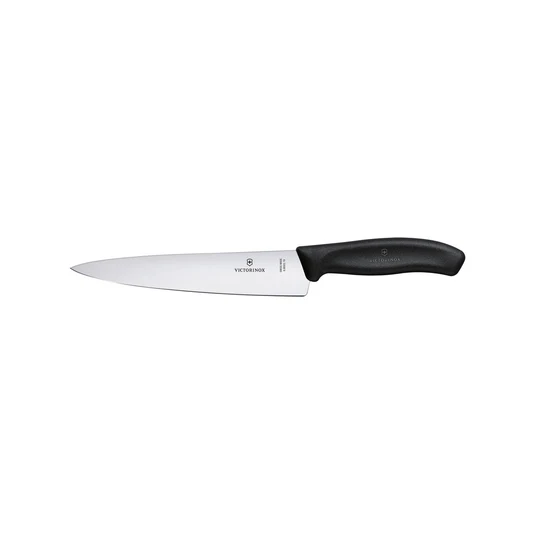
The Enduring Legacy of Wüsthof Kitchen Knives
The story of Wüsthof begins in 1814, nestled in the heart of Solingen, Germany – a city globally renowned as the “City of Blades” for its centuries-old tradition of fine sword and knife making. This rich heritage is etched into every blade, a testament to generations of expertise passed down through time. From its humble beginnings, Wüsthof has remained a family-owned business, steadfastly committed to its roots and unwavering in its pursuit of perfection. This dedication ensures that every Wüsthof kitchen knife is not just a tool, but a piece of history and a future heirloom.
“For Wüsthof, craftsmanship isn’t just a buzzword; it’s a way of life that’s been perfected over 200 years,” notes Anya Schmidt, a culinary historian specializing in German metallurgy. “Their commitment to producing every forged knife in Solingen, adhering to stringent quality guidelines, is what truly sets them apart.”
Deconstructing a Wüsthof Masterpiece: Key Components and Materials
What goes into crafting a Wüsthof knife that stands the test of time? It’s a harmonious blend of superior materials and advanced engineering.
The Blade: Heart of the Knife
At the core of every Wüsthof kitchen knife is its blade, typically forged from a single blank of high-carbon stainless steel. This proprietary alloy, known as X50CrMoV15, boasts a unique blend of carbon for hardness, chromium for stain resistance, molybdenum for additional hardness and corrosion resistance, and vanadium for increased toughness and fine grain structure.
Wüsthof employs both forged and stamped construction methods. Their most celebrated lines, like Classic, Classic Ikon, and Amici, feature fully forged blades, meaning they are crafted from a single piece of steel that extends from the tip of the blade through the handle, creating exceptional balance and durability. Stamped knives, such as those in the Gourmet series, are cut from a sheet of steel, offering a lighter feel and a more accessible price point, while still maintaining Wüsthof’s quality standards for steel.
A hallmark of Wüsthof’s forged blades is their PEtec (Precision Edge Technology). This proprietary laser-guided sharpening process creates an incredibly sharp edge, typically a 14-degree angle per side (for a total of 28 degrees). This results in blades that are up to 20% sharper with double the edge retention compared to conventionally sharpened knives. These forged blades generally achieve a Rockwell Hardness (HRC) of 58, striking a perfect balance between edge retention and ease of sharpening.
The Bolster: Balance and Protection
The bolster is the thick metal collar separating the blade from the handle, serving both functional and aesthetic purposes.
- Full Bolster: Found on the traditional Classic line, a full bolster extends completely from the blade’s heel to the handle. It offers excellent finger protection, acting as a guard, and contributes to a knife’s overall balance, especially in longer blades.
- Demi-Bolster (or Half Bolster): Featured on lines like the Classic Ikon, the demi-bolster tapers back from the cutting edge, allowing for easier sharpening of the entire blade length right to the heel. It’s often preferred by those who use a “pinch grip,” offering more comfort and control.
- No Bolster: Lighter knives, such as those in the Gourmet series, typically have no bolster, further reducing weight and providing a continuous edge for sharpening.
The Handle: Comfort and Control
A knife is only as good as how it feels in your hand. Wüsthof pays meticulous attention to handle design and materials.
Many Wüsthof knives, including the Classic and Classic Ikon, feature handles made from Polyoxymethylene (POM). This synthetic material is highly durable, resistant to fading, warping, and cracking, making it ideal for the demanding kitchen environment. It’s triple-riveted to the full tang, ensuring a secure and long-lasting bond.
For those seeking a touch of natural elegance, Wüsthof offers specialized handles:
- The Amici line, inspired by Mediterranean warmth, features sculpted handles crafted from beautiful Calabrian olive wood, known for its natural water-repellent and antibacterial properties.
- The Ikon Blackwood series elevates sophistication with handles made from sustainable African Blackwood, precisely shaped for optimal comfort and control.
These handles are not just about aesthetics; they are ergonomically designed for maximum comfort, secure grip, and reduced fatigue during extended use.
Navigating the Wüsthof Universe: Popular Knife Collections
Wüsthof offers a diverse range of knife collections, each designed with distinct characteristics to suit varied preferences and culinary needs.
Wüsthof Classic
The undisputed flagship, the Classic series is Wüsthof’s best-selling and most extensive line. These fully forged knives feature a traditional three-rivet POM handle and a full bolster, embodying the timeless German chef’s knife aesthetic. Renowned for their strength, balance, and the razor-sharp PEtec edge, Classic knives are a go-to for both professional chefs and serious home cooks. They offer an incredible array of blade shapes, from the essential chef’s knife to specialized tools.
Wüsthof Classic Ikon
A modern reinterpretation of the Classic, the Classic Ikon series boasts a sleek, contemporary design with an ergonomic POM handle and a demi-bolster. While sharing the same high-quality forged blade and PEtec technology as the Classic, its refined handle shape and reduced bolster cater to those who prefer a comfortable pinch grip and easier full-blade sharpening. The double bolster design also adds to its balanced feel.
Wüsthof Amici
Meaning “friends” in Italian, the Amici collection brings the warmth of the Mediterranean to your kitchen. These fully forged knives stand out with their unique Calabrian olive wood handles, which are not only visually stunning but also naturally resilient and hygienic. With a full bolster and a distinctive two-rivet design, Amici knives offer a beautiful blend of traditional performance and natural elegance.
Wüsthof Crafter
A newer addition, the Crafter series combines robust performance with rustic charm. Each knife is crafted from a single piece of high-alloy X50CrMoV15 steel, featuring a laser-controlled precision sharpening technique and a unique smoked oak handle. Its specially designed bolster geometry and wider blade style concentrate weight at the center, offering impressive agility and safety.
Wüsthof Gourmet
For those seeking Wüsthof quality at a more accessible price, the Gourmet line is an excellent choice. These knives are stamped rather than forged, making them lighter and often more flexible. They still utilize high-quality German steel and are precisely cut, offering a wide array of options for everyday slicing tasks. While they may not have the heft or edge retention of their forged counterparts, they are reliable workhorses for any kitchen.
Other Notable Lines
Wüsthof also offers other specialized lines such as Performer (featuring a black diamond-like carbon coating for extreme durability and reduced friction) and Ikon Blackwood (distinguished by its elegant African Blackwood handles). Each series offers unique benefits, ensuring there’s a Wüsthof knife for every preference.
Choosing Your Culinary Partner: A Guide to Selecting the Right Wüsthof Knife
Selecting the perfect Wüsthof kitchen knife is a personal journey, influenced by your cooking habits, hand size, and aesthetic preferences.
What is the primary task for a chef’s knife?
The chef’s knife is the workhorse of any kitchen, an indispensable tool for nearly every task, from mincing garlic to carving roasts. It’s often the first quality knife people invest in, providing the versatility needed for a wide range of ingredients and preparations.
How do I match the knife to my cutting style?
Consider your preferred cutting technique. If you primarily use a “rocking chop” motion, a knife with a more pronounced curve in the blade, like the Wüsthof Classic chef’s knife, will feel very natural. If you lean towards a “push-cut” or “tap-chop,” you might appreciate a flatter blade profile.
What about handle comfort and size?
Different Wüsthof lines offer varying handle shapes and materials. Try holding different models to see which feels most comfortable and secure in your hand. The Classic series features a traditional, robust handle, while the Classic Ikon offers a more contoured, ergonomic design. Handle materials like POM, olive wood, or African Blackwood also offer different tactile experiences.
Should I choose a full or demi-bolster?
Your bolster preference often comes down to grip and sharpening ease. A full bolster provides a protective finger guard and can offer a sense of security and balance. A demi-bolster allows for a full, uninterrupted sharpening stroke along the entire blade edge and can be more comfortable for a pinch grip. If you value easier sharpening and maximum blade utilization, a demi-bolster might be your pick.
What’s my budget?
Wüsthof knives range in price depending on the series and construction. Forged knives (Classic, Ikon, Amici) represent a higher investment due to their complex manufacturing process and superior balance. Stamped knives (Gourmet) offer excellent entry-level quality. Remember, a Wüsthof knife is a long-term investment.
Mastering the Blade: Techniques for Handling Your Wüsthof Knife
A quality knife performs best with proper technique. Learning to handle your Wüsthof knife effectively will not only enhance your cooking but also ensure safety.
The Power of the Pinch Grip
The most recommended grip for a chef’s knife is the “pinch grip.” This involves pinching the heel of the blade between your thumb and forefinger, while the rest of your fingers wrap around the handle. This grip gives you maximum control over the blade, allowing for precise cuts and minimizing fatigue.
Basic Cutting Motions
- Rocking Chop: Ideal for herbs, garlic, and smaller vegetables. Keep the tip of the blade on the cutting board and rock the knife up and down, pivoting on the tip.
- Slicing: For larger ingredients like meats or tougher vegetables, use a smooth, forward and downward motion, letting the knife’s sharpness do the work.
- Dicing: For uniform cubes, make vertical cuts, then horizontal cuts, and finally cross-cuts.
The Right Cutting Surface
Always use a cutting board made of wood or high-density plastic. Avoid hard surfaces like glass, stone, or metal, as these can quickly dull or even damage your knife’s fine edge.
Preserving Perfection: Care, Cleaning, and Sharpening Your Wüsthof
To ensure your Wüsthof kitchen knives remain sharp, beautiful, and performing their best for generations, proper care is paramount.
The Golden Rule of Cleaning: Hand-Wash Only
“This is the most critical advice I give anyone buying Wüsthof,” says Chef Julian Werner, a culinary instructor with decades of experience. “Putting a Wüsthof knife in the dishwasher is like sending a luxury car through an automatic car wash designed for trucks—it might get clean, but not without damage.”
- Immediate Action: Always hand-wash your knives immediately after use. This prevents food acids and residues from corroding the blade.
- Gentle Cleansing: Use warm water, a mild dish soap, and a soft cloth or sponge. Avoid abrasive cleaners or scouring pads, as these can scratch the blade’s surface.
- Thorough Drying: Crucially, dry your knives completely with a soft towel immediately after washing. Allowing them to air dry or soak in the sink can lead to water spots, discoloration, and even rust, despite the stainless steel composition.
- Why No Dishwasher? Dishwashers expose knives to high temperatures, harsh detergents, and vigorous washing cycles. These conditions can:
- Dull the blade by causing it to strike other items.
- Corrode the blade, especially if food particles are left on it.
- Damage wooden or synthetic handles, causing them to crack, warp, or fade.
- Pose a safety risk when unloading.
Smart Storage for Sharp Edges
Proper storage protects the blade and ensures safety. Options include:
- Knife Blocks: A classic choice that keeps blades safely housed and easily accessible.
- Magnetic Strips: Mount knives on a wall, saving drawer space and displaying them elegantly.
- In-Drawer Knife Trays: Keep knives organized and protected within a drawer.
- Blade Guards: Simple, inexpensive covers that protect individual blades when stored loosely.
Honing vs. Sharpening: Know the Difference
These terms are often confused, but they serve different purposes:
- Honing: This process realigns the microscopic edge of your knife, which naturally bends and rolls with regular use. It doesn’t remove steel but straightens the edge, restoring its cutting ability. You should hone your Wüsthof knife regularly, ideally after every few uses, using a honing steel. Hold the blade at a consistent 20-degree angle against the steel, moving from heel to tip.
- Sharpening: This involves removing a small amount of steel from the blade to create a new, finer edge. Sharpening is typically done with a whetstone or a pull-through sharpener and is needed far less frequently than honing – perhaps once a year or every two years, depending on usage.
The Investment Factor: Why a Quality Wüsthof Knife is Worth It
Investing in Wüsthof kitchen knives is an investment in your culinary future. Here’s why they stand out:
- Unrivaled Durability and Longevity: Crafted from high-quality materials and backed by a lifetime warranty against manufacturer defects, Wüsthof knives are built to last for generations.
- Exceptional Performance: The precision-forged blades, superior balance, and razor-sharp PEtec edge ensure effortless cutting, making food preparation faster, safer, and more enjoyable.
- Enhanced Cooking Experience: A sharp, well-balanced knife transforms cooking from a chore into a pleasure, allowing you to work with greater confidence and precision.
- Safety: A sharp knife is a safer knife. It requires less force to cut, reducing the risk of slipping and accidents.
Frequently Asked Questions (FAQ)
Q: Are Wüsthof knives dishwasher safe?
A: No, Wüsthof strongly advises against putting their knives in the dishwasher. Hand-washing immediately after use with warm, soapy water and then thoroughly drying them is essential to maintain their sharpness, prevent corrosion, and protect the handles.
Q: What’s the difference between forged and stamped Wüsthof knives?
A: Forged Wüsthof knives (like Classic, Classic Ikon) are made from a single piece of steel, offering superior strength, balance, and edge retention. Stamped knives (like Gourmet) are cut from a sheet of steel, making them lighter and more affordable, suitable for everyday tasks.
Q: How often should I sharpen my Wüsthof knife?
A: You should hone your Wüsthof knife regularly, ideally after every few uses, to realign the edge. True sharpening, which removes steel to create a new edge, is needed less frequently, typically once a year or every two years, depending on how often you use and hone the knife.
Q: What is Wüsthof’s PEtec technology?
A: PEtec (Precision Edge Technology) is Wüsthof’s proprietary, laser-guided sharpening process applied to their forged blades. It results in an incredibly sharp 14-degree angle per side, making the blades 20% sharper and doubling their edge retention compared to conventionally sharpened knives.
Q: Where are Wüsthof kitchen knives made?
A: All Wüsthof forged knives are expertly crafted in Solingen, Germany, a city celebrated worldwide for its rich history in blade manufacturing and stringent quality standards.
Conclusion
Wüsthof kitchen knives represent a harmonious blend of tradition, innovation, and unwavering quality. From their origins in Solingen, Germany, to the cutting-edge PEtec technology, every aspect is designed to deliver a superior culinary experience. Whether you’re drawn to the timeless appeal of the Classic, the modern ergonomics of the Classic Ikon, or the rustic elegance of the Amici, a Wüsthof knife is more than just a tool; it’s a partner in your kitchen. By understanding their craftsmanship, choosing wisely, and providing proper care, your Wüsthof kitchen knives will serve you faithfully, inspiring countless delicious meals and becoming a cherished part of your family’s culinary story for generations to come.