Stepping into a well-equipped kitchen, you immediately notice the gleam of metal, the promise of precision. At the heart of this culinary sanctuary often lies a carefully curated culinary knife set, a cornerstone for any serious cook. More than just a collection of sharp objects, a quality set is an investment in efficiency, safety, and the sheer joy of cooking. But with countless options out there, how do you navigate the world of blades, bolsters, and blocks to find the perfect companions for your culinary journey? Let’s slice through the confusion and uncover everything you need to know to make an informed choice.
The Enduring Legacy: A Brief History of Culinary Knives
Knives have been indispensable tools since ancient times, evolving from crude stone and bone implements to the sophisticated metal blades we use today. Early metal knives, crafted from bronze and later iron, marked a significant leap, allowing for finer cuts and more diverse food preparation. As metallurgy advanced, steel became the material of choice, leading to specialized designs tailored for specific culinary tasks. The concept of a “set” emerged as kitchens became more specialized and cooks recognized the need for a variety of blade types—each designed to excel at a particular job. From the hefty butcher’s cleaver to the delicate paring knife, these collections reflect centuries of culinary innovation, culminating in the comprehensive culinary knife sets available to home cooks and professionals alike today.
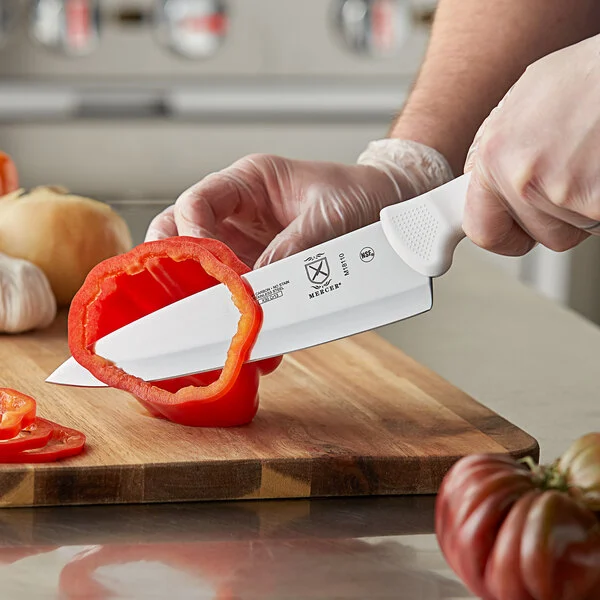
Anatomy of Excellence: Key Components and Materials of a Culinary Knife Set
Understanding what goes into a great knife will empower you to choose wisely. Every part plays a crucial role in performance and durability.
Blades: The Cutting Edge of Innovation
The blade is, without a doubt, the soul of any knife.
- Stainless Steel: This is the most popular choice for knife blades due to its durability, strength, and resistance to rust. Within stainless steel, you’ll find variations like high-carbon stainless steel, which offers a superior edge retention and sharpness, and cryogenically-tempered Japanese stainless steel, known for its exceptional hardness and precision.
- Ceramic Blades: Some budget-friendly sets feature stainless steel blades with a ceramic coating. While these can provide a very sharp initial edge and are lightweight, the coating may not last as long as solid steel blades.
- Forged vs. Stamped: Forged blades are typically made from a single bar of steel, heated, and hammered into shape, resulting in a stronger, heavier, and often more balanced blade with a full bolster. Stamped blades are cut from a sheet of steel, then ground and sharpened. They are generally lighter and less expensive.
Handles: Your Connection to the Blade
A comfortable and secure handle is essential for control and safety.
- Materials: Handles come in various materials, including wood, plastic, composite, and even stainless steel. Wood (like pakkawood) offers a classic look and feel, while composite materials often prioritize grip and hygiene.
- Full Tang and Rivets: A “full tang” means the blade steel extends all the way through the handle, providing superior balance and strength. Triple-riveted handles further secure the handle to the tang, indicating a well-constructed knife.
- Bolster: The bolster is the collar where the blade meets the handle. A sloped bolster can promote a proper pinch grip, enhancing control.
Storage: Protecting Your Investment
Proper storage is key to maintaining sharpness and safety.
- Knife Blocks: The most common option, often made of wood, with dedicated slots. Some modern blocks include self-sharpening slots, like those found in certain Henckels sets, which hone the blade each time it’s removed or returned.
- Individual Knife Guards/Sheaths: Ideal for drawer storage, preventing blades from dulling or causing accidental cuts.
- Magnetic Knife Holders: A space-saving option that mounts to a wall, allowing for easy access and visibility of your collection.
Accessories: Enhancing Your Culinary Knife Set
Many sets include valuable extras.
- Honing Steel: This isn’t a sharpener, but a tool used to realign the microscopic edge of a blade, keeping it sharp between sharpenings.
- Kitchen Shears: Incredibly versatile for tasks like snipping herbs, cutting poultry, or opening packages.
- Sharpeners: Some sets come with a built-in sharpener or a separate manual sharpener, providing a convenient way to maintain your blades.
The Essential Arsenal: Common Knives in a Culinary Knife Set
While the specific contents can vary, a comprehensive culinary knife set typically includes a selection of knives designed for different tasks.
- Chef’s Knife (Gyutou): Often called the “workhorse” of the kitchen, this all-purpose knife (usually 8-10 inches) is perfect for chopping, dicing, mincing, and slicing. Its curved blade allows for a rock-chop motion.
- Paring Knife: Small and nimble (typically 3-4 inches), ideal for intricate tasks like peeling, trimming, and precision cuts on smaller fruits and vegetables.
- Serrated Bread Knife: With its saw-like edge, this knife effortlessly slices through crusty breads, delicate pastries, and even ripe tomatoes without crushing them.
- Santoku Knife: A Japanese-style all-purpose knife (typically 5-7 inches), known for its straighter edge and “sheep’s foot” tip, excellent for chopping, dicing, and mincing with an up-and-down motion. Often features a Granton edge (indentations) to prevent food from sticking.
- Utility Knife: Falling between a paring and chef’s knife in size (4-7 inches), it’s versatile for tasks where a chef’s knife is too large and a paring knife is too small, such as slicing sandwiches or larger vegetables.
- Steak Knives: Typically included in larger sets, these are individual knives for guests to cut cooked meats at the table.
- Slicing/Carving Knife: Longer and thinner than a chef’s knife, designed for cleanly slicing larger roasts, poultry, or fish.
Finding Your Perfect Match: A Guide to Choosing the Right Culinary Knife Set
Selecting the right culinary knife set is a personal journey, depending on your cooking habits and preferences.
Consider Your Needs & Skill Level
- For Beginners: A smaller, more versatile set with essential knives (chef’s, paring, bread) and perhaps a utility knife might be ideal. Look for sets that are forgiving and easy to handle, like the AmazonBasics Premium set, which offers a wide variety at an entry-level price.
- For Experienced Home Cooks: You might seek out sets with specialized blades or those known for exceptional balance and edge retention, such as Wüsthof or Zwilling J.A. Henckels, which are celebrated for their German craftsmanship.
- For Professional Chefs: High-performance, durable sets from brands like Shun or Misen, featuring premium steel and ergonomic designs, are often preferred for their precision and longevity.
Quantity vs. Quality: The Golden Rule
Don’t be swayed by the sheer number of knives in a set. “A larger quantity of knives isn’t always better when it comes to the value of a knife set,” advises Chef Eleanor Vance. “Rather than looking for the most expensive set, choose one that includes knives and other tools you’ll actually use.” Focus on having the essential, high-quality pieces you truly need rather than a large collection of mediocre ones. You can always add specialty knives later.
Material Matters
As discussed, blade material affects sharpness, durability, and maintenance. High-carbon stainless steel is generally recommended for its balance of edge retention and corrosion resistance. Also, consider handle materials—comfort and a secure grip are paramount.
Comfort & Balance
The best way to judge a knife is to hold it. It should feel balanced in your hand, not too heavy at the blade or the handle. A knife that feels like an extension of your arm will make cutting more comfortable and safer.
Storage Solutions
Think about your kitchen space. Do you have room for a bulky knife block, or would individual sheaths for drawer storage or a magnetic strip work better? Some blocks are designed for small spaces, offering a slim profile.
Budget & Value
Knife sets range widely in price. Determine your budget, but prioritize value. A well-made set, even if it costs a bit more upfront, will often last for decades with proper care, proving to be a better long-term investment than a cheap set that needs frequent replacement.
Mastering the Blade: Basic Holding and Usage Techniques
Even the best culinary knife set is only as good as the hand wielding it.
- The Pinch Grip: This is the most common and safest way to hold a chef’s knife. Pinch the blade between your thumb and forefinger, just in front of the bolster, and wrap your remaining fingers around the handle. This grip offers maximum control.
- The Guiding Hand (Claw Grip): Your non-dominant hand acts as a guide, with fingertips curled inwards, forming a “claw” to protect them while the knife blade rests against your knuckles. This technique prevents accidental cuts and allows for consistent slicing.
- Rock-Chop Motion: For many tasks, especially with a chef’s knife, a smooth rocking motion from the tip to the heel of the blade is effective for chopping and mincing.
Beyond the Cut: Maintaining and Sharpening Your Culinary Knife Set
A culinary knife set can last for decades with the right care. Just like any high-performance tool, it needs attention.
Cleaning Your Knives
- Hand Washing is Best: Even if a knife is labeled “dishwasher-safe,” hand washing with warm, soapy water and a sponge is always recommended. The harsh detergents and high heat of a dishwasher can dull blades, damage handles, and even cause corrosion over time.
- Immediate Drying: After washing, always dry your knives thoroughly with a soft cloth. Leaving them to air dry can lead to water spots and potential rust.
Honing Your Blades
- Regular Honing: A honing steel (often included in sets) doesn’t sharpen the knife but realigns the microscopic edge that gets bent over with use. A few strokes on a honing steel before or after each use will keep your knife feeling sharper for longer.
Sharpening Your Knives
- When to Sharpen: When honing no longer brings back the edge, it’s time to sharpen. This removes a small amount of metal from the blade to create a new, sharper edge.
- Methods: You can sharpen at home using a whetstone (which offers the most control), an electric knife sharpener (fast but can remove more metal), or a manual pull-through sharpener.
- Professional Sharpening: For optimal results and to extend the life of your blades, consider professional sharpening once or twice a year, depending on use.
The Investment That Pays Off: Benefits of a Quality Culinary Knife Set
Investing in a high-quality culinary knife set is more than just buying tools; it’s buying into a better cooking experience.
- Enhanced Safety: Sharp knives are safer knives. They require less force, reducing the chance of slips and accidents.
- Increased Efficiency: Precision cutting makes food preparation faster and more enjoyable. Imagine effortlessly gliding through a ripe tomato or finely dicing an onion without struggle.
- Superior Results: Uniform slices and dices cook more evenly and present beautifully, elevating the quality of your dishes.
- Durability and Longevity: A well-made set, properly cared for, can be a cherished heirloom, serving your family for generations.
- A Joy to Use: There’s an undeniable satisfaction in using tools that perform flawlessly, transforming cooking from a chore into a creative pursuit.
Frequently Asked Questions about Culinary Knife Sets
What is the most important knife in a culinary set?
The chef’s knife is widely considered the most important knife in a culinary set due to its versatility for a wide range of tasks, from chopping vegetables to slicing meats.
How often should I sharpen my knife set?
While honing should be done frequently (before or after each use), true sharpening depends on usage. For most home cooks, sharpening once every 6-12 months is sufficient, or when honing no longer improves the blade’s performance.
Can I put my knife set in the dishwasher?
It’s generally recommended to hand wash your kitchen knives with warm, soapy water and dry them immediately. Dishwashers can be harsh on blades and handles, leading to dullness, rust, and damage over time.
What’s the difference between honing and sharpening?
Honing realigns the microscopic edge of a blade that has bent over with use, making it feel sharper. Sharpening actually removes a small amount of metal to create a new, sharper edge, which is necessary when honing is no longer effective.
How long do knife sets typically last?
With proper care, including regular cleaning, honing, and occasional sharpening, a good quality culinary knife set can last for decades, becoming a long-term asset in your kitchen.
Are larger knife sets always better?
Not necessarily. While a larger set offers more specialized tools, it’s more important to prioritize the quality of the knives you actually need. A smaller, high-quality set of essential knives often provides more value and better performance than a large set of mediocre ones.
What are some signs of a good quality knife set?
Look for full tang construction, durable blade materials like high-carbon stainless steel, comfortable and securely riveted handles, and a good balance in each knife. Sharpness out of the box and positive reviews are also good indicators.
Embrace the Art of the Cut
A culinary knife set isn’t just about cutting food; it’s about crafting experiences, preparing meals with confidence, and enjoying every moment in the kitchen. By understanding the components, choosing wisely, and committing to proper care, you’re not just buying knives—you’re investing in a lifetime of delicious creations. So, pick up that knife, feel its balance, and let it guide you as you explore the boundless possibilities of culinary artistry.
|
Our Picks for the Best Chefs Knife in 2026
As an Amazon Associate I earn from qualifying purchases.
|
||
| Num | Product | Action |
|---|---|---|
| 1 | HOSHANHO 7 Inch Nakiri Knife, Japanese High Carbon Stainless Steel Chef Knife, Multipurpose Meat Vegetable Sharp Kitchen Knife with Ergonomic Pakkawood Handle |

|
| 2 | imarku Japanese Chef Knife - Sharp Kitchen Knife 8 Inch Chef\'s Knives HC Steel Paring Knife, Unique Gifts for Men and Women, Gifts for Mom or Dad, Kitchen Gadgets with Gift Box, Gyutou Knives |
|
| 3 | Matsato Chef Knife - Perfect Kitchen Knive for Cooking, Chopping. Japanese Steel Knife for Home, BBQ. For Balance & Control, 6.3 Inch |
|
| 4 | HENCKELS Classic Razor-Sharp 8-inch Slicing Knife, German Engineered Informed by 100+ Years of Mastery, Stainless Steel |
|
| 5 | HOSHANHO Kitchen Knife in Japanese High Carbon Steel, Professional High-Class Chef\'s Knife 8 inch, Non-slip Ultra Sharp Cooking Knives with Ergonomic Handle |
|
| 6 | Mercer Culinary M22608 Millennia Black Handle, 8-Inch, Chef\'s Knife |
|
| 7 | Victorinox Swiss Army 5.2063.20-X14 Fibrox Chef\'s Knife Black 8 in |
|
| 8 | MOSFiATA 8\" Super Sharp Professional Chef\'s Knife with Finger Guard and Knife Sharpener, German High Carbon Stainless Steel EN1.4116 with Micarta Handle and Gift Box |
|
| 9 | Shun Premier 8\" Chef\'s Knife, Handcrafted Japanese Kitchen Knife for Professional and Home Chefs, VG-MAX Core with Damascus Stainless Steel Cladding, Pakkawood Handle |
|
| 10 | PAUDIN Chef Knife, 8 Inch High Carbon Stainless Steel Sharp Kitchen Knife with Ergonomic Handle, Gift Box for Family & Restaurant |
|