Stepping into a well-equipped kitchen, whether at home or in a bustling restaurant, immediately brings a sense of purpose and readiness. At the heart of this preparedness lies the professional knife set – a collection of precision tools that transforms mere cooking into an art form. More than just a collection of sharp objects, a high-quality professional knife set is an investment in culinary excellence, offering efficiency, safety, and unparalleled performance for every task you undertake.
What Makes a Knife Set Truly “Professional”?
You might wonder what sets a professional knife set apart from a standard kitchen knife collection. It’s all about the unwavering commitment to performance, design, and durability. Professional knives are meticulously crafted, featuring superior balance and control that allow for precise, effortless cuts. While basic home knife sets cover everyday needs, a professional set offers a wider array of specialized tools, each designed for a specific culinary application. Beyond functionality, these sets often boast a sleek aesthetic and prestige, elevating your kitchen confidence and acting as a badge of honor for serious cooks.
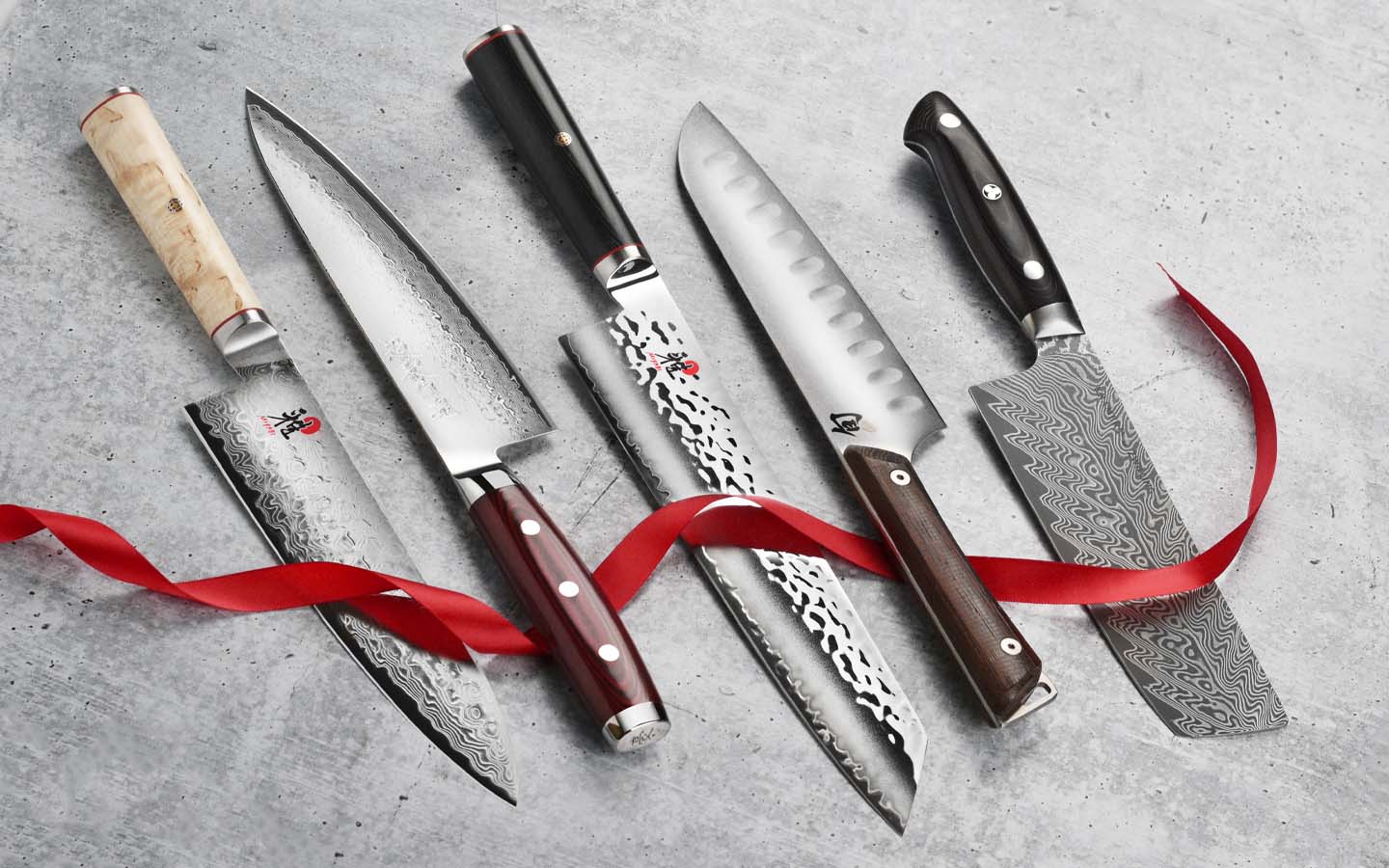
The Essential Blades: What’s Inside a Professional Knife Set?
A comprehensive professional knife set isn’t just a random assortment; it’s a carefully curated collection where each knife plays a crucial, specialized role.
- Chef’s Knife: This is the undisputed MVP of any kitchen, a true workhorse. With its broad, slightly curved blade, the chef’s knife excels at chopping, slicing, dicing, and mincing nearly anything, making it the go-to for most culinary tasks.
- Paring Knife: Small yet mighty, the paring knife is your best friend for intricate tasks. It’s perfect for peeling fruits and vegetables, deveining shrimp, or creating delicate garnishes that require precision.
- Bread Knife: Distinguished by its serrated edge, this knife glides through crusty loaves without crushing the soft interior. It’s also fantastic for slicing delicate items like tomatoes or citrus fruits with ease.
- Utility Knife: Think of this as the versatile middle child. It handles tasks too large for a paring knife but too small for a chef’s knife, making it ideal for slicing sandwiches, smaller fruits, and vegetables.
- Santoku Knife: The Japanese counterpart to the chef’s knife, the Santoku (meaning “three virtues” – slicing, dicing, and mincing) often features a straighter edge. It’s particularly adept at precise downward chopping motions, especially for vegetables and thin slices of fish.
- Boning Knife: Flexible yet sturdy, a boning knife is specifically designed for removing meat from bones and trimming fat. Its maneuverability allows for precise cuts around bone structures, minimizing waste.
- Fillet Knife: With its thin, flexible blade, the fillet knife is indispensable for preparing fish. It allows you to glide cleanly through fish flesh for perfect fillets and is also useful for skinning or removing silver skin from tenderloins.
- Butcher Knife: This heavyweight is built for heavy-duty tasks, tackling large cuts of meat and even bones with power and precision.
Beyond these core blades, many professional knife sets also include steak knives for dining, robust kitchen shears, and a honing steel to maintain blade alignment.
Crafting Excellence: Materials and Construction of Professional Knives
The soul of a professional knife set lies in its materials and construction. The right choices here determine a knife’s sharpness, durability, and overall feel.
Blade Materials: The Cutting Edge of Innovation
- High-Carbon Stainless Steel: This is often considered the gold standard for premium knife sets. Materials like X50CrMoV15 German stainless steel offer an excellent balance of exceptional sharpness, superior rust resistance, and impressive edge retention. This means your knives stay sharp longer and resist the elements of a busy kitchen.
- Damascus Steel: Renowned for its distinctive wavy patterns and exceptional strength, Damascus steel blades are not only beautiful but also incredibly durable.
- Carbon Steel: While requiring more maintenance to prevent rust, carbon steel knives are prized by some chefs for their ability to achieve and hold an incredibly sharp edge.
- Ceramic and Titanium: These materials offer unique advantages, with ceramic being exceptionally sharp and lightweight, and titanium boasting excellent corrosion resistance and strength.
Handle Materials: A Comfortable Grip on Excellence
A knife’s handle is its handshake – it needs to be comfortable, secure, and non-slip.
- Wood: Classic and sturdy, wooden handles offer a traditional aesthetic but often require more maintenance.
- Plastic and Composite: Materials like ABS polymer, Pakkawood (wood and resin composite), or G10 (fiber-resin composite) are durable, easy to clean, and highly resistant to heat, cold, and moisture, making them practical for professional environments.
- Stainless Steel: Provides a sleek, modern look and excellent hygiene.
Regardless of material, ergonomic design is paramount. A well-designed handle reduces fatigue and provides a secure grip, even when hands are wet, significantly improving safety and efficiency.
Construction: Forged for Superiority
When it comes to construction, forged blades are generally preferred over stamped blades for their superior durability and overall performance. Forged knives are crafted from a single piece of steel, heated, and hammered into shape, resulting in a stronger, more balanced blade.
Choosing Your Perfect Professional Knife Set: A Buyer’s Guide
Selecting the right professional knife set can feel overwhelming, but by focusing on a few key considerations, you can find the perfect match for your culinary journey.
Understanding Your Needs
First, consider your cooking style and how often you cook. Are you a home cook looking to upgrade, or an aspiring professional? A basic starter set with a chef’s, paring, and bread knife is an excellent foundation. As your skills evolve, you might expand to include specialty knives like a Santoku or boning knife.
Ergonomics: Handle Comfort and Balance
“Hold the knife at its handle and see if it feels natural and balanced,” advises Chef Antoine Dubois, a renowned culinary instructor. A well-balanced knife feels like an extension of your hand, allowing for effortless control and reducing wrist fatigue during extended use. Test the grip; it should feel secure and comfortable, even when your hands are wet.
Edge Retention and Sharpness
A sharp knife isn’t just more efficient; it’s safer. Look for knives known for exceptional edge retention, meaning they hold their sharpness longer. The cutting edge angle, typically around 26 degrees for German steel, contributes significantly to clean, precise cuts.
Storage Solutions
Proper storage is crucial for protecting your blades and keeping them accessible.
- Knife Blocks: Classic and protective, wooden blocks with angled slots keep knives organized and safe. Some modern blocks even feature self-sharpening capabilities.
- Magnetic Strips: These save counter space and allow for quick, easy access, displaying your knives stylishly.
- Knife Rolls/Bags: Ideal for chefs on the go or for compact storage when counter space is limited.
Brand Reputation and Warranty
Investing in a professional knife set from a reputable brand often comes with the assurance of quality and a lifetime guarantee, protecting your investment for years to come. Brands like Wüsthof, Zwilling J.A. Henckels, Messermeister, and Dalstrong are frequently recommended by professionals.
Mastering Your Blades: Basic Knife Skills and Handling
Even the finest professional knife set won’t perform its best without proper technique.
The Pinch Grip
This fundamental grip offers the most control. Hold the knife with your dominant hand, pinching the blade between your thumb and forefinger just in front of the bolster (the thick collar between the blade and handle). Wrap your remaining fingers around the handle. This grip allows you to guide the blade with precision and power.
Using a Cutting Board
Always use a cutting board that provides some “give” to protect your knife’s edge. Wood (especially end-grain) and high-grade plastic boards are ideal, as they absorb impact and keep blades sharper longer. “Never, ever use glass or marble boards,” warns Chef Dubois. “They’ll dull your precious blades in no time!”
Basic Cuts
A professional set empowers you to master various cuts:
- Chopping: A vigorous up-and-down motion for roughly uniform pieces.
- Slicing: Smooth, sweeping motions for thin, even pieces.
- Dicing: Precise, uniform cube cuts.
- Mincing: Extremely fine chopping, often for aromatics like garlic or herbs.
Keeping Them Pristine: Maintenance and Care Tips for Your Professional Knife Set
A well-maintained professional knife set is a happy knife set, and a happy knife set makes for a happy cook. These care tips are vital for ensuring your blades stay razor-sharp and last a lifetime.
Immediate Hand Washing and Drying
“The golden rule of knife care is simple: hand wash immediately after use,” emphasizes culinary expert Sarah Chen. Use warm, soapy water and a soft cloth to clean your knives, then dry them thoroughly with an absorbent towel. Never put your professional knives in the dishwasher. The harsh detergents, high heat, and jostling can damage the blade, dull the edge, and corrode the materials.
Regular Honing
Think of honing as your knife’s daily stretch, not a sharpening session. Using a honing rod regularly – ideally before each use or every two to three uses – realigns the microscopic bends in the blade’s edge that occur during cutting. This maintains sharpness and extends the time between full sharpenings.
Timely Sharpening
While honing realigns, sharpening actually removes a tiny amount of steel to create a new, keen edge. When your knives no longer glide through food effortlessly, even after honing, it’s time to sharpen them. This can be done with whetstones for a precise, customized edge or by professional sharpening services, which are recommended at least once a year.
Safe Storage Practices
Always store your knives properly to protect their edges and ensure safety. Knife blocks, magnetic strips, or individual blade guards/sheaths are excellent options. Avoid tossing knives into a drawer where they can clang against other utensils, potentially dulling or damaging the blades.
Special Care for Carbon Steel
If your professional knife set includes carbon steel blades, they require a bit more attention. Carbon steel is reactive to acids and moisture, so rinse and dry your blade immediately after cutting acidic foods like tomatoes or citrus. Periodically oiling the blade with a food-safe mineral oil or camellia oil will help prevent rust and encourage a beautiful, even patina.
The Investment: Why a Quality Professional Knife Set is Worth It
Investing in a premium professional knife set might seem like a splurge, but the benefits far outweigh the initial cost.
- Enhanced Safety and Efficiency: A sharp knife requires less force, reducing the risk of slips and accidents. Precision tools also make prep work faster and more enjoyable.
- Elevated Culinary Experience: Imagine effortlessly slicing through a ripe tomato or mincing herbs with surgical precision. A quality set transforms frustrating tasks into satisfying ones, inspiring greater creativity in the kitchen.
- Longevity and Durability: Built from superior materials and craftsmanship, professional knives are designed to last a lifetime, often backed by robust warranties. This means you won’t need frequent replacements, making it a sustainable choice.
As Chef Dubois often says, “Your knives are your partners in the kitchen. Treat them with respect, and they will serve you faithfully for years to come, turning every meal into a masterpiece.”
Frequently Asked Questions (FAQ)
What’s the difference between German and Japanese knives in a professional knife set?
German knives typically feature a heavier, thicker blade with a curved profile, ideal for a “rocking” chop. Japanese knives, like a Santoku, tend to be lighter, thinner, and have a straighter edge, excelling in precise, push-cutting motions and delicate slicing. The steel composition also differs, with Japanese steels often being harder for a sharper, more delicate edge, while German steels prioritize toughness and durability.
How often should I sharpen my professional knives?
The frequency depends on usage. For home cooks, sharpening a few times a year is usually sufficient, combined with regular honing. Professional chefs using their knives daily might hone before each use and sharpen more frequently. Always sharpen when you notice a significant decrease in cutting performance.
Can I put my professional knives in the dishwasher?
No, absolutely not. Dishwashers can damage knife blades and handles due to high heat, harsh detergents, and physical jostling. Always hand wash your professional knives with warm, soapy water and dry them immediately.
What are the three essential knives every cook needs in their set?
For a solid foundation, every cook should have a high-quality chef’s knife for versatile chopping, a paring knife for detailed tasks, and a serrated bread knife for slicing crusty items. These three cover most common kitchen needs.
What kind of cutting board is best for professional knives?
Wooden cutting boards (especially end-grain) or high-grade plastic boards are best. They provide a softer surface that’s gentler on knife edges, helping to maintain sharpness. Avoid glass, marble, or ceramic boards, as these hard surfaces will dull your knives quickly.
Conclusion
A professional knife set is more than just a collection of tools; it’s the foundation of an exceptional culinary experience. By understanding the essential knives, appreciating the craftsmanship behind quality materials, and committing to proper care, you unlock a world of precision, efficiency, and safety in your kitchen. Invest wisely, care diligently, and let your professional knife set empower you to chop, slice, and create with the confidence of a true culinary artist. Embrace the journey, experiment with new techniques, and share your passion for food – all made possible by the dependable edge of a well-chosen and well-loved professional knife set.
|
Our Picks for the Best Chefs Knife in 2026
As an Amazon Associate I earn from qualifying purchases.
|
||
| Num | Product | Action |
|---|---|---|
| 1 | MOSFiATA 8\" Super Sharp Professional Chef\'s Knife with Finger Guard and Knife Sharpener, German High Carbon Stainless Steel EN1.4116 with Micarta Handle and Gift Box |

|
| 2 | imarku Japanese Chef Knife - Sharp Kitchen Knife 8 Inch Chef\'s Knives HC Steel Paring Knife, Unique Gifts for Men and Women, Gifts for Mom or Dad, Kitchen Gadgets with Gift Box, Gyutou Knives |
|
| 3 | Matsato Chef Knife - Perfect Kitchen Knive for Cooking, Chopping. Japanese Steel Knife for Home, BBQ. For Balance & Control, 6.3 Inch |
|
| 4 | Mercer Culinary M22608 Millennia Black Handle, 8-Inch, Chef\'s Knife |
|
| 5 | HOSHANHO Kitchen Knife in Japanese High Carbon Steel, Professional High-Class Chef\'s Knife 8 inch, Non-slip Ultra Sharp Cooking Knives with Ergonomic Handle |
|
| 6 | HENCKELS Classic Razor-Sharp 8-inch Slicing Knife, German Engineered Informed by 100+ Years of Mastery, Stainless Steel |
|
| 7 | HOSHANHO 7 Inch Nakiri Knife, Japanese High Carbon Stainless Steel Chef Knife, Multipurpose Meat Vegetable Sharp Kitchen Knife with Ergonomic Pakkawood Handle |
|
| 8 | PAUDIN Chef Knife, 8 Inch High Carbon Stainless Steel Sharp Kitchen Knife with Ergonomic Handle, Gift Box for Family & Restaurant |
|
| 9 | Shun Premier 8\" Chef\'s Knife, Handcrafted Japanese Kitchen Knife for Professional and Home Chefs, VG-MAX Core with Damascus Stainless Steel Cladding, Pakkawood Handle |
|
| 10 | Victorinox Swiss Army 5.2063.20-X14 Fibrox Chef\'s Knife Black 8 in |
|